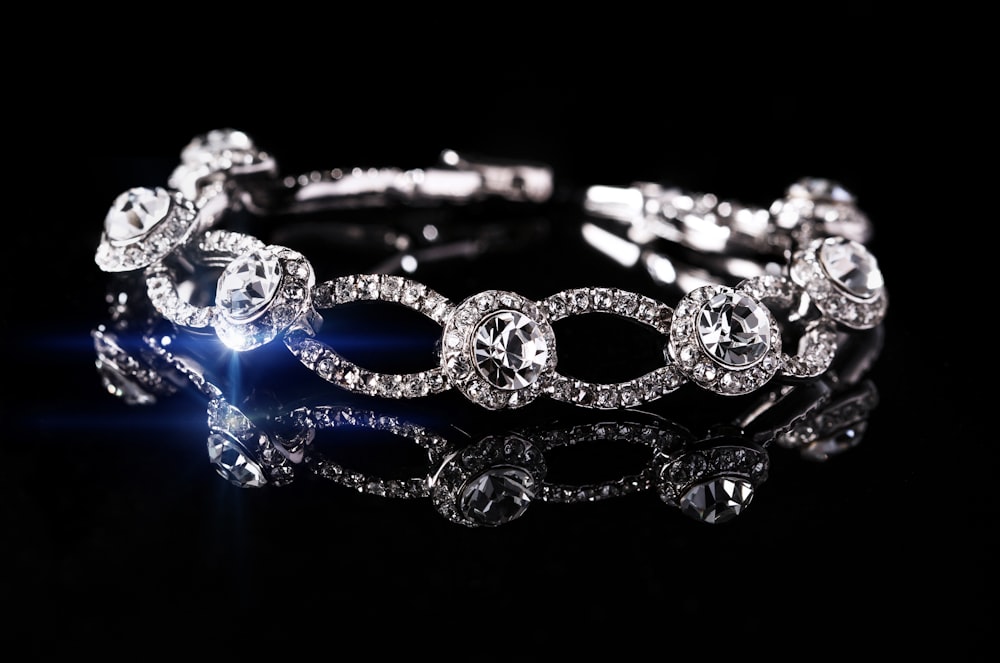
Navigating the Jewelry Buying Process
Purchasing fine jewelry involves navigating a highly technical, inherently opaque industry designed to maximize retail margins. When we evaluate the buying process, we focus on establishing clear frameworks for quality verification, pricing transparency, and consumer protection. A successful purchase requires moving beyond aesthetic appreciation and adopting a highly analytical approach to material sciences, market valuations, and technical specifications.
Gift-Giving and Sizing Logistics
Gifting jewelry presents significant logistical challenges, primarily regarding sizing and structural compatibility. We analyze the complexities of ring sizing, noting that different shank widths fit differently, and that materials like tungsten or titanium cannot be resized at all. We guide buyers on how to covertly determine sizes and when to opt for universally sized categories, such as pendants or earrings, to mitigate the risk of purchasing an unwearable piece.
Identifying Scams and Verifying Authenticity
The secondary market is rife with counterfeits, undisclosed treatments, and misleading hallmarks. We establish strict protocols for verification. This includes understanding how to read independent gemological certificates (GIA, IGI), verifying hallmark stamps against physical metal testing, and recognizing common retail tricks, such as aggressive lighting designed to mask a diamond's true color. We mandate that any significant purchase must include a clearly defined return policy and an independent appraisal.
Maintenance and Repair Viability
A piece of jewelry is only as valuable as its ability to be maintained. We instruct buyers to evaluate the repairability of a piece before purchase. Pieces with hidden prongs, tension settings, or delicate enamel work require highly specialized, expensive repair processes. We emphasize assessing prong thickness, clasp functionality, and the availability of replacement components, ensuring the piece can endure decades of wear without requiring complete reconstruction.

