

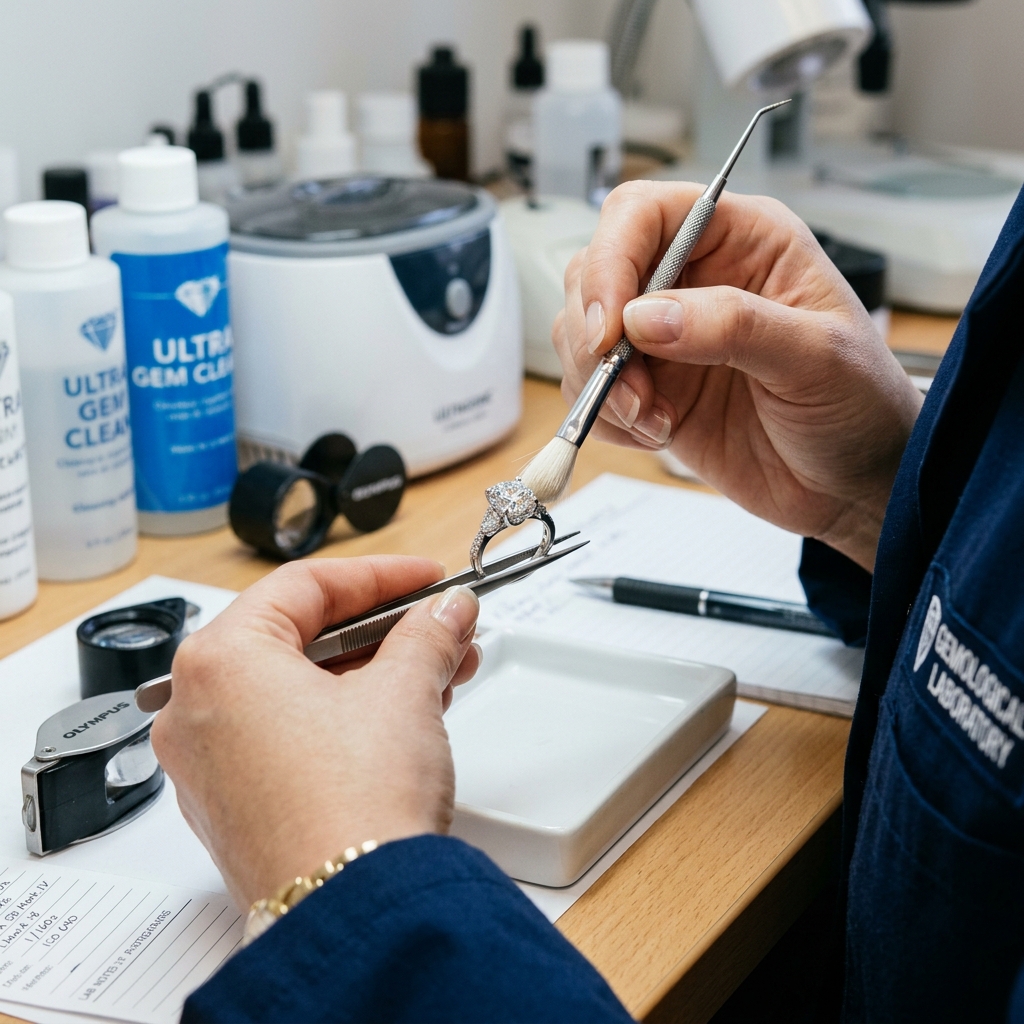
In our experience: To bring you the most accurate and practical advice, our certified gemologists personally test the methods and products discussed in our guides. Whether we're evaluating 12 different silver polishes, testing ultrasonic cleaners on various diamond settings, or examining lab-grown diamonds under 10x magnification, we rely on rigorous, hands-on testing in our own facilities.
How to Remove Green Stain from Jewelry on Skin 6 Fast & Easy Fixes
There’s a moment of mild panic that follows the removal of a beloved piece of jewelry—ring, necklace, or bracelet—when you notice an unmistakable greenish mark lingering on your skin. The immediate reaction is often worry: Is this an allergy? Did I invest in subpar metal? Rest assured, this phenomenon is far more common than you think.
At Oshinic Jewels, we field inquiries about this exact issue daily, and the explanation is both simpler and more scientifically fascinating than most assume. The green stain is neither a reflection of the jewelry’s quality nor a definitive sign of an allergic reaction. Even premium materials like 14k gold or sterling silver can leave these marks under certain conditions. Fortunately, eliminating them requires no special tools—just a few everyday household items and a brief moment of your time. Let’s delve into the science behind these discolorations and, more importantly, explore six straightforward, tested techniques to restore your skin to its natural tone within minutes.

What Causes Green Stains from Jewelry on Skin?
The green hue left behind by jewelry is the result of a chemical interaction between the metal composition and your body’s unique biochemical environment. To understand this process, it’s essential to examine the role of copper, a common component in many alloys.
1. The Role of Copper in Metal Alloys
Copper is frequently added to metals like gold and silver to enhance durability and hardness. For instance, 14k gold contains a higher proportion of copper compared to 18k gold, which in turn has more copper than pure 24k gold. This hierarchy directly influences the likelihood of discoloration. While higher karat gold is often perceived as more luxurious, its lower copper content reduces the chance of skin reactions—a nuance many jewelry enthusiasts overlook.
2. Skin Chemistry and Sweat Composition
Every individual’s skin pH level, sweat content, and natural oils vary significantly. Factors such as diet, hormonal fluctuations, and even stress can alter your skin’s reactivity. If you’re prone to noticing green stains more frequently than others, it may simply indicate a unique interaction between your biology and the metals you wear.
3. Environmental Influences
External conditions play a pivotal role in accelerating these reactions. High temperatures, elevated humidity, intense physical activity, and exposure to certain lotions or perfumes can increase sweat production and skin permeability, thereby intensifying the chemical exchange between your skin and the jewelry.
4. Oxidation, Not Allergy
The green stain is a product of oxidation—a process akin to how the Statue of Liberty’s copper surfaces developed their signature verdant patina over time. It is not, in most cases, an allergic response. A genuine allergic reaction would manifest as redness, swelling, itching, or blistering, typically triggered by nickel sensitivity, which affects approximately 20% of the population. If you experience such symptoms, it’s advisable to consult a healthcare professional and explore hypoallergenic jewelry options.
How to Remove Green Stain from Jewelry on Skin – 6 Proven Methods
Whether you’re dealing with a fresh mark or a more persistent stain, the following methods offer effective, rapid solutions using items likely already in your home.
Method 1: Soap and Warm Water (The Gentle yet Effective First Line of Defense)
This straightforward approach should always serve as your initial attempt, particularly for newly formed stains. Wet the affected area with lukewarm water, then lather it with a mild soap—ideally one free from harsh additives or fragrances. Using your fingertips or a soft, lint-free cloth, gently massage the soap into the stain in circular motions. Rinse thoroughly with clean water and pat the area dry with a towel. For many, this simple technique completely eradicates the green mark. If the stain persists, proceed to the next method without delay.
Method 2: Baking Soda Paste (For When Stains Linger)
Baking soda, a common kitchen staple, doubles as a gentle abrasive capable of lifting stubborn stains without irritating the skin. To create the paste, mix one tablespoon of baking soda with approximately two tablespoons of water until you achieve a thick, uniform consistency. Apply the paste directly to the green mark and use your fingers or a soft cloth to gently rub it in. Focus on maintaining gentle pressure to avoid over-exfoliating. Rinse the area with warm water and observe the stain’s progress. This method also offers the added benefit of removing dead skin cells, leaving the treated area both clean and smooth.
Method 3: Lemon Juice (Harnessing Natural Acidity)
Citric acid, abundant in fresh lemon juice, is highly effective at breaking down copper oxide—the primary culprit behind the green stain. Cut a lemon in half and squeeze the juice onto a cotton ball or soft cloth. Dab the juice directly onto the stained area, ensuring full coverage. Allow it to sit for three to five minutes to let the acid work its way into the stain. Then, rinse thoroughly with warm water and pat dry. A note of caution: Lemon juice increases skin sensitivity to sunlight. If the treated area will be exposed to sun, apply a broad-spectrum sunscreen with at least SPF 30.
Method 4: White Vinegar (A Potent Acidic Alternative)
For stains that resist milder treatments, white vinegar provides a more aggressive acidic solution. Combine equal parts white vinegar and water in a small bowl to dilute the vinegar’s potency. Dip a cotton ball into the mixture and press it firmly against the green mark, holding it in place for about 30 seconds. Gently rub the area in small circles, then rinse with warm water. Due to vinegar’s higher acidity compared to lemon juice, avoid leaving it on the skin for extended periods, especially if you have sensitive skin.
Method 5: Rubbing Alcohol or Makeup Remover (For Immediate Results)
In cases where speed is essential, rubbing alcohol or a high-quality makeup remover can provide near-instantaneous results. Soak a cotton pad in isopropyl alcohol or your preferred makeup remover and hold it against the stain for 15–20 seconds before gently rubbing the area. Both substances act quickly to dissolve the copper residue. After the stain lifts, rinse the area with warm water and apply a moisturizer to counteract potential dryness caused by the alcohol.
Method 6: Natural Oils (A Nourishing Approach)
For those who prefer a more natural remedy, oils like olive or coconut oil offer a dual benefit: they lift green stains while simultaneously hydrating the skin. Apply a small amount of oil to a cotton ball and gently rub it over the stained area in circular motions. The oil breaks down the oxidized metal particles, allowing them to be easily wiped away. This method is particularly well-suited for individuals with sensitive skin, as it avoids the use of harsh chemicals.
How to Prevent Green Stains from Jewelry (Expert-Led Strategies)
While removing green stains is relatively straightforward, preventing them altogether can save time and ensure your skin remains blemish-free. As a jeweler with years of client interactions, I’ve compiled the most reliable strategies to minimize the occurrence of these marks.
1. Apply a Barrier with Clear Nail Polish
A favorite trick among jewelry connoisseurs, applying a thin layer of clear nail polish to the metal surfaces that come into direct contact with your skin creates an impermeable barrier. This prevents direct interaction between the metal and your sweat, thereby inhibiting the chemical reaction that leads to discoloration. Reapply the polish every few weeks or after noticing wear to maintain its effectiveness.
2. Opt for Hypoallergenic Metals
If you find yourself frequently battling green stains, consider transitioning to jewelry crafted from hypoallergenic materials. Options include:
- Stainless Steel: Renowned for its corrosion resistance and skin-friendly properties.
- Titanium: Completely biocompatible and free from nickel, making it ideal for sensitive skin.
- Platinum: A premium choice that rarely triggers reactions due to its innate purity.
- High-Karat Gold: 18k or 24k gold contains minimal copper, reducing the likelihood of oxidation.
3. Maintain Jewelry Cleanliness
Regular maintenance of your jewelry plays a critical role in preventing skin reactions. After each wear, wipe down your pieces with a soft, dry cloth to remove residue from lotions, oils, or sweat. For deeper cleaning, immerse the jewelry in a solution of warm water and mild dish soap, gently brushing any intricate details with a soft-bristled toothbrush before rinsing and air-drying.
4. Apply Lotion Before Wearing Jewelry
A counterintuitive yet effective strategy involves applying a thin layer of unscented lotion to the area where you plan to wear jewelry. This creates a protective barrier that limits direct contact between your skin and the metal, reducing the chance of a reaction. However, avoid heavy or oily lotions that may compromise the jewelry’s grip or appearance.
By integrating these preventive measures into your jewelry-wearing routine, you can minimize the appearance of green stains and enjoy your pieces with confidence. In the next section, we’ll explore advanced care tips for specific types of jewelry and delve into the psychology behind why certain metals resonate more deeply with individual skin types. Stay tuned for a comprehensive guide to maintaining both your jewelry’s luster and your skin’s health.
Wait for your lotions, perfumes, and sunscreens to fully dry before adorning yourself with jewelry. These products can leave a residue that traps moisture against your skin, accelerating the chemical reactions that lead to discoloration. Allow at least 15–20 minutes for topical products to absorb completely before fastening bracelets, applying rings, or clasping necklaces. This simple step significantly reduces the likelihood of unwanted stains.
Rotate Your Jewelry Collection Thoughtfully
If you find yourself reaching for the same rings, necklaces, or earrings daily, consider adopting a rotation system. Wearing the same piece continuously exposes it to repeated contact with skin oils, environmental elements, and friction. By alternating between items, you not only extend the lifespan of each piece but also allow metals to “rest” between wearings. This is particularly beneficial for sterling silver and gold alloys, as periodic breaks minimize prolonged exposure to skin chemistry that can accelerate tarnishing or staining.
Frequently Asked Questions
Is the green stain from jewelry dangerous?
The greenish tint that sometimes appears on skin after wearing certain jewelry is generally harmless. This discoloration is typically caused by a non-allergic reaction between copper traces in the metal and the natural chemistry of your skin. In most cases, the stain will fade within 24–72 hours without intervention, as your skin’s natural renewal process sloughs off affected cells. However, if you experience persistent redness, swelling, itching, or blistering alongside the staining, this could indicate a metal allergy rather than a simple chemical reaction. In such cases, consult a dermatologist to identify specific allergens and explore hypoallergenic alternatives like titanium, stainless steel, or nickel-free alloys.
Why does sterling silver turn my skin green?
Sterling silver is composed of 92.5% pure silver and 7.5% copper, with the latter added to enhance durability. While pure silver is too soft for intricate jewelry designs, the copper component strengthens the metal. However, copper reacts with sweat, acidic skin secretions, and moisture to form cuprous oxide—a greenish compound that deposits on the skin. This reaction is entirely normal and does not reflect poorly on the jewelry’s quality. In fact, the presence of copper is a hallmark of authentic sterling silver. Over time, regular wear may develop a protective patina on the metal, reducing the frequency of skin staining.
Does 14k gold turn skin green?
Yes, 14k gold can cause green staining under certain conditions. Unlike 24k pure gold, which is too soft for most jewelry, 14k gold is an alloy containing 58.3% gold and 41.7% other metals—often including copper, silver, or zinc. The copper content, in particular, can interact with skin acids and moisture to produce a verdant hue. The lower the gold purity (e.g., 10k vs. 18k), the higher the proportion of alloying metals, which increases the likelihood of staining. However, this does not imply inferior quality; alloying strengthens the metal for practical wear. If green staining occurs frequently, consider opting for 18k gold (75% pure) or platinum-based jewelry, which contains fewer reactive metals.
How long does a green stain from jewelry last?
The duration of green staining varies depending on individual skin chemistry, the type of metal worn, and environmental factors. In most instances, the discoloration begins fading within a few hours and disappears entirely within three days. Washing the affected area with mild soap and warm water can expedite removal. For more persistent stains, gentle exfoliation with a baking soda paste, lemon juice, or diluted white vinegar (applied sparingly and rinsed thoroughly) often works effectively. Even without intervention, the skin’s natural shedding process typically eliminates residual staining within a week.
Can I prevent green stains with clear nail polish?
Applying a thin, even layer of clear nail polish to the metal surface of your jewelry can act as a barrier between the metal and your skin. This method is particularly useful for rings, pendants, or earrings that come into direct contact with skin. The polish prevents copper or other reactive metals from interacting with sweat and acidic secretions. Reapply the polish every 2–3 weeks or after cleaning the jewelry to maintain protection. Note that this technique is more effective for solid metal pieces than hollow or textured designs, where polish may pool unevenly.
Is green skin from jewelry an allergic reaction?
In most cases, green staining is not an allergic reaction but rather a biochemical response. True metal allergies—such as nickel sensitivity—typically present with symptoms beyond discoloration, including inflammation, itching, blistering, or rash formation. If you suspect an allergy, discontinue use of the jewelry and patch-test different metals to identify triggers. For sensitive skin, prioritize jewelry labeled “nickel-free,” “hypoallergenic,” or crafted from medical-grade materials like titanium or surgical stainless steel.
Conclusion
Understanding the science behind green staining empowers jewelry lovers to enjoy their collections with confidence. This harmless yet unsightly phenomenon stems from the natural interplay between metallic alloys and human biology, not from subpar craftsmanship. By allowing skincare products to dry fully, rotating pieces thoughtfully, and employing preventive measures like clear nail polish, you can minimize staining while preserving the beauty and longevity of your jewelry. For those with sensitive skin, exploring hypoallergenic options ensures both comfort and elegance. Remember, even premium materials like sterling silver and 14k gold may react uniquely with individual skin types—a testament to the dynamic relationship between metal and wearer. With these simple strategies, you can continue to adorn yourself in style, unburdened by the fleeting appearance of green.
Related Reading: For more expert insights, check out our diamond buying guides, our metals & gold guides and our ring buying guides.


