Analyzing Industry Trends and Mechanics
The jewelry industry operates on deep historical precedents, complex global supply chains, and evolving consumer psychology. When we analyze the market, we strip away the marketing narratives to examine the underlying mechanics of value creation, historical authenticity, and the true cost of production. Understanding these macro-level dynamics provides buyers with the context necessary to make informed, highly strategic purchasing decisions.
Antique vs. Vintage Verification
The antique and vintage markets offer incredible value, but they are fraught with misattribution and outright forgeries. We establish rigorous criteria for identifying true period pieces—from Georgian to Art Deco. We analyze specific manufacturing techniques, such as old European diamond cuts, hand-engraved milgrain, and the use of distinct alloys like platinum-iridium, which definitively date a piece. We educate buyers on how to spot modern cast reproductions masquerading as authentic handmade antiques.
Costume Jewelry and Alternative Materials
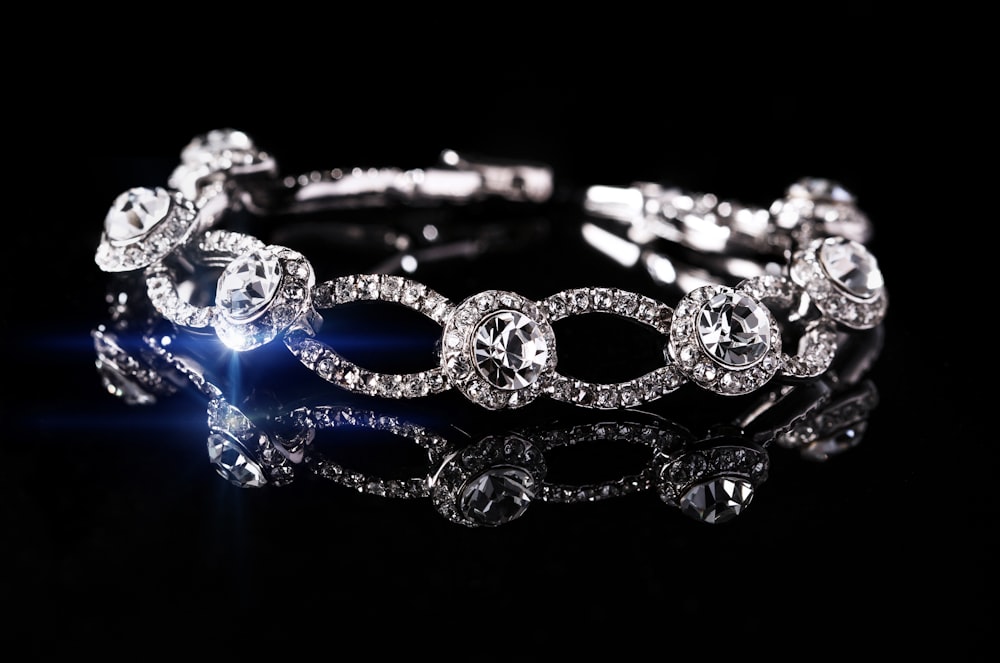
We do not dismiss costume jewelry, but we mandate a clear understanding of its intrinsic value. We analyze the market for high-end designer costume pieces, evaluating the durability of base metals, crystal foils, and resin components. Furthermore, we investigate alternative materials like wood, leather, and woven textiles in jewelry, assessing their longevity, maintenance requirements, and structural limitations compared to traditional precious metals.
Market Economics and Pricing Multiples
The retail markup on fine jewelry is famously high, often ranging from 100% to 300%. We dissect the supply chain, explaining the pricing mechanics of wholesale diamonds, raw metal spot prices, and the labor costs of bench jewelers. By understanding these components, buyers can identify true value, negotiating effectively and recognizing when a piece is severely overpriced based merely on brand positioning or retail location.


