Analyzing Jewelry Brand Architectures
The modern jewelry landscape is deeply segmented, ranging from heritage luxury houses to direct-to-consumer disruptors. When we evaluate jewelry brands, we strip away the marketing veneer to analyze manufacturing provenance, material quality, and pricing multiples. Heritage brands like Cartier and Van Cleef & Arpels command astronomical premiums—often 500% to 1000% above intrinsic material value. You are paying for historical pedigree, proprietary design patents, and elite retail experiences. We believe understanding these brand premiums is vital to deciding where to allocate your budget.
The Direct-to-Consumer Revolution
We closely monitor the impact of direct-to-consumer (DTC) brands like Mejuri, which have fundamentally altered market expectations. By bypassing traditional retail markups and utilizing lean supply chains, these brands offer 14k gold and vermeil at highly accessible price points. However, we analyze their offerings with a critical eye: while the prices are lower, the pieces often utilize hollow construction, lighter metal weights, and lower-clarity diamonds to maintain margins. We advise buyers to weigh the desire for modern, minimalist design against long-term structural durability when purchasing from fast-fashion fine jewelry brands.
Charm Bracelets and Modular Jewelry
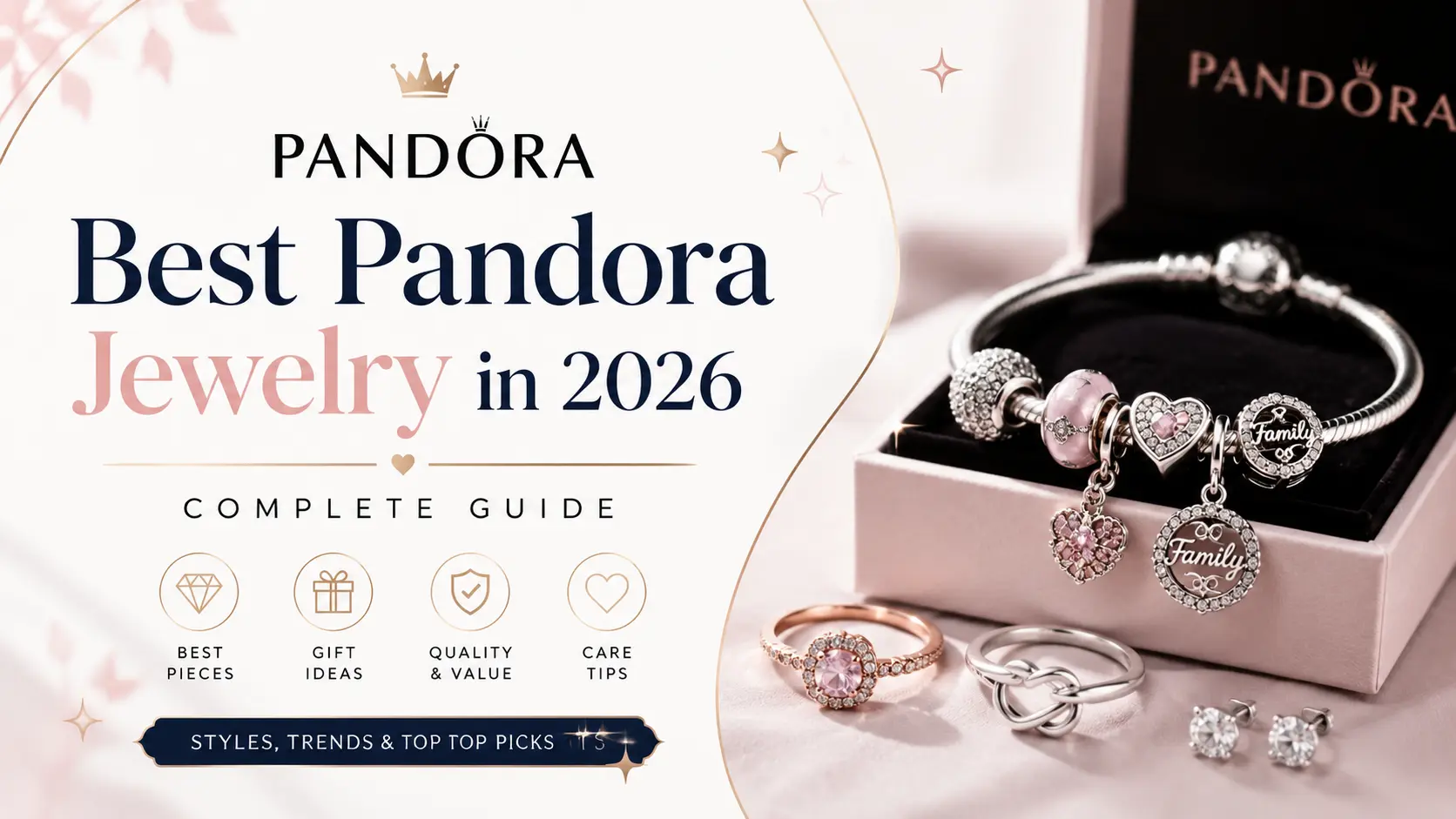
Brands like Pandora have built empires on modular, customizable jewelry. The brilliance of the charm bracelet model lies in recurring revenue; the initial bracelet purchase acts as an anchor for years of subsequent charm acquisitions. We evaluate the mechanics of these systems, assessing the durability of proprietary threading systems, the quality of the sterling silver alloys, and the execution of the enamel work. While highly sentimental, buyers must recognize that the cumulative cost of a fully loaded charm bracelet often equals or exceeds the price of a substantial piece of solid gold jewelry.
Evaluating Resale and Investment Value
We categorically reject the notion that all jewelry is an investment. The reality of the secondary market is harsh. Non-branded fine jewelry typically resells only for its scrap metal and wholesale gemstone value. Conversely, highly recognizable pieces from apex luxury brands—such as the Cartier Love Bracelet or the Van Cleef Alhambra—retain significant secondary market value, sometimes appreciating if supply is constrained. When reviewing brands, we emphasize that buying for investment requires purchasing iconic, authenticated designs from historically significant houses.