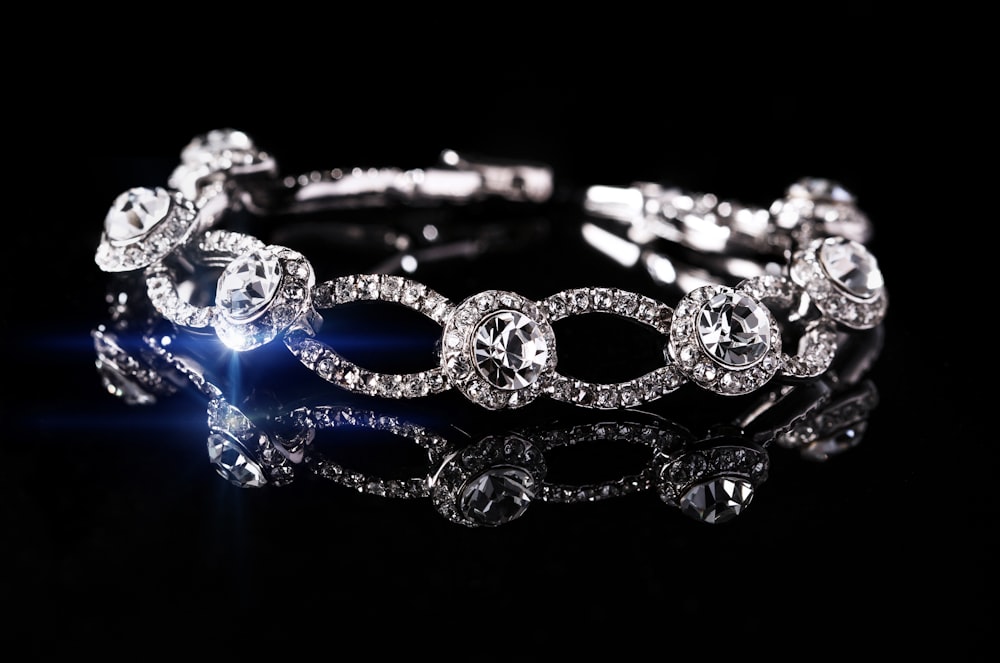
Decoding Silver Jewelry Quality
Silver offers unparalleled brilliance and a cool, modern aesthetic, but navigating the silver jewelry market requires understanding specific metallurgical standards. When we evaluate silver, we focus on the distinction between sterling, fine silver, and various base metal alternatives. Fine silver, graded at 99.9% purity, possesses a striking white luster but lacks the structural integrity necessary for functional jewelry. To solve this, metallurgists created the 925 standard, known globally as sterling silver, which combines 92.5% pure silver with 7.5% copper or other metals to achieve essential durability.
The 925 Hallmark and Purity
The 925 stamp serves as a critical indicator of quality, legally required in many jurisdictions to verify sterling silver composition. We emphasize that 925 is not a brand, but a quantifiable metric of metallic content. Buyers must remain vigilant, as unscrupulous sellers sometimes stamp 925 on silver-plated brass or copper pieces. Authentic sterling silver possesses specific physical properties: it is non-magnetic, produces a distinct bell-like chime when tapped, and typically oxidizes (tarnishes) when exposed to sulfur in the air. Comparing sterling silver to alternatives like stainless steel reveals stark differences. While stainless steel provides superior scratch resistance and completely avoids tarnish, it lacks the brilliant white reflectivity and historical prestige inherent to sterling silver.
Oxidation and Rhodium Plating
Tarnish remains the primary concern for silver buyers, but we view it as a manageable chemical reaction rather than a defect. When silver reacts with hydrogen sulfide, it forms a dark silver sulfide layer. Many modern jewelers combat this by plating sterling silver with rhodium, a platinum group metal. Rhodium plating prevents oxidation and adds a darker, more reflective finish, though it prevents the natural development of patina. We also see deliberate oxidation used as a design technique, darkening recessed areas to enhance three-dimensional details in rings and pendants.
Evaluating Construction and Value
When purchasing silver, we advise looking beyond the metal weight. The craftsmanship, soldering quality, and clasp mechanisms dictate the piece's longevity. Since silver is relatively inexpensive compared to gold, you are primarily paying for design execution and brand reputation. Be wary of hollow silver pieces, as silver's softness makes them highly susceptible to crushing. Our detailed guides explore these nuances, ensuring you can differentiate between high-quality heirloom silver and disposable fashion jewelry masquerading under false hallmarks.

