Introduction to the world of emeralds
i used to think emeralds were just green diamonds : Same hardness, same toughness, same everything, just a different color. But that all changed when i saw my best friend's $4,000 emerald engagement ring chip just two weeks after she got it. She was super careful with it, too: Didn't wear it to the gym, took it off before washing dishes, the whole nine yards. And still, a tiny little nick appeared right on the corner of the stone, catching the light just wrong.
That's when i started digging into the real story behind these gorgeous green beauties. What i found surprised me : And honestly, it kinda annoyed me too. Nobody tells you this stuff when you're standing at the jewelry counter with your credit card out. So, here's the deal: I'm gonna tell you everything i wish someone had told me before i bought my first emerald piece. The good, the bad, the ugly : And the stuff that'll make you wonder why they don't warn people about it.
What makes an emerald an emerald
emeralds are a type of mineral called beryl : Same family as aquamarine and morganite. But here's the interesting part: For an emerald to actually be called an emerald (and not just "green beryl"), it needs to have that specific rich green color from chromium and sometimes vanadium. If it's too light, sorry : It's green beryl, not an emerald. Jewelers get real particular about this distinction because the name matters for pricing. The color range runs from bluish: Green all the way to yellowish: Green, but the sweet spot : The one that makes jewelers and collectors go weak in the knees : Is that vivid, pure green with just the slightest hint of blue. They call this "vivid green" or "intense green" in the trade : Not as romantic sounding as some other gemstone terms, but whatever.
One thing that's wild about emeralds is that almost every natural one has inclusions : And i mean almost every single one. The gemological term for these internal flaws is "jardin," which is french for garden. Sounds pretty, right? it's basically a fancy way of saying your stone is full of tiny cracks, crystals, and other impurities. Look: In emeralds, these inclusions aren't necessarily a bad thing. They're actually proof it's natural. If you see a perfectly clean emerald with zero inclusions, either it's synthetic or you're looking at a very expensive, very rare specimen.
The hardness myth
most jewelry stores will tell you emeralds are a 7.5 on the mohs hardness scale : That's pretty hard, right? diamonds are a 10, so 7.5 sounds decent. Look nobody explains: Hardness measures scratch resistance, not toughness. And toughness is about how well a stone handles impact without breaking or chipping. On that front, emeralds are frankly kinda fragile. Remember those inclusions i mentioned? they're basically tiny weaknesses running through the stone : Like microscopic fault lines.
You tap the right spot at the right angle, and poof : You've got a chipped corner or a crack running through the whole thing. I remember this one customer at the shop i used to work at part: Time. She came in crying because her emerald ring had a big crack right through the middle. She'd been wearing it daily for three years : And she was so careful. But one day, she just bumped her hand against a metal doorframe : Not even hard, she said : And that was it. The mohs scale doesn't prepare you for that reality. I've seen it time and time again: People think they're getting a tough stone, but really, they're getting a fragile one.
The treatment question
here's a statistic that'll blow your mind: Over 90% of emeralds on the market are treated with oil or resin. Some sources say 95%. I've even heard up to 99% from some jewelers. Why? because those inclusions make the stone look cloudy or fractured. So, miners and cutters fill those cracks with oil : Usually cedar oil because it matches the refractive index : To make the emerald look clearer and more vibrant. Is that bad? depends on who you ask. On one hand, it's standard industry practice : Has been for centuries.
Cleopatra was probably wearing oil: Treated emeralds, no kidding. On the other hand, it means the stone you bought for a few thousand dollars might lose its clarity over time. The oil can dry out, leach out, or get damaged by heat, chemicals, or even just ultrasonic cleaners. And then you're left with a stone that looks more like a murky green puddle than the vibrant gem you fell in Love with. I learned this the hard way : Had this gorgeous emerald pendant i wore constantly. Showered in it, yeah, i know, i'm an idiot. After about a year, it looked so dull and cloudy i thought i'd been sold a fake. Took it to a jeweler who explained the oil had basically washed out. A $200 re: Oiling treatment later, it looked good as new. But still : Would've been nice to know upfront.
Natural vs lab: Grown emeralds
lab: Grown emeralds : They're the elephant in the room. They're real emeralds, chemically and physically identical to natural ones. Same mineral composition, same hardness, same optical properties. The only difference is they're made in a lab instead of pulled out of the earth. I've seen this firsthand : And honestly, i'm a fan. Lab: Grown emeralds are a game: Changer.
They're more affordable, more sustainable, and just as beautiful as natural emeralds. Look: A lot of people don't know about lab: Grown emeralds. They don't know that they're an option, or that they're just as good as natural emeralds. And that's a shame : Because lab: Grown emeralds are the future of the gemstone industry. They're the way forward : And they're gonna change the way we think about emeralds forever. (and let's be real, they're going to make the traditional gemstone industry a little uncomfortable.) but that's a topic for another time. For now, let's just say that lab: Grown emeralds are something to consider : Especially if you're in the market for a new emerald piece.
The allure of natural gems vs. Lab: Grown options
i've got a thing for natural gems : There's something undeniably special about wearing a stone that's been millions of years in the making. (i mean, can you even wrap your head around that?) look: When you can get your hands on a lab: Grown emerald that's 100% inclusion: Free and costs a fraction of the price : We're talking 80 to 90% less : It's tough to justify shelling out five figures for the natural stuff unless you're absolutely dead set on it. For instance, a daily ring made from a natural emerald will likely bend out of shape in a week, whereas a lab: Grown emerald can withstand daily wear and tear.
The benefits of lab: Grown emeralds
lab: Grown emeralds have a few advantages over their natural counterparts. For one, they're tougher because they don't have all those natural inclusions that make natural emeralds so delicate : And that's a big deal, by the way. It means you can actually wear a lab: Grown emerald daily without constantly worrying you're gonna break it. I'm not saying natural emeralds are a ripoff or anything : They're rare, beautiful, and have history. But if you're on a budget or you want a durable emerald ring you can actually live in, lab: Grown is the way to go. Take my friend, for example, who's been wearing a lab: Grown emerald ring for years without any issues.
Evaluating emeralds like a pro
you know the diamond 4 cs : Cut, color, clarity, carat. Emeralds have a similar system, but the priorities are totally different. Let's break it down:
: Color: This is everything. Like, 50% of the value, maybe more. The best emeralds have a vivid, saturated green that's not too dark and not too light. Colombian emeralds are famous for that bright, almost electric green. Zambian emeralds are usually darker with a bluish tint : Both can be gorgeous, just different vibes. I personally lean toward the lighter, brighter colombian color, but that's just me. My mom, on the other hand, is all about those deep zambian greens. Different strokes, right?
: Clarity: This is where things get tricky
: Clarity: This is where things get tricky. In most gemstones, inclusions lower the value. In emeralds, inclusions are expected and accepted, up to a point. It's actually called "emerald clarity" grading because the standards are different than for diamonds. A heavily included emerald with decent color might be more valuable than a cleaner one with muddy green, because those inclusions are part of the character. But there's a limit. If the inclusions are surface: Reaching cracks or if they're visible to the naked eye and detract from the beauty, that's a problem.
: Cut: This matters a lot for emeralds because the cut affects how the color shows. The classic "emerald cut" was literally invented for this stone. That step: Cut style with the elongated rectangle and cropped corners? it was designed to show off the color while protecting those fragile corners. Other cuts exist, obviously : Cushion, oval, round, you name it. But i'll be honest : The emerald cut just looks right on this stone. It feels like they were made for each other.
: Carat: Price jumps exponentially with size for emeralds, even more than diamonds. A 1: Carat emerald might cost a few hundred to a couple thousand. A 3: Carat? we're talking tens of thousands for high: Quality stones. The jump is insane because large, clean emeralds are genuinely rare.
Daily wear considerations
real talk : Emeralds aren't daily wear stones unless you're super careful or you go lab: Grown. For a ring that you're gonna wear all the time, i'd think twice about a natural emerald. Between the hand washing, the lotion, the accidental bumps, and just life happening, the odds of damage are genuinely high. I've got a friend who's a Jewelry Expert, and she wears an emerald ring daily. But it's a bezel setting : Completely enclosed by metal : And she takes it off for literally everything even slightly risky. Yoga? off. Sleeping? off. Showering : Obviously off. It's a whole production. Earrings and pendants are safer because they don't get banged around like rings do. But even then, you gotta be smart about it.
A cautionary tale: Cleaning emeralds
i'll never forget the day i nearly destroyed my grandmother's emerald brooch. It was a gorgeous old art deco piece, probably 1930s. I was all excited to clean it up and make it sparkle. So i grabbed my ultrasonic jewelry cleaner that i use for everything else : Diamonds, sapphires, whatever : And popped it in. Ten minutes later i pulled it out and the stone looked like it had developed a film over it. Not just cloudy : Almost gray. I panicked. Turns out, ultrasonic cleaners are basically kryptonite for oil: Treated emeralds. The vibrations literally shake the oil right out of those tiny cracks, and you're left with a stone that looks nothing like it did before. Good rule of thumb? warm soapy water, soft toothbrush, gentle cleaning. That's all emeralds need. Maybe a microfiber cloth to dry. That's it. Don't get fancy with it.
Buying smart: What to ask and where to shop
alright, if you're gonna buy an emerald, here's what i'd do. First, always buy from a reputable dealer. I know that sounds obvious, but you'd be shocked how many "legitimate" jewelers sell treated, fractured emeralds as high: Quality. Second, ask about treatment upfront. If the salesperson hesitates or gives you a vague answer, walk. Seriously. Anyone selling you an emerald should be able to tell you exactly how it's been treated, what was used, and how durable that treatment is. I always ask: "is this oil: Treated, resin: Treated, or untreated?
" and "what's the stability of the treatment? " most reputable places will tell you. If they give you a blank look, that's a red flag the size of texas. Third, get a lab report. Not every emerald needs a gia report, but any stone over $500 should have some type of gemological certification. It'll tell you the origin (if known), whether it's been treated, and the grades for color, clarity, and cut. And please, for the Love of all that's sparkly, don't buy an emerald on a budget site like amazon or etsy without an ironclad return policy. I'm not saying you can't find good deals there : I've seen some : But the ratio of junk to quality is rough.
Frequently asked questions
can i wear an emerald ring every day? well, it's not recommended unless you're super careful or you opt for a lab: Grown emerald. Natural emeralds are delicate and require extra care to maintain their beauty and integrity. But if you're willing to take the necessary precautions, you can enjoy wearing your emerald ring daily. Just remember to handle it with care and avoid exposing it to harsh chemicals or extreme temperatures. And if you do decide to wear it daily, make sure you've a good understanding of how to clean and maintain it properly.
The verdict on emeralds
you can definitely wear a natural emerald, but i wouldn't recommend it : The risk of chipping or cracking is pretty real. Lab: Grown emeralds, on the other hand, are more durable, so daily wear is safer, but you should still be super careful about impact. (i mean, accidents can happen to anyone, right?)
Emeralds as engagement rings
so, are emeralds good for engagement rings? well, only if your partner is really careful and knows what they're getting into. It's become pretty popular : I'm looking at you, celebrity engagements : But the durability just isn't there for a daily wear ring unless you're okay with potential damage or replacement. That's just the truth. You're basically signing up for a high: Maintenance relationship with your ring.
What makes colombian emeralds special
what makes colombian emeralds special, you ask? the color: Colombian emeralds typically have that bright, vivid green with a slight blue tone that's considered the gold standard. It's not that other sources are bad : Just that colombia has produced the most consistently gorgeous stones historically. (i've seen some pretty stunning ones myself.) they're like the supermodels of the emerald world.
Alternatives to emeralds
what's the best alternative to an emerald, then? lab: Grown emeralds are a great option if you want the look with better durability and a lower cost. Or, if you want a really durable green stone that can handle daily wear, you could go for green sapphires or tsavorite garnets. Tsavorite is almost as green as emerald and way tougher : Like the difference between a fragile flower and a resilient weed.
Asking about treatments
is it rude to ask a jeweler if an emerald is treated? not at all : It's standard due diligence. If a jeweler gets defensive or annoyed, that's a good sign you should buy elsewhere. (you want someone who's transparent and honest, right?) it's like asking about a car's history : You wanna know what you're getting into.
Emerald cuts for other stones
what's the deal with emerald cuts for other stones, anyway? the emerald cut wasn't named because it's for emeralds only : It's just the name of a cut style that works brilliantly for many stones. They use it for diamonds too. The step: Cut facets and cropped corners were invented to protect emerald corners, but now it's popular for all sorts of gems. (it's like a fashion trend that remains classically popular.)
The bottom line
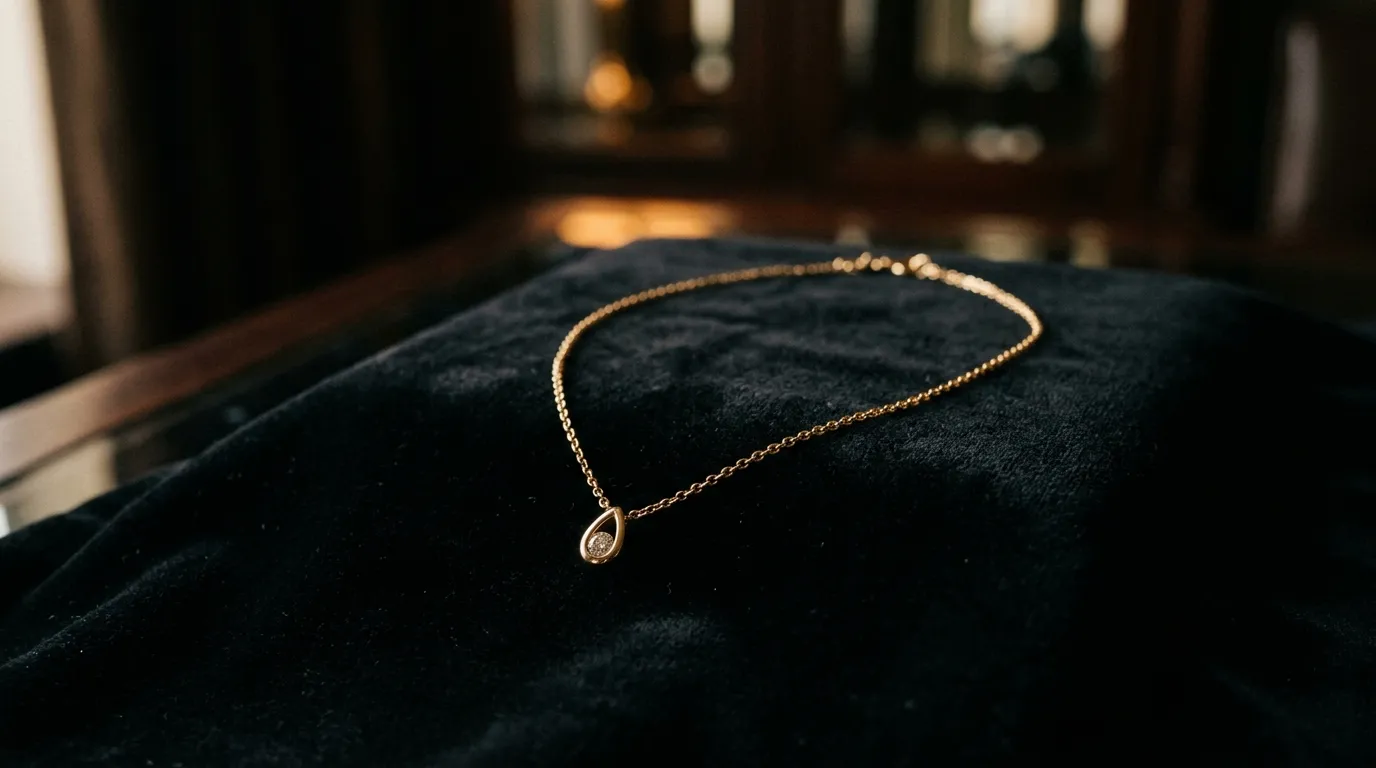
emeralds are incredible : That green is like nothing else in the jewelry world, deep, mysterious, almost alive. But they come with a cost, and i don't just mean the price tag. They demand care, attention, and a realistic understanding of their limits. If you're okay with that, go for it : Buy that emerald necklace, treat yourself to those earrings. Just know what you're getting into. If you want something you can wear without constantly thinking about it, maybe go lab: Grown or look at alternatives like green sapphire. No shame in that : Honestly, it might be smarter.
Final thoughts
when you get down to it, jewelry is about joy. If your emerald brings you joy, that's all that really matters. Just don't stick it in an ultrasonic cleaner : Or shower in it. Or bump it against doorframes. Or.. You know what? just be careful. That's all i'm saying. It's like having a precious pet : You need to take care of it, or it'll get hurt. So, go ahead, enjoy your emerald, but be respon
Sources & Methodology
This article was researched and written in accordance with the Oshinic Jewels Editorial Policy. Claims regarding gemstone quality, metal durability, pricing, sizing, and skin health were independently verified against the following authoritative industry standards:
- American Gem Society (AGS): Grading and terminology standards for colored gemstones. View Standards
- GIA Gem Encyclopedia: Geological origins, durability, and treatment information for colored stones. View Standards