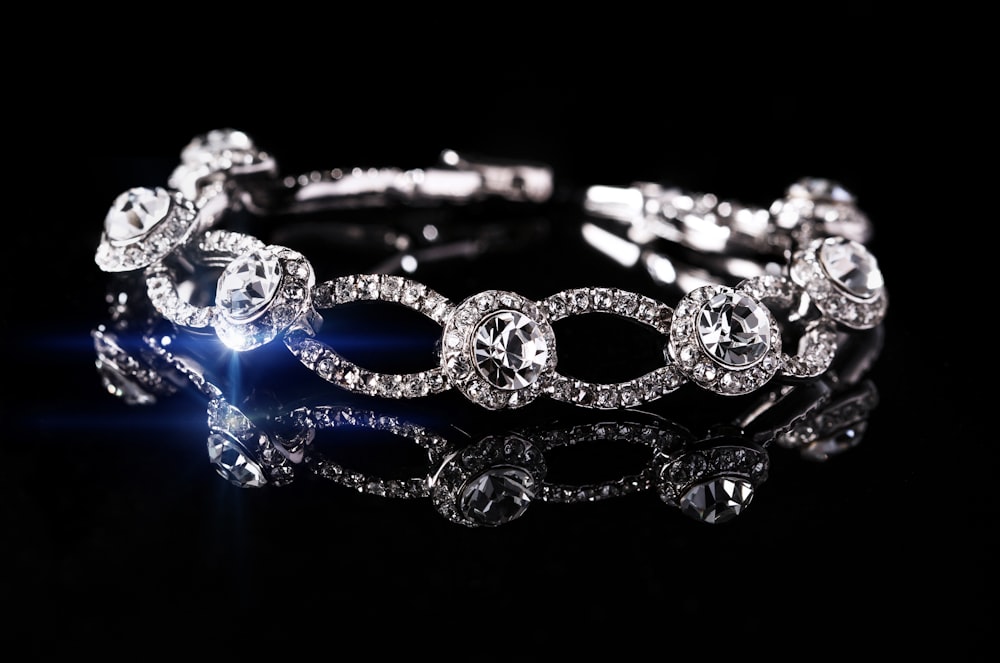
Deconstructing Jewelry Aesthetics and Eras
Jewelry design is a highly codified visual language, heavily influenced by historical eras, architectural movements, and cultural shifts. When we analyze jewelry styles, we dissect the specific design elements, gemstone cuts, and metalworking techniques that define distinct aesthetics. Understanding these stylistic parameters allows buyers to curate a cohesive collection and recognize the historical lineage of modern designs.
Art Deco and Geometric Precision
The Art Deco period (1920s-1930s) revolutionized jewelry design, replacing the fluid naturalism of the Art Nouveau era with stark, architectural geometry. We analyze the defining characteristics of Art Deco: the extensive use of platinum, the prevalence of calibré-cut colored gemstones (like sapphires and emeralds) set rigidly against diamonds, and the emphasis on symmetry and bold, contrasting colors. These structural designs remain highly sought after for their enduring modernity.
Minimalism and Modern Wearability
The contemporary shift toward minimalism prioritizes stark simplicity and everyday wearability. We evaluate the mechanics of minimalist design, noting that pieces lacking heavy ornamentation must rely on flawless execution, as there is nowhere to hide poor soldering or uneven polishing. We examine the rise of bezel settings, flush-set stones, and plain metal geometric forms, which offer high durability and low maintenance for active lifestyles.
Maximalism and Statement Pieces
Conversely, we analyze the structural requirements of maximalist design—cocktail rings, heavy collar necklaces, and multi-stone clusters. These pieces demand advanced engineering to manage weight distribution and ensure the security of numerous accent stones. We guide buyers on evaluating the structural integrity of complex pavé work and the necessary strength of the underlying metal lattice required to support massive, bold designs without collapsing.