Introduction
Have you ever taken out a pair of earrings and noticed a strange, unpleasant odor coming from your earlobes? If you have experienced this, you are certainly not alone in dealing with this frustrating issue. This common phenomenon is often casually referred to as "ear cheese" among jewelry enthusiasts and professional body piercers.
While it might feel embarrassing, understanding the root cause is the first step toward solving the problem. In this comprehensive guide, we will explore exactly why smelly earring holes occur, the biological science behind the odor, and 7 proven ways to keep your piercings completely fresh, healthy, and odor-free.
What Exactly Is "Ear Cheese"?
The term "ear cheese" might sound like an unappetizing food item, but it is actually a colloquial term used to describe the biological buildup inside a piercing channel. This buildup consists of a mixture of shed dead skin cells, natural body oils (sebum), sweat, and residual hair products or soap scum.
Over time, these elements accumulate in the small, confined space between your earring post and the skin of your earlobe. When this compacted mixture is exposed to air and natural body heat, it begins to break down and produce a distinct, funky odor.
Many jewelry wearers first notice this issue when they take out a pair of studs that have been worn continuously for several weeks. The dark, paste-like gunk clinging to the earring post is the physical manifestation of this process. While it might look alarming, it is a completely natural byproduct of human skin interacting with jewelry. Understanding this mechanism removes the stigma and allows you to tackle the problem with practical hygiene solutions.
The Science Behind the Smell
Your skin naturally sheds thousands of microscopic dead cells every single day as part of its cellular renewal process. When you wear earrings continuously, these shed keratinocytes get trapped around the post and inside the piercing channel (the fistula).
Simultaneously, your sebaceous glands produce sebum, an oily substance designed to lubricate and protect your skin. When dead skin cells mix with sebum, they create a thick, paste-like substance that easily collects in your earring holes.
Microscopic bacteria (such as Staphylococcus epidermidis and Corynebacterium) naturally inhabit the skin's surface and thrive in warm, moist, dark environments. When these microbes feed on the trapped dead skin and fatty lipids, they release volatile sulfur compounds and short-chain fatty acids as metabolic byproducts. These compounds are the actual source of the pungent, cheesy smell you notice when you remove your jewelry. The tighter the earring clutch is pressed against your lobe, the less airflow reaches the area, creating a prime breeding ground for odor-causing microbes.
Top Causes of Smelly Earring Holes
Understanding the specific triggers behind piercing odor can help you tailor your ear hygiene routine effectively. While standard sebum buildup is the primary culprit, several other factors can contribute to or worsen the smell.
1. Dead Skin Cells and Sebum Buildup
As your earlobes shed microscopic skin flakes, the narrow tunnel of your piercing acts like a trap. If you do not actively clean the inside of the piercing hole, this debris accumulates rapidly over just a few days. The friction from an earring post shifting against the skin can also accelerate cell shedding.
People with naturally oily skin, active gym-goers, or those who live in hot, humid climates experience faster buildup. Sweat introduces moisture and salts into the mixture, creating a dense, compacted layer of organic matter that cannot be flushed out with shower water alone.
2. Bacterial and Fungal Overgrowth
While standard ear cheese is usually harmless, a sudden, exceptionally foul odor could indicate a mild bacterial or fungal imbalance. Bacteria such as Pseudomonas can colonize the piercing channel if the area is frequently touched with unwashed hands, releasing pungent sulfur compounds reminiscent of rotten eggs.
Fungal overgrowth, particularly from Candida yeasts, also thrives in damp, enclosed piercings. A fungal issue typically presents with a musty, bread-like odor accompanied by itching, redness, or skin flaking. Distinguishing between standard buildup and active infection is essential for choosing the right treatment.
3. Allergic Reactions to Cheap Base Metals
Many fast-fashion earrings are manufactured from base metals like nickel, brass, copper, or low-grade alloys. These reactive metals frequently cause allergic contact dermatitis. When your skin reacts, it becomes inflamed, itchy, and weeps clear or yellowish serous fluid.
This excess fluid combines with dead skin cells, creating an unstable environment that smells metallic and sour. For an in-depth breakdown of safe metals, explore our guide on jewelry allergies and sensitive ear metals.
4. Trapped Hair Products & Incomplete Drying
Shampoos, conditioners, hairsprays, and perfumes frequently wash over your earlobes and get trapped behind earring backings. These products dry into a crusty, chemical residue that irritates the skin and accelerates bacterial fermentation. Additionally, going to sleep with damp earlobes after washing your hair traps moisture beneath the earring clutch, fueling fungal growth.
How to Clean Smelly Earring Holes Effectively
Eliminating ear cheese requires physical removal and gentle sanitation rather than masking sprays or perfumes.
The 2-Minute Daily Hygiene Routine
- Wash with Gentle Cleanser: During your evening shower or face wash, gently massage your earlobes with a mild, fragrance-free cleanser.
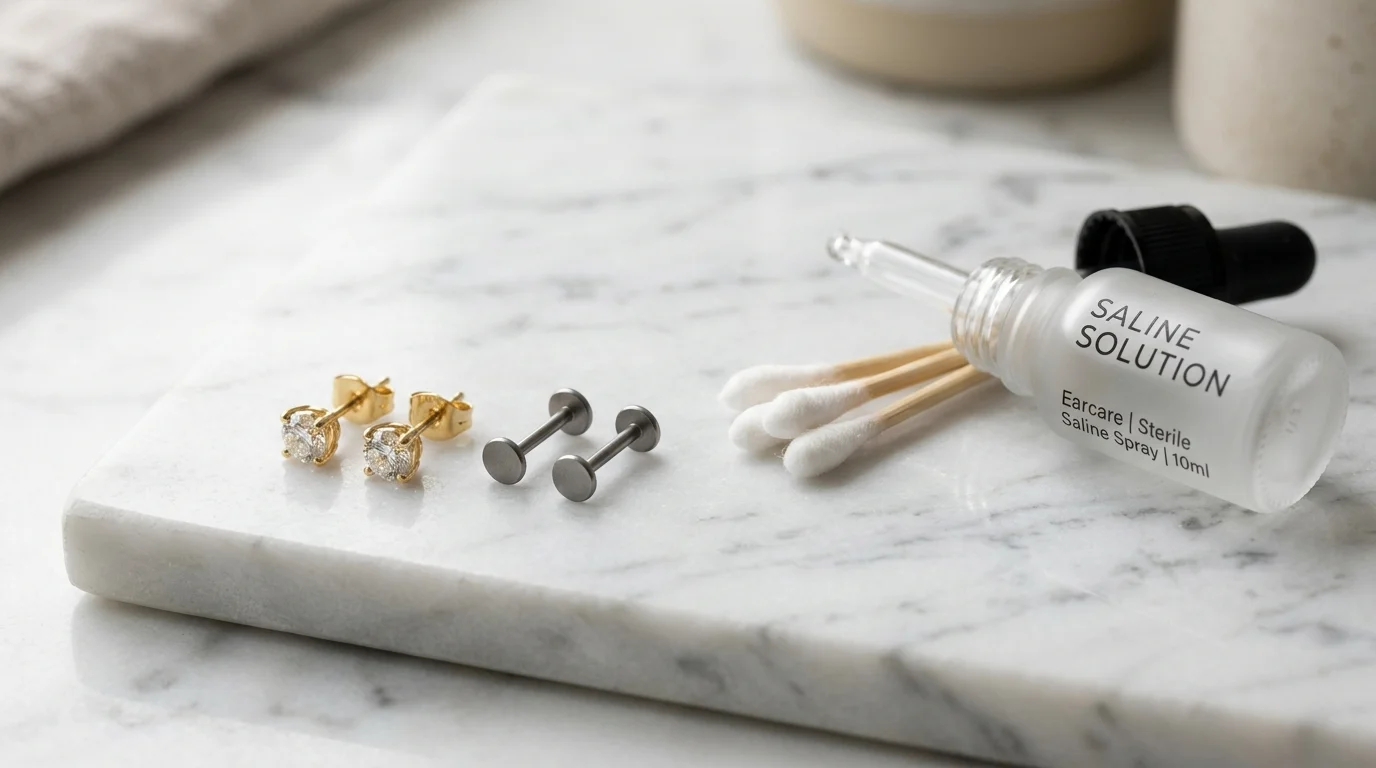
- Saline Flush: Spray sterile isotonic saline solution (0.9% sodium chloride) directly over the front and back of the piercing.
- Pat Completely Dry: Use a clean paper towel or a hairdryer on the cool setting to eliminate all lingering moisture behind the lobe.
Deep Cleaning Your Earrings & Backings
Once a week, take your earrings out for a thorough sanitation session:
- Soak in Warm Soapy Water: Place earrings in a bowl of warm water with a few drops of mild dish soap for 10 minutes to dissolve hardened sebum.
- Scrub with Soft Brush: Use a dedicated soft-bristled baby toothbrush to gently scrub posts, grooves, and friction clutches.
- Rinse & Dry: Rinse under warm running water and dry completely with a lint-free microfiber cloth.
- Avoid Harsh Alcohol: Avoid soaking delicate gemstone earrings in rubbing alcohol, as it can strip protective coatings. Refer to our fine jewelry cleaning guide for stone-safe methods.
Choosing Hypoallergenic Metals (Comparison Table)
Upgrading to high-purity, biocompatible metals is the single most permanent fix for smelly piercings. Below is a comparison of common jewelry metals and their odor resistance:
| Metal Type | Hypoallergenic? | Odor Resistance | Best Recommended For |
|---|---|---|---|
| Implant-Grade Titanium (ASTM F-136) | 100% Yes | Outstanding | Sensitive ears, 24/7 wear, newly healed piercings |
| 14K / 18K Solid Gold | Yes (Nickel-Free) | Excellent | Everyday luxury, long-term heirloom pieces |
| Platinum (950) | 100% Yes | Outstanding | Maximum biocompatibility, severe allergy sufferers |
| 316L Surgical Stainless Steel | Sometimes | Fair | Budget jewelry (may contain 6-12% trace nickel) |
| Nickel, Brass & Copper Alloys | No | Poor | Avoid entirely for body piercings and sensitive ears |
7 Proven Ways to Prevent Ear Piercing Odor
- 1. Switch to Flat Back Labrets: Unlike butterfly friction clutches that trap sebum in spring wings, flat back titanium labrets sit flush, offer zero gunk crevices, and allow the skin to breathe.
- 2. Sleep Without Earrings: If your piercings are fully healed, take earrings out at night. This allows the fistula to air out and shed dead cells naturally.
- 3. Use Piercing Floss: For deep buildup, use specialized disposable paper piercing floss moistened with saline to gently sweep through the channel.
- 4. Blow-Dry Your Ears: After showering or swimming, use your hairdryer on the cool setting for 10 seconds behind each earlobe to eliminate dampness.
- 5. Avoid Touching with Unwashed Hands: Transferring hand bacteria to your piercings accelerates bacterial fermentation and odor production.
- 6. Clean Your Phone & Pillowcases: Pillowcases and smartphone screens collect facial oils and bacteria that transfer directly to earring posts. Wash pillowcases weekly.
- 7. Set Care Reminders: Use our free Jewelry Care Reminder Tool to keep a structured weekly maintenance cadence.
When to See a Doctor or Professional Piercer
While standard ear cheese is a cosmetic hygiene nuisance, certain red flags indicate an active infection requiring professional medical attention:
- Intense, throbbing pain or heat radiating from the earlobe.
- Thick, opaque yellowish or greenish pus leaking from the hole.
- Severe swelling, redness spreading beyond the piercing site, or fever.
- A hard, painful knot or lump forming inside the lobe (potential cyst or abscess).
Never ignore acute infection symptoms. If you experience these signs, visit a healthcare professional or board-certified dermatologist for medical diagnosis and targeted antibiotic treatment.
Frequently Asked Questions
Why do my earring holes smell like cheese?
Is "ear cheese" dangerous or a sign of infection?
How often should I clean my earring holes to prevent odor?
Can I use rubbing alcohol to clean my smelly piercings?
Why do my ears smell even after I wash them?
Do certain metals make earring holes smell worse?
Should I take my earrings out before going to sleep?
Can hair products cause my earring holes to smell?
How do I clean the gunk out of my earring backs?
Why does my newly pierced ear smell bad?
Final Verdict
Smelly earring holes are a widespread but entirely preventable issue caused by the natural accumulation of dead skin, oils, and bacteria. For the vast majority of people, adopting a consistent cleaning routine and switching to high-quality, hypoallergenic jewelry will completely eliminate the problem. Beginners and fashion enthusiasts will benefit immensely from understanding how their body chemistry interacts with different metals and daily hygiene products.
However, individuals with severe metal allergies or compromised immune systems should be particularly vigilant about monitoring their piercings for signs of infection. The biggest strength of the methods outlined in this guide is their simplicity and reliance on affordable, everyday hygiene practices. The main weakness is that maintaining odor-free piercings requires ongoing consistency and a willingness to invest in better quality jewelry over cheap fashion alternatives. Ultimately, keeping your ears fresh is a simple matter of regular maintenance, proper drying, and choosing skin-safe materials from trusted brands.
Conclusion
Dealing with smelly earring holes can be an annoying and embarrassing experience, but it is a highly manageable aspect of wearing jewelry. By understanding the biological causes of "ear cheese" and implementing the targeted cleaning strategies discussed above, you can confidently wear your favorite pieces. Remember that your piercings require just as much care and attention as the rest of your skincare routine. Treat your earlobes with gentle cleansers, keep them completely dry, and always opt for premium metals that respect your skin's natural chemistry. With these simple habits in place, you can enjoy your beautiful jewelry collections in complete comfort and freshness.
Sources & Methodology
This article was researched and written in accordance with the Oshinic Jewels Editorial Policy. Claims regarding gemstone quality, metal durability, pricing, sizing, and skin health were independently verified against the following authoritative industry standards:
- American Academy of Dermatology (AAD): Clinical guidelines for earlobe hygiene, contact dermatitis, and piercing care. View AAD Guidelines
- Association of Professional Piercers (APP): Body piercing hygiene, aftercare standards, and biocompatible metals. View APP Standards
- Jewelers of America (JA): Standard consumer care and cleaning guidelines for fine jewelry. View Standards
- Federal Trade Commission (FTC): Jewelry Guides & Hypoallergenic Definitions. View FTC Guides
- Oshinic Jewels: Independent Jewelry Research, Metallurgy Testing & Editorial Methodology. View Editorial Policy