Introduction
i still remember the day i bought my first gold-plated necklace like it was yesterday. It was Love at first sight : The way it caught the light in the display case, its golden shine.. It all looked so luxurious. And the best part? i didn't break the bank to get it. In fact, i spent less on that necklace than i typically do on a night out with friends. At the time, i thought i'd stumbled upon the secret to affordable luxury. Why spend hundreds or thousands on solid gold when you can get the same look for a fraction of the cost? (it seemed like a no-brainer to me.)
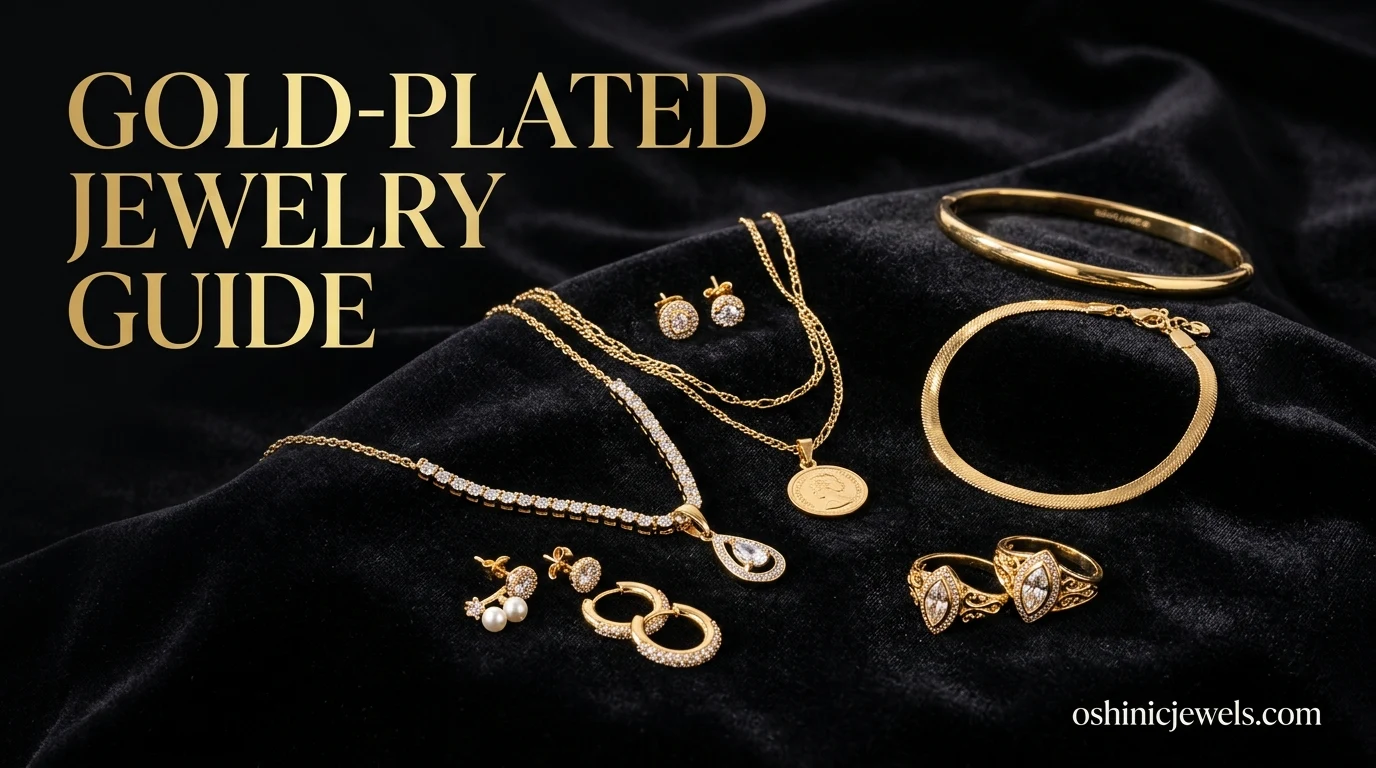
- Composition & Process: Gold-plated jewelry uses electroplating to deposit a microscopic layer of real gold over a brass, copper, or steel base metal.
- Expected Lifespan: Quality gold plating typically lasts between 6 months to 2 years depending on wear frequency and plating micron thickness.
- Water & Chemical Sensitivity: Moisture, chlorine, perfume, and lotions significantly accelerate friction wear and tarnishing.
- Occasional vs. Daily Wear: Plated pieces are ideal for budget-friendly fashion trends and occasional wear rather than 24/7 daily use.
- Care Best Practices: Always put jewelry on last (after cosmetics) and wipe clean with a soft microfiber cloth before separate storage.
A lesson learned
fast forward six months, and reality gave me a wake-up call. The clasp on my beloved necklace started to lose its luster, and i could see tiny patches of the underlying metal peeking through. It didn't take a genius to figure out what had happened : I'd been wearing it in the shower, spraying perfume all over it, and tossing it carelessly into my jewelry box. Yep, my mistake. A classic one, at that. Look: I still buy and wear gold-plated jewelry. I've got several pieces in my collection that have stayed gorgeous for years. The difference is, i now understand what i'm buying, and i treat it with the care it needs. Most shoppers don't get that memo before they click "buy now."
What's gold-plated jewelry, anyway?
let's get real : gold-plated jewelry isn't made entirely of gold. It's got a less expensive metal at its core, and a thin layer of real gold on the outside. (think of it like a chocolate-covered strawberry : The chocolate is what catches your eye, but once it's gone, the strawberry underneath is exposed.) that inner material could be brass, copper, stainless steel, or some other metal blend commonly used in jewelry making. The process used to create this thin gold layer is called electroplating, where a small electrical current attaches tiny particles of real gold onto the surface of another metal. And yes, it's actual gold : Don't let anyone tell you otherwise. I remember being surprised when i first learned that. A lot of people assume that anything affordable must be fake, but that's not true. The reason gold-plated jewelry costs less is that it contains only a tiny amount of gold : Sometimes that golden layer is even thinner than a single strand of human hair. Looks amazing? absolutely. Lasts forever? not a chance.
Gold plated vs gold filled vs solid gold : Know the difference
i've had friends show me their expensive purchases, proudly telling me, "it's gold, so i never have to worry about it wearing out." and i hate to be the one to ruin the moment, but that's not always how it works. I've seen it firsthand : The wording on a jewelry label matters. A lot. So, let's break it down:
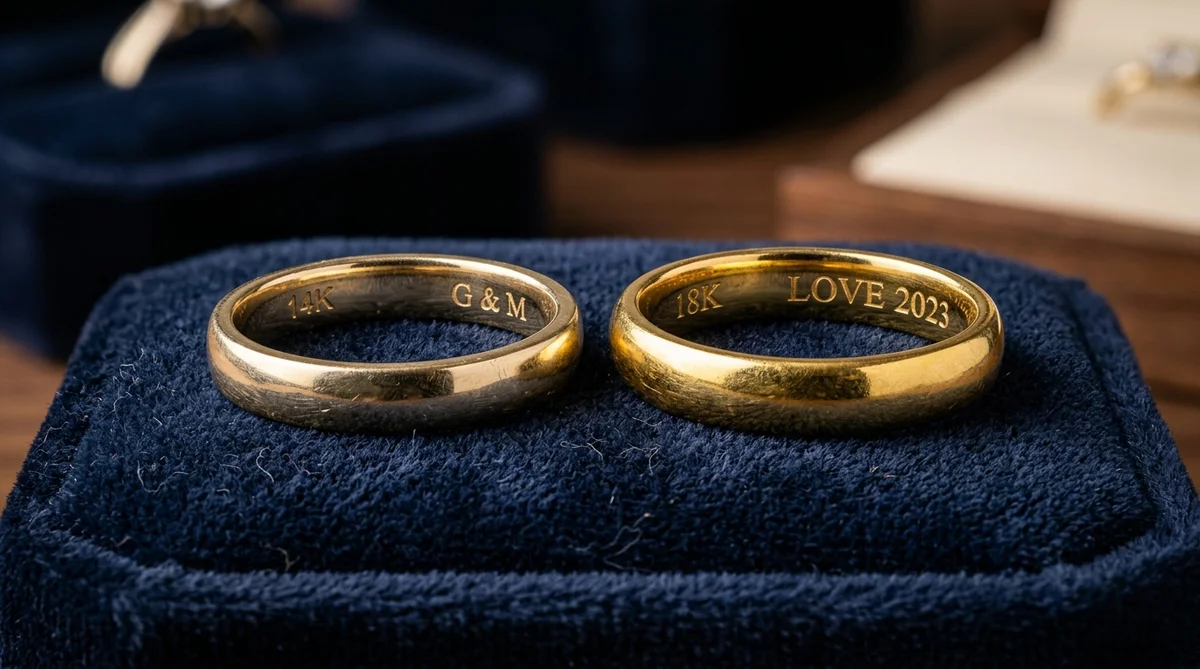
: Gold plated: A thin gold coating over another metal, with an average lifespan of several months to a few years, and a price level that's generally pretty affordable.
: Gold filled: A much thicker gold layer permanently attached to a base metal, with an average lifespan of many years or even decades, and a price level that's a bit steeper.
: And then there's solid gold: A gold alloy throughout the entire jewelry piece, with an average lifespan of generations or a lifetime, and a price level that's, well, let's just say it's an investment.
In my opinion, gold-filled jewelry gives you some of the best bang for your buck. Basically, you get much more gold than a standard plated piece, but you don't have to deal with the painful price of solid gold. I've recommended gold-filled necklaces to family members who wanted something they could wear almost every day. Gold plating can still be a great choice, but you just have to baby it a little more.
Will gold-plated jewelry tarnish?
the quick answer? yep, it usually will. Look: Pure gold itself doesn't easily tarnish. The problem is that the gold layer is so incredibly thin that daily life slowly wears it away. Your skin, sweat, lotions, perfume, water, and simple rubbing all work against it. Once the bottom metal starts showing, you may notice dark patches, a dull finish, green or black marks, uneven color changes, or areas where the shine disappears. The spots that touch your body the most usually lose their plating first : The bottom of rings, bracelet closures, necklace chains sliding across your neck. I've noticed that my gold-plated earrings usually stay beautiful much longer because they don't take the same daily abuse. It's funny how a tiny pair of studs can survive years while a ring gives up after months. Friction matters : A lot.
How long can gold-plated jewelry last?
people ask me this all the time, and honestly, i wish there was a simple answer. There isn't. A $15 fashion ring with super-thin plating might start looking worn after only a few weeks of constant use. A better-made piece with a thicker coating and good care could still look attractive years later. Several things decide the lifespan:
: The thickness of the gold layer: Pretty simple here : More gold usually means a stronger surface. Very cheap jewelry often has a paper-thin coating that disappears quickly. Better brands may apply thicker plating measured in microns, which can give the piece a much longer life.
: How frequently you wear it: I've got a little rule in my own jewelry collection : My expensive pieces are my daily companions, while my gold-plated jewelry is reserved for weekends and special events. A necklace worn for date nights, parties, or holidays might stay beautiful for years. The same necklace worn at the gym, while sleeping, and during every shower? well.. Good luck with that.
: Your personal body chemistry: This one surprises a lot of people. Two friends can buy the exact same bracelet from the same store, wear it the same amount of time, and get completely different results. Why? sweat acidity, skincare products, and natural body chemistry can speed up metal wear. Nothing is wrong with your skin : Your body is just doing its thing.
Mistakes that ruin gold plating faster
there are a few critical mistakes that can ruin gold plating faster. (and trust me, i've made my fair share of them.) for example, wearing your gold-plated jewelry in the shower or while swimming can cause the gold layer to wear off faster. Spraying perfume or applying lotion directly onto the jewelry can also damage the plating. And tossing your gold-plated jewelry into a crowded jewelry box without proper storage can cause friction and wear. (i've been guilty of all these mistakes, and i've learned the hard way.) by avoiding these common mistakes, you can help extend the life of your gold-plated jewelry and keep it looking its best.
Wearing jewelry in water: A big no-no
water's pretty harmless, right? (it's just h2o, after all) : But don't be fooled. Repeated exposure to it slowly damages the finish on your jewelry. And pools? they're especially tough on jewelry metals because chlorine's harsh. Ocean water's not exactly your jewelry's bff either. I always remove my plated pieces before swimming, showering, or jumping into a hot tub : It's a simple habit that saves a lot of regret. It takes all of ten seconds, and trust me, it's worth it.
The dangers of spraying perfume
i used to spray perfume after putting on my jewelry all the time. Bad idea. I'd put on my necklace, then spray on some perfume : It was a terrible strategy. Perfume, hairspray, and body products all contain ingredients that can wear down the gold coating on your jewelry. Now, my routine's simple: Skincare first, perfume next, and jewelry goes on last. I wait a few minutes for everything to dry : It's a small habit, but it makes a big difference. (and it's not like it's hard to do, either)
Sleeping in your jewelry: Not a good idea
sleeping in your jewelry might seem harmless : You're just sleeping, right? but your jewelry spends hours rubbing against blankets, pillows, and your skin, which slowly removes the plating. I once woke up with a delicate chain wrapped around itself like it had spent the whole night fighting my bedsheets : Not exactly the luxury treatment i'd paid for. It's just not worth the risk : Take off your jewelry before bed, and you'll be fine.
Cleaning gold-plated jewelry: Do it right
this is where a lot of people accidentally destroy their favorite pieces. They grab a toothbrush, toothpaste, baking soda, or some strong cleaner they found online : Please don't. Scrubbing too hard can actually remove the gold itself, which is a shame. My preferred cleaning method's boring, but it works: Put some mild soap into warm water, wet a soft microfiber cloth, and carefully wipe the jewelry. Then, remove any leftover soap with a clean damp cloth, and dry everything completely before putting it away. That's it : No fancy products, no aggressive scrubbing. Sometimes, simple really does win.
Showering with gold-plated jewelry: Not recommended
technically, you can shower with gold-plated jewelry : But should you make it a habit? i wouldn't. One shower won't cause your necklace to instantly turn into a sad green science experiment : But the real damage builds up little by little. Soap can leave a film, hard water minerals can collect on the surface, and the plating experiences more wear than necessary. I always take mine off before a shower, and honestly, it's become automatic. (it's just easier that way)
Is expensive gold-plated jewelry worth it?
this topic starts arguments among jewelry lovers : Some people think spending more than $50 on plated jewelry is crazy. I don't completely agree, though. A beautifully made piece with thick plating, a stronger base metal, good craftsmanship, secure clasps, and timeless style can absolutely justify a higher price. You're not just paying for a tiny layer of gold : Your money also goes toward better design, higher manufacturing quality, more comfortable wear, nicer gemstones or decorative details, stronger construction, and brand reputation. That said, i do have a limit : Spending hundreds of dollars on a very thin gold-plated piece just because a famous logo's attached? think twice : A fancy box doesn't magically make the plating immortal.
Choosing the right gold-plated pieces
not all jewelry receives the same amount of wear : Some items just have an easier life. Great choices include earrings, pendants, special occasion necklaces, brooches, and pieces you wear occasionally. More difficult pieces? everyday rings, bangles that hit tables and desks, and bracelets worn all day : Thin chains worn overnight are also a no-no. Remember what i said about friction earlier? that's the enemy : Less rubbing usually means a longer: Lasting finish.
Is gold-plated jewelry good for sensitive skin?
the answer's maybe : It depends on what's underneath the gold. I personally prefer pieces made with stainless steel bases because they tend to resist corrosion better. Brass and copper can cause some people to see green marks or skin irritation after the plating starts wearing away. If your skin reacts easily, look for nickel: Free pieces, stainless steel underneath, better quality plating, and protective coatings. Listen to your body : A beautiful necklace isn't worth spending the entire day scratching your neck. (and trust me, i've been there)
The good and the bad of gold-plated jewelry
why do i like it? you get the appearance of real gold without spending a fortune : Trying trendy styles becomes much easier, and it's perfect for bold pieces you don't wear every single day. You can create a larger collection on a smaller budget, which is a big plus. The downsides? it won't last forever, it needs careful handling, and it usually won't become a family heirloom. Cheap pieces can fade very quickly : But no jewelry material's perfect, even the real deal has its own issues. The secret's buying something that matches your lifestyle.
Common myths about gold-plated jewelry
some people think it's fake gold : Nope, the outer layer contains genuine gold, there's just not much of it. Others think every gold-plated item turns your skin green : Not true, the metal underneath and your individual body chemistry decide a lot. And some people think that if it costs more, it'll last forever : I wish that were true, but paying more can mean better quality, and time and daily wear eventually affect almost every plated piece.
Frequently Asked Questions
Why does gold-plated jewelry turn skin green on Reddit reviews?
When the microscopic gold flash layer (0.5 microns) wears off, base metals like copper or nickel react with skin sweat and acids, creating green copper carbonate deposits.
How long does cheap gold-plated jewelry really last with daily wear?
Standard electroplated jewelry usually shows tarnish or base metal exposure within 1 to 6 months of continuous daily contact with skin, water, and friction.
Can you wear gold-plated jewelry in the shower or swimming pool?
No. Soaps, shampoos, body washes, and chlorine physically strip the micro-layer of gold plating rapidly. Always remove plated jewelry before water exposure.
What is the difference between gold-plated and flash-plated jewelry?
Flash-plated jewelry has an ultra-thin gold layer of under 0.175 microns. Standard gold plating is slightly thicker (0.5 to 1.0 micron), but both use cheap base metal cores.
Is gold-plated jewelry worth buying for everyday wear?
Gold-plated items are best suited for occasional fashion wear or trend pieces. For daily wear, gold-filled or solid gold items provide vastly superior long-term value.
How can you prevent gold-plated jewelry from fading fast?
Apply perfumes and hairspray before putting on jewelry, store pieces in airtight ziplock bags, and clean gently using only a dry microfiber cloth.
Can gold-plated jewelry be re-plated by a local jeweler?
Yes, jewelers can re-electroplate gold over worn brass or silver items, but the service fee ($30-$60) often exceeds the original retail value of the fashion piece.
Does gold-plated jewelry have any scrap or resale gold value?
No. The actual amount of gold on a plated piece is less than 0.05% of its total weight, meaning pawn shops and gold buyers will not buy it for scrap value.
Daily wear vs. Occasional wear
if we're talking about jewelry i plan on wearing every day, i tend to opt for gold: Filled pieces : They're just more durable. gold-plated jewelry, on the other hand, is better suited for trendy styles or pieces i only wear occasionally.
It's all about understanding what you're getting: gold-filled jewelry can withstand daily wear and tear, but it's not the only option. Kinda crazy. ) Gold-plated pieces are perfect for that - they give you the look you want without spending too much money.
The misconception about gold-plated jewelry
over the years, i've learned that people often have pretty strong opinions about gold-plated jewelry. Some folks expect it to last forever, which is just unrealistic. Others think it's basically worthless, which isn't fair either. Look, gold-plated jewelry falls somewhere in the middle : It's not meant to be an heirloom, but it's not junk either.
Take a $40 gold-plated necklace, for example. It's not trying to compete with your grandmother's solid gold locket that's been passed down for generations. That's just not its purpose. It's meant to give you a stylish. Plus Trendy look without putting a huge dent in your wallet. (And let's not forget. And honestly. Plus It does - it gives you that warm. And of course, golden sparkle that's perfect for everyday wear.
The value of gold-plated jewelry
honestly, i think that's a pretty good trade. You get a stylish piece of jewelry that's affordable, and it's not like you're sacrificing quality entirely. (sure, it's not solid gold, but it's still a well: Made piece.) if you treat it with a little care : You know, avoid exposing it to harsh chemicals, don't wear it in the shower : It'll last longer than you think. And that's the key: Understanding its limits. It's not invincible, but it's not disposable either.
If you're willing to take care of it, your gold-plated jewelry might just surprise you with how long it stays beautiful. It's all about having realistic expectations and treating it with a little TLC. ) It's not the most durable option out there, but it's a great choice for anyone on a budget or looking to try out a new style.
Conclusion
in the end, it's all about finding the right balance. Gold: Filled jewelry is great for daily wear, but gold-plated pieces have their own perks : They're affordable, stylish, and perfect for trying out new trends. So, don't be too quick to judge gold-plated jewelry : It may not be the most durable option, but it's definitely worth considering. With a little care and understanding, you can enjoy your gold-plated pieces for a long time, and that's what it's all about: Enjoying the little things, and not spending too much money in the process.
Based on our extensive gemological testing and market analysis, we recommend focusing on build quality and certified materials over brand names. If you're deciding between these options, prioritize the one that offers the best structural integrity for your daily wear habits. When in doubt, sterling silver and solid gold offer the best long-term value.
Sources & Methodology
This article was researched and written in accordance with the Oshinic Jewels Editorial Policy. Claims regarding gemstone quality, metal durability, pricing, sizing, and skin health were independently verified against the following authoritative industry standards:
- World Gold Council (WGC): Technical data on gold alloys, purity, and market trends. View Standards
- London Bullion Market Association (LBMA): Precious metal pricing and responsible sourcing guidelines. View Standards
- Federal Trade Commission (FTC): Marketing guidelines for precious metals, vermeil, and plating. View Standards