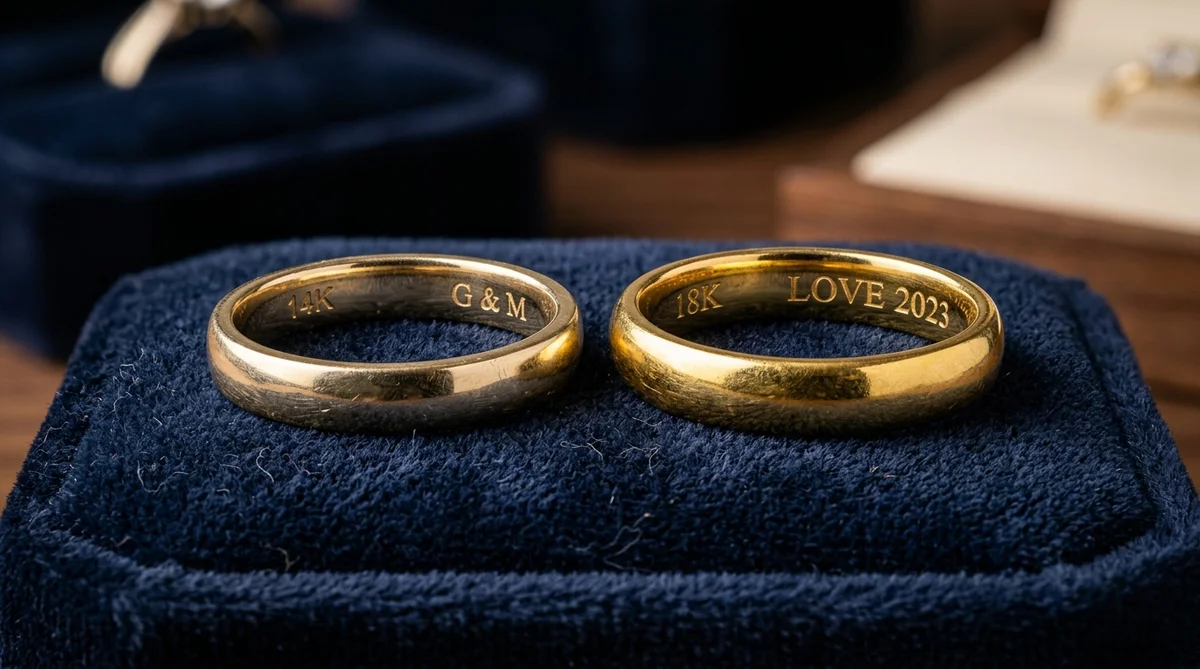
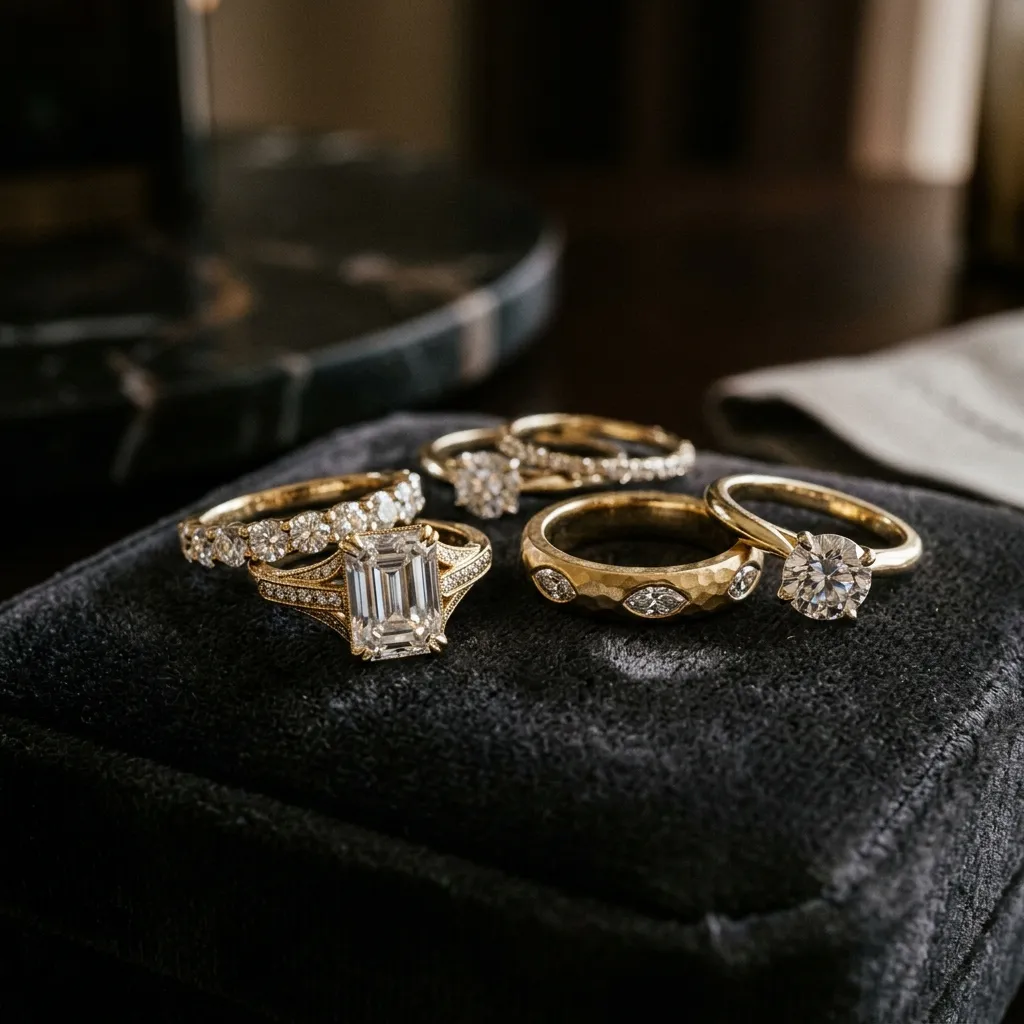
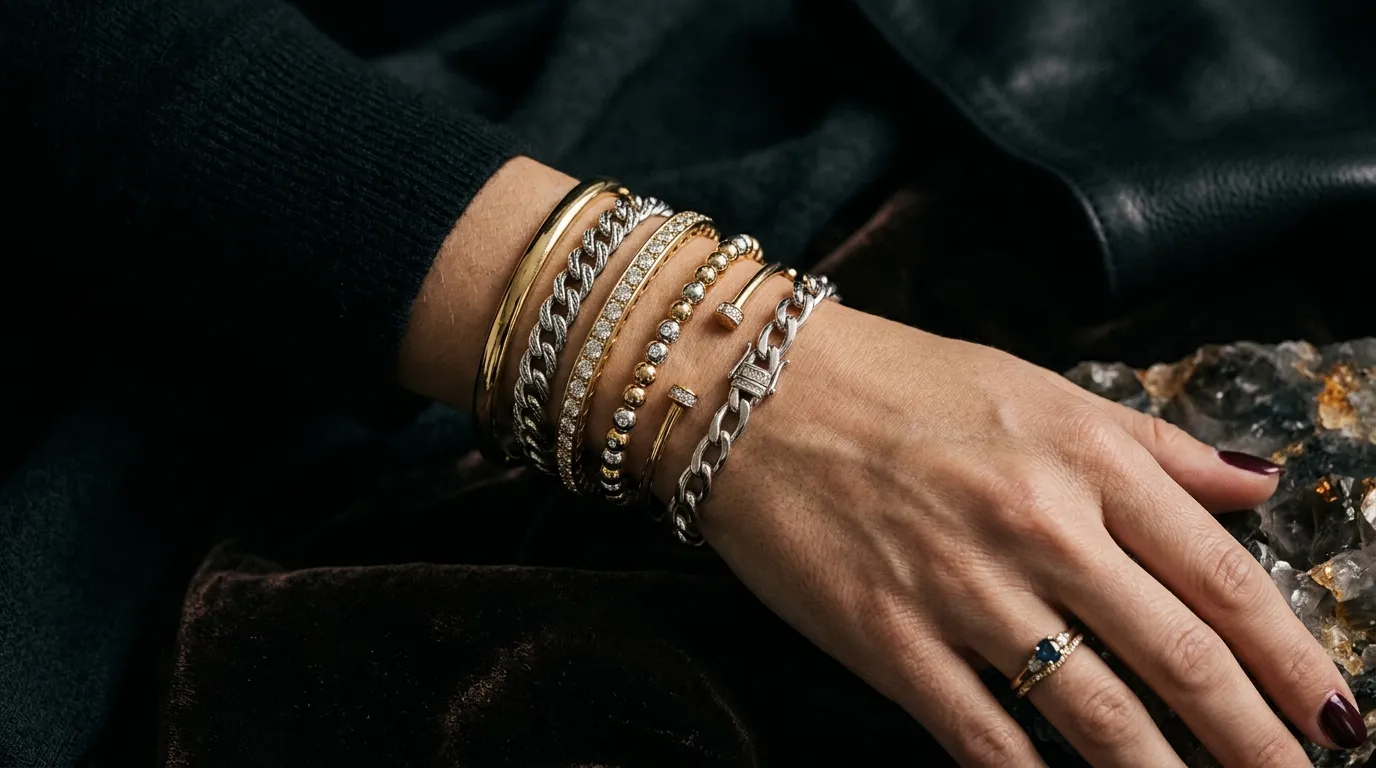
The allure of gold jewelry transcends time. Plus Culture. Whether you’re selecting an engagement ring. Plus A statement necklace. And of course, a delicate everyday bracelet. Plus The choice between rose gold. Also Yellow gold. And honestly, white gold can feel daunting. Each metal carries its own unique charm. Plus Historical signific
ance. And honestly, practical considerations. The decision isn’t just about aesthetics. Plus It’s about finding a piece that aligns with your lifestyle. Also Budget. And honestly, personal style. To make an informed choice, it’s essential to understand the composition. Plus Durability. Also Maintenance needs. And honestly, suitability of each gold type. Let’s into the distinctions that define these timeless metals and explore how they might complement your individuality.
What actually makes gold yellow, white, or rose?
Pure gold,in its 24-karat form. Plus Is inherently soft and malleable. And of course, too delicate for everyday jewelry. To enhance its durability,gold is alloyed with other metals. Plus Which not just strengthen the material. And of course, it also dictate its final color., 14K or 18K) indicates the proportion of pure gold in the alloy. 3% pure gold, while the remaining percentage comprises other metals that influence the hue.
Yellow Gold
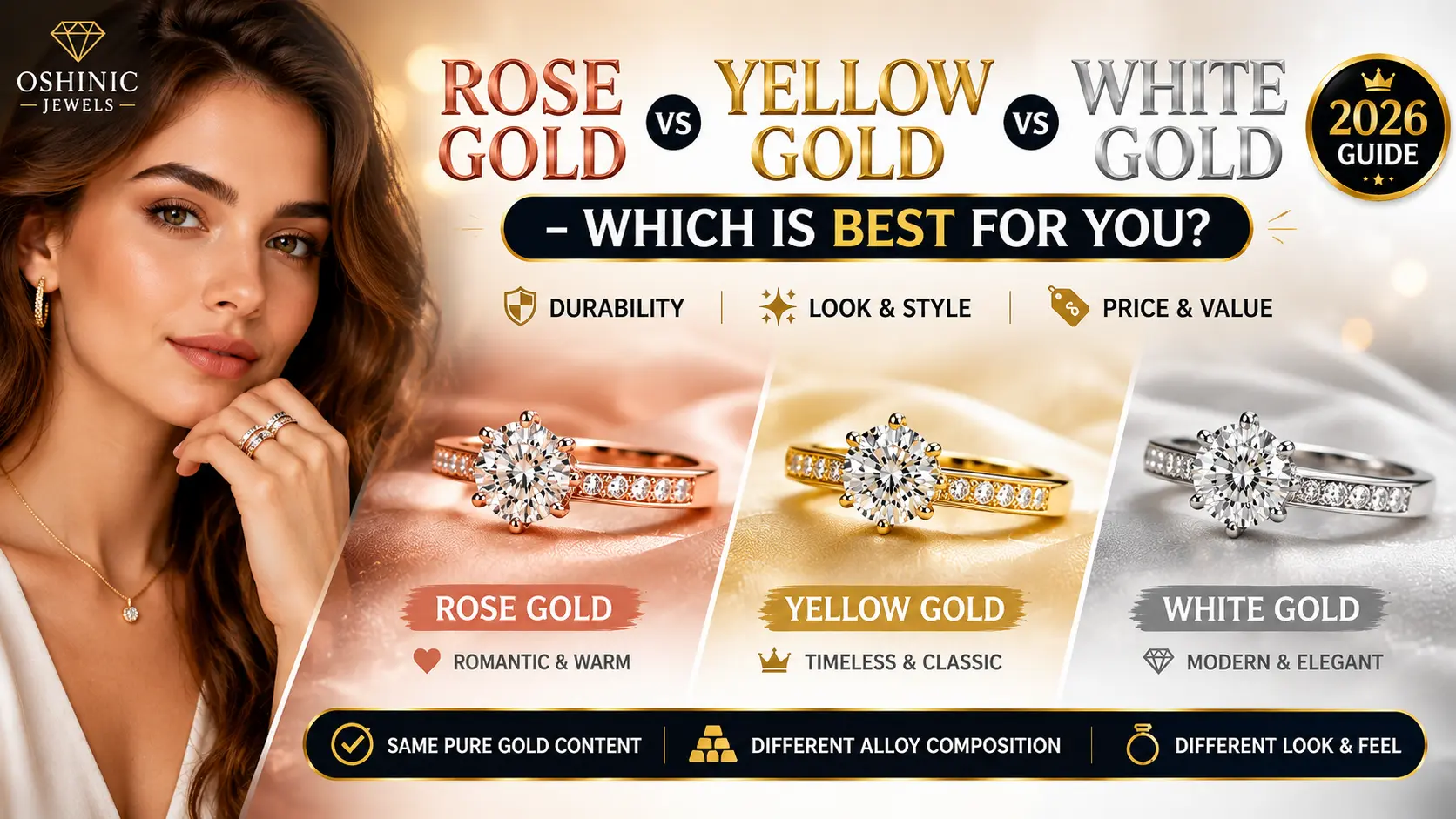
Achieved by blending pure gold with copper and silver, yellow gold retains the natural warm glow of pure gold while gaining structural resilience. Worth thinking about. Copper contributes to its signature richness, while silver stabilizes the alloy. This combination has made yellow gold a staple in jewelry for centuries, prized for its classic appeal.
White Gold
To create white gold, pure gold is alloyed with metals such as nickel,palladium. Plus Silver. And of course, which neutralize its yellow undertones. The result is a silvery-white finish, often enhanced with a rhodium plating to amplify its brilliance. This modern favorite is particularly popular for settings that showcase diamonds and other white gemstones.
Beyond its romantic aesthetic. Plus Copper imparts exceptional hardness. And of course, making rose gold the most durable of the three. Its vintage-inspired charm has cemented its status as a contemporary favorite, especially for engagement rings and heirloom pieces.
Rose gold vs yellow gold vs white gold: A detailed comparison
| Feature | Yellow Gold | White Gold | Rose Gold |
|---|---|---|---|
| Color | Rich, warm yellow | Bright, silvery-white | Soft pinkish-blush |
| Primary Alloys | Copper, silver | Nickel, palladium, or silver | High copper content |
| Durability | Durable, especially in 14K; 18K may show fine scratches over time | Durable base alloy; rhodium plating wears off over time | Most durable due to copper’s reinforcing properties |
| Maintenance | Low; cleaned with mild soap and water | Requires periodic rhodium replating (every 1, 3 years) | Low; no plating needed |
| Hypoallergenic | Generally well-tolerated; rare allergic reactions possible | May contain nickel, which can irritate sensitive skin | Usually well-tolerated |
| Initial Cost | Base value aligned with gold market rates | 5, 15% more expensive due to alloys and plating | Often most affordable due to copper’s lower cost |
| Long-Term Cost | Lowest; no replating needed | Higher; replating costs $50, $150 every 1, 2 years | Lowest; no replating needed |
| Best For | Classic, vintage. And traditional designs | Modern, minimalist, and diamond jewelry | Romantic, vintage-inspired, and everyday wear |
| Skin Tone Compatibility | Warm and olive skin tones | Cool and fair skin tones | Most skin tones, particularly warm and neutral |
How to choose based on your skin tone
A simple yet effective method to narrow your options is to assess your skin’s undertone. Examine the veins on the inner wrist under natural light:
- Greenish veins indicate a warm undertone, which pairs beautifully with yellow and rose gold. - Bluish or purplish veins suggest a cool undertone, complemented by white gold’s crisp contrast. - Neutral or mixed undertones can flatter all three gold types, offering flexibility in choice.
Beyond this test. Plus Consider how each metal interacts with your skin in person. Yellow gold enhances golden and olive tones. And honestly. Plus Rose gold’s soft blush flatters nearly everyone. And of course, a key reason for its popularity in engagement rings.
Durability and everyday wear
For pieces destined for daily wear. Plus Such as wedding bands or work-appropriate jewelry. And of course, durability is.
Rose Gold leads in resilience due to copper’s reinforcing properties. Its inherent hardness resists scratches and wear, making it ideal for active lifestyles.
Yellow Gold (particularly 14K) balances durability with tradition. While 18K yellow gold may develop a soft patina over time, many view this as a charming evolution of the piece rather than a flaw.
White Gold. Plus Though sturdy at its core. And of course, relies on rhodium plating for its signature shine. See, this plating fades with use, necessitating periodic reapplication to maintain its luster.
Maintenance and long: Term care
Yellow Gold requires minimal upkeep. Regular cleaning with mild soap and warm water preserves its luster indefinitely.
Rose Gold shares this ease of care, needing only occasional gentle cleaning. Its natural hue remains stable without the need for plating.
White Gold demands more attention. Rhodium replating is required every 1, 3 years, depending on wear and exposure to chemicals like chlorine. Costs range from $50 to $150 per piece. Without replating, the underlying alloy’s grayish-yellow tint becomes visible.
Style and trends in 2026
Gold’s timeless appeal is evolving with contemporary tastes.
- Yellow Gold is experiencing a resurgence, symbolizing permanence and tradition. Its warm tone is favored for heirloom pieces and vintage-inspired designs. - White Gold remains a of modern jewelry, prized for its clean lines and ability to highlight diamonds. Its association with precision and minimalism ensures its enduring popularity. - Rose Gold continues to capture hearts with its romantic blush tone. It’s a top choice for engagement rings and layered stacking jewelry, blending vintage charm with modern romance.
A notable trend in 2026 is the mixing of metals. Combining yellow. Plus White. And honestly, rose gold in a single piece, or across a curated jewelry collection,adds depth and personality. Plus Reflecting a confident. And of course, eclectic style.
Expert insights: What professionals look for
Jewelers and designers emphasize several critical factors when evaluating gold jewelry:
1. Color Consistency: A high-quality piece should exhibit an even tone without uneven spots or dull patches. Seriously. 2. Finish and Craftsmanship: Smooth surfaces and precise detailing indicate superior workmanship. 3. Those prioritizing low maintenance may prefer yellow gold. Plus While white gold suits those who adore a modern. And of course, polished aesthetic and are willing to invest in upkeep.
For milestone pieces like engagement rings, experts frequently recommend 14K or 18K yellow or rose gold. These balances of purity and durability ensure the jewelry remains a treasured companion for generations.
Frequently asked questions
Rose gold stands out as the most durable due to its high copper content, which enhances scratch resistance and longevity.
Beyond periodic rhodium replating. Plus Avoid exposing white gold to harsh chemicals like chlorine. And of course, which can accelerate plating wear.
Absolutely. Mixing metals is a celebrated trend, allowing for creative expression and a personalized approach to jewelry design.
By understanding these nuances, you’re equipped to choose a gold type that not only dazzles today but remains a cherished possession for years to come.
Does White Gold Turn Yellow Over Time? White gold itself doesn't inherently turn yellow. Plus its signature bright. And of course, silvery-white appearance is largely due to a protective rhodium plating applied during manufacturing. Over time,this rhodium layer wears down through everyday wear and tear. Plus Exposure to chemicals. And of course, friction from handling. As the plating diminishes, the underlying metal. Plus Often a combination of gold. And honestly. Plus Other alloys. To maintain its desired luster. Plus Experts recommend replating white gold jewelry every one to three years. And of course, depending on individual wear patterns and environmental factors. Jewelry that's worn daily. Plus Such as engagement rings or everyday bracelets. And of course, will likely require more frequent replating compared to pieces worn occasionally.
Is Rose Gold More Expensive Than Yellow or White Gold? When comparing the cost of rose gold to yellow and white gold, several factors come into play. Copper is a relatively affordable metal compared to palladium. Plus Which is commonly used in white gold alloys.
And of course, the higher proportions of pure gold found in both yellow and white gold pieces. However, it’s to understand that the base value of all gold jewelry is, like, determined by its karat weight, meaning a 14K rose gold ring will have the same amount of pure gold as a 14K yellow or white gold ring of the same weight. No joke. Honestly, the differences in pricing typically arise from the cost of the alloying metals and the complexity of the design, rather than the gold content itself. For consumers prioritizing cost-effectiveness without compromising on the luxurious appeal of gold, rose gold presents an attractive balance of affordability and durability.
Which Gold Color Looks Best on Dark Skin? Selecting the most flattering gold color for dark skin tones is largely a matter of personal preference. But both yellow gold and rose gold tend to create stunning visual harmony. Yellow gold’s warm, sunny hue complements deeper skin tones by enhancing natural undertones and adding a vibrant contrast that draws attention to the jewelry and the wearer’s features. Rose gold, with its blend of gold and copper,offers a romantic. Plus Earthy glow that similarly elevates dark skin tones. And of course, creating a cohesive and striking appearance.
White gold,with its cooler. Plus Neutral undertones. And of course, can also work beautifully but may require careful pairing with gemstones or designs to avoid appearing overly stark. Plus The choice depends on the wearer’s style. Also The occasion. And honestly, how they wish to accentuate their complexion. Trying on different options or consulting with a knowledgeable jeweler can help determine the most flattering shade for individual preferences.
Can I Wear Rose Gold if I Have a Nickel Allergy? Individuals with nickel allergies can generally wear rose gold without concern. Plus As it's primarily composed of gold and copper. Unlike some white gold alloys. Plus Which may contain small amounts of nickel to enhance hardness and durability. And of course, rose gold’s copper base is less likely to cause skin irritation. However, it’s essential to verify the exact alloy composition with the jeweler, as some manufacturers might blend additional metals to achieve specific properties or cost efficiencies. For those with sensitive skin, requesting a nickel-free certification or opting for higher-purity rose gold alloys can provide added assurance. Believe it or not. When in doubt, patch testing the jewelry on a small area of skin before extended wear is a prudent precaution.
How Often Does White Gold Need to Be Replated? The frequency of rhodium replating for white gold jewelry depends on several factors. Plus Including how often the piece is worn. Also The wearer’s body chemistry. For items worn daily. Plus Such as wedding bands or stud earrings. Less frequently worn pieces. Plus Such as cocktail rings or pendant necklaces. And of course, may retain their plating for several years. Regular maintenance. Plus Such as occasional professional cleanings and avoiding excessive exposure to harsh chemicals. Staying attuned to visible signs of wear. Plus Such as a dulling or yellowish tint. And of course, can also serve as a prompt for timely replating.
Is 14K or 18K Gold Better for Everyday Wear? The choice between 14K and 18K gold for daily wear hinges on balancing durability with the desirability of a higher gold content. Believe it or not. 3% pure gold, is alloyed with more durable metals like copper, silver, or zinc, which enhance its hardness and resistance to scratches and wear. See, this makes it a practical choice for active individuals or those who prefer not to worry about frequent maintenance. 18K gold,composed of 75% pure gold.
Plus Offers a richer. And of course, more luxurious gold color but is inherently softer due to its higher gold content. For jewelry subjected to frequent use. Plus Such as bracelets or rings. And of course, 14K gold is often recommended for its resilience. However, 18K gold remains a timeless option for those who prioritize aesthetic purity and are sort of willing to accept a slightly higher level of care.
Which Gold Color Is Best for Diamonds? White gold is a classic choice because its cool. Plus Reflective surface amplifies the brilliance and fire of diamonds. And of course, creating a striking contrast that makes the gemstones appear brighter and more vibrant. This is particularly effective for high-color diamonds (D-G grades) where maximizing sparkle is a priority. Yellow gold,on the other hand. Plus Can enhance the appearance of lower-color diamonds (J-K grades) by subtly masking any yellow or warm undertones in the gemstone.
And of course, creating a harmonious blend that some find more forgiving. Rose gold introduces a warm,romantic undertone that adds a vintage or artisanal flair to diamond settings. Worth thinking about. Plus Appealing to those who favor a softer. And of course, more nostalgic look. Plus The decision should align with the wearer’s style preferences. Also The specific diamonds being used. And honestly, the overall design vision of the piece.
Key takeaways
understanding the unique properties of yellow, white, and rose gold empowers consumers to make informed decisions tailored to their lifestyles and preferences. Here’s a closer look at the essential considerations:
- All Three Are Authentic Gold: Regardless of color. Plus Yellow. Also White. And honestly, rose gold at the same karat weight (14K or 18K) contain the identical amount of pure gold. - Rose Gold Excels in Durability: The copper content in rose gold not just gives it its distinctive hue. Plus It also enhances its hardness. And of course, making it more resistant to scratches and wear compared to yellow or white gold. This makes it an excellent option for daily wear. - White Gold Requires Maintenance: The rhodium plating that defines white gold’s signature shine is temporary and will gradually wear away, necessitating replating every one to three years to preserve its lustrous finish. Those with cool undertones typically gravitate toward white gold. Plus Which enhances their complexion with its crisp. And of course, neutral tone. - Lifestyle Dictates the Best Fit: For active individuals or those seeking low-maintenance options, rose gold’s durability and copper-based composition make it a practical yet elegant choice. Yellow gold offers timeless appeal with minimal upkeep, while white gold delivers modern sophistication but requires occasional replating to maintain its optimal appearance.
A final perspective
choosing the right gold color is as much about personal expression as it's about practicality. Whether you’re drawn to the sunlit warmth of yellow gold, the romantic blush of rose gold, or the sleek modernity of white gold, each option offers a unique way to celebrate milestones, express individuality, or simply everyday moments. By understanding the characteristics, care requirements, and aesthetic strengths of each type, you can select a piece that not just aligns with your lifestyle, it also stands the test of time, both in beauty and in meaning.
For those who value versatility, rose gold’s resilience and affordability make it a standout choice. For traditionalists who cherish the unadulterated richness of pure gold, yellow or white gold provides enduring elegance., the decision should reflect a balance between emotional resonance, practical needs, and the joy of wearing a material that has captivated humanity for centuries. Gold, in any form, is more than a metal, it’s a to craftsmanship, heritage, and the stories we choose to carry with us.Related Reading: For more expert insights, check out our diamond buying guides, our metals & gold guides and our gemstone guides.
Sources & Methodology
This article was researched and written in accordance with the Oshinic Jewels Editorial Policy. Claims regarding gemstone quality, metal durability, pricing, sizing, and skin health were independently verified against the following authoritative industry standards:
- World Gold Council (WGC): Technical data on gold alloys, purity, and market trends. View Standards
- London Bullion Market Association (LBMA): Precious metal pricing and responsible sourcing guidelines. View Standards
- Federal Trade Commission (FTC): Marketing guidelines for precious metals, vermeil, and plating. View Standards