The Science and Lore of Gemstones
Gemstones represent a fascinating intersection of mineralogy, history, and cultural significance. When we examine colored stones, the evaluation criteria diverge sharply from diamond grading. Color dictates value above all else—specifically the interplay of hue, tone, and saturation. A deeply saturated, pure hue without excessive dark or light masking tones commands the highest premiums. We categorize gemstones not just by aesthetics, but by their structural durability on the Mohs scale, which fundamentally determines a stone's suitability for specific jewelry applications.
The Big Three: Rubies, Sapphires, and Emeralds
The market heavily prioritizes the 'Big Three' precious stones. Sapphires and rubies, both varieties of the mineral corundum, register a 9 on the Mohs scale, making them exceptionally durable for daily wear engagement rings. Emeralds, however, present unique challenges. A variety of beryl, emeralds naturally form with significant internal fractures known as 'jardin' (garden). While they rank 7.5 to 8 in hardness, their crystal structure is brittle. We strongly caution that emeralds require protective bezel settings and specialized care; they should never be subjected to ultrasonic cleaners, which can shatter the stone or strip away fracture-filling oils.
Astrology, Birthstones, and Meaning
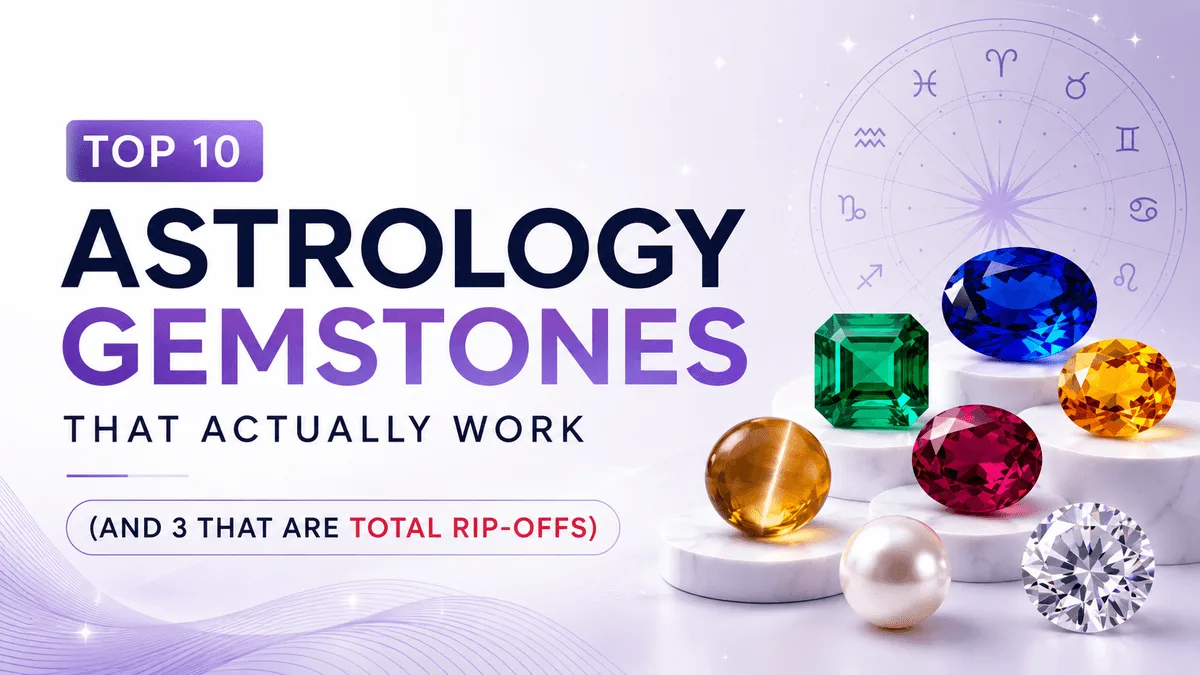
Beyond structural geology, we respect the enduring cultural impact of astrological gemstones and birthstones. For centuries, specific minerals have been assigned to zodiac signs and birth months, carrying immense symbolic weight. Whether examining the protective lore of amethyst or the grounding energy associated with onyx, these historical associations drive significant market demand. We analyze these traditional meanings while grounding them in factual gemological realities, ensuring buyers understand the physical limitations of their chosen talisman.
Treatments and Enhancements
We emphasize absolute transparency regarding gemstone treatments. The vast majority of colored stones on the market undergo some form of enhancement. Sapphires and rubies are routinely heat-treated to dissolve rutile inclusions and intensify color—a permanent, widely accepted practice. Emeralds are almost universally oiled to improve clarity. However, treatments like beryllium diffusion or lead-glass filling significantly reduce a stone's intrinsic value. We mandate that buyers demand full disclosure of all treatments prior to purchase, as these directly impact both the financial value and required maintenance protocols of the gemstone.