Introduction
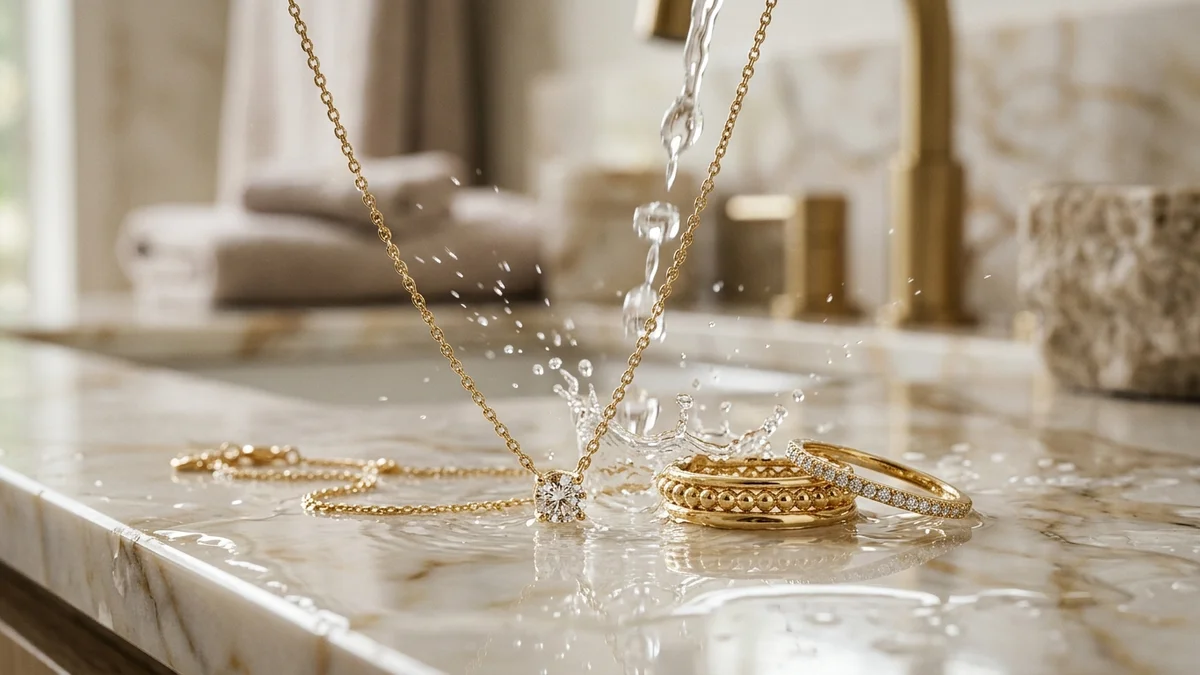
For many fine jewelry lovers, a cherished 14K gold necklace, ring, or pair of stud earrings becomes a natural extension of daily style. a signature piece that rarely leaves the body. As daily routines unfold, wearing your favorite pieces directly into the shower is often an effortless habit. Yet as warm steam rises and lather builds, a common question arises: can you shower with 14K gold jewelry without ruining its luster or harming its strength?
While solid 14K gold is naturally durable and water-resistant, daily water contact introduces subtle factors. from hard water minerals and surfactant-heavy body washes to the delicate anatomy of gemstone settings and clasps. Understanding how solid gold, gold-filled, gold vermeil. And gold-plated pieces behave under shower conditions is the key to enjoying your jewelry daily while keeping it radiant for decades to come.
Understanding 14K Gold: What You're Wearing
Before discussing water contact, it helps to understand what 14K gold is.
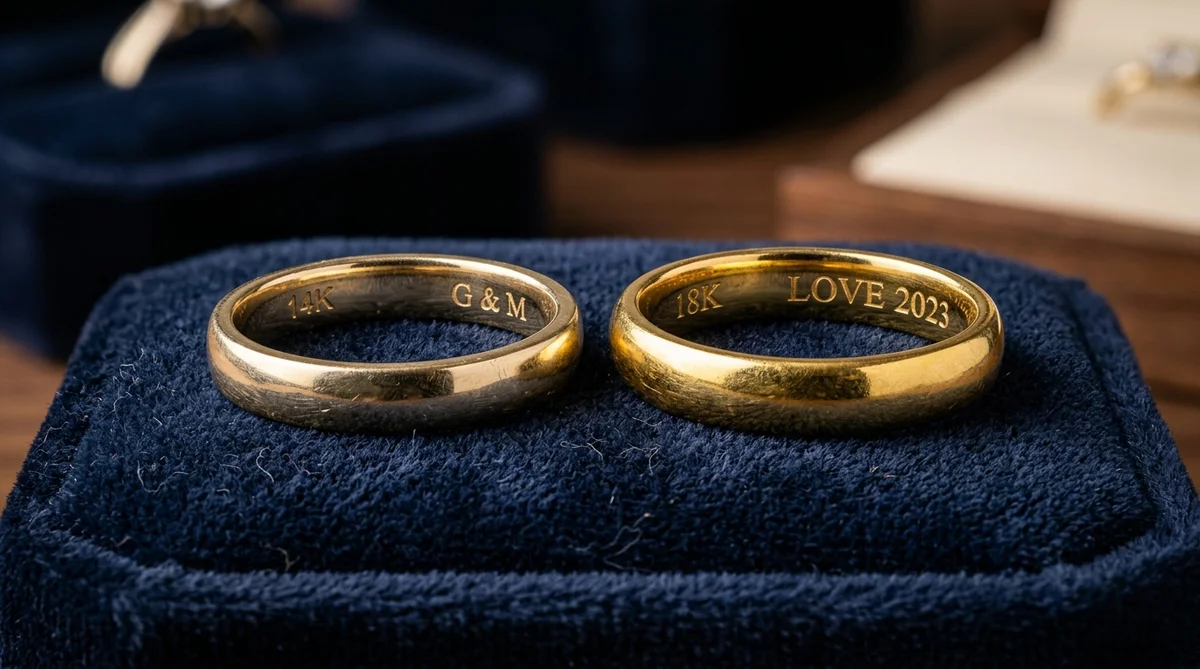
Pure gold (24K) is a soft, highly malleable metal. To make it durable enough for rings, chains, earrings. And bracelets, it is alloyed with other metals such as silver, copper, zinc, nickel, or palladium. In 14-karat gold, 58.3% of the metal is pure gold. the remaining 41.7% consists of these alloy metals.
This makeup matters for two reasons:
Gold itself is highly resistant to corrosion and oxidation. It does not rust, it does not react with water. And it does not tarnish under normal conditions.
The alloy metals can, over long periods and under certain chemical conditions, react. Copper can oxidize. Silver can tarnish. These reactions are slow and typically require more aggressive contact than a quick shower provides. But they are the reason 14K gold behaves slightly differently from 24K gold in harsh places.
The key distinction to keep in mind throughout this article: solid 14K gold is a different material from gold-plated, gold-filled, or gold vermeil jewelry. A recommendation that applies to one does not automatically apply to the others.
Solid Gold vs. Gold-Plated vs. Gold-Filled vs. Vermeil: Why It Matters
This is the single most important distinction in this entire article.
Solid 14K Gold
The entire piece. through and through. is 14-karat gold alloy. There is no layer to wear off. Contact to water, soap, or mild products may cause surface buildup. But the underlying material remains gold.
Solid 18K Gold
Contains 75% pure gold and 25% alloy metals. It is slightly softer than 14K gold and, because it contains a higher proportion of pure gold, is even more chemically inert. However, its softness makes it slightly more open to scratching and mechanical wear.
Gold-Filled Jewelry
A thick layer of gold (typically 5% or 1/20th of the total weight by law in the U.S.) is mechanically bonded to a base metal core, usually brass or copper. It is far more durable than gold plating. But the gold layer can eventually wear through with years of friction and chemical contact. Explore our Gold-Filled Jewelry Guide for details.
Gold-Plated Jewelry
A very thin layer of gold (often less than 0.5 microns) is electroplated onto a base metal. This layer is fragile. Repeated contact to water, soap, friction. And chemicals accelerates wear and can expose the base metal underneath relatively quickly. See our Gold-Plated Jewelry Guide.
Gold Vermeil
A specific type of gold plating where a layer of gold (at least 2.5 microns thick. And typically 10K or higher) is plated over sterling silver. It is higher quality than standard gold plating but still has a finite gold layer over a reactive base. Learn more in our Gold Vermeil Guide.
Why this matters for showering: If you shower with solid 14K gold, the worst realistic outcome is gradual surface dulling from residue buildup. If you shower with gold-plated jewelry, you are actively accelerating the loss of the gold layer. These are not comparable situations. And treating them as such leads to poor jewelry care decisions.
What Shower Water Does to Solid 14K Gold
Let us address the water itself, because much of the anxiety around this topic is based on an overestimation of what ordinary water can do to a stable metal alloy.
Ordinary Tap Water
Tap water does not chemically attack solid 14K gold. Gold does not react with H₂O. You will not step out of the shower and find your ring dissolving or your chain disintegrating. The metal is stable.
Hot Water
Hot water does not damage solid gold. Gold has a melting point of 1,064°C (1,947°F). Shower water, even at its hottest, is around 40–50°C (104–122°F). There is no thermal concern. However, hot water can slightly open the pores of skin and can make soap and product residues more likely to cling to jewelry surfaces. It can also speed up the drying effect on any leather or organic components if your piece includes them.
Hard Water
Hard water contains dissolved minerals. primarily calcium and magnesium. These minerals do not chemically damage gold. But they can leave a faint film or water spots on the surface of jewelry, contributing to a dull appearance over time. This is a cosmetic issue, not structural damage. And it is resolved with gentle cleaning.
Long-Term Repeated Contact
A single shower is inconsequential. Thousands of showers over years, combined with soap, shampoo. And hard water minerals, can contribute to gradual surface buildup that makes jewelry look less brilliant. This is not the gold degrading. it is residue accumulating in crevices, under settings. And along textured surfaces.
Water Spots
If water dries on jewelry without being wiped, mineral deposits can leave small spots. On solid gold, these wipe away easily. On gold-plated or vermeil pieces, the concern is less the spots themselves and more the repeated wetting-and-drying cycle that can contribute to layer degradation over time.
Soap Residue
This is arguably the most relevant factor in routine showering. Soap, body wash, shampoo. And conditioner leave behind a thin film. On smooth gold surfaces, this is minor. In textured designs, under gemstone settings, inside chain links. And around prongs, residue accumulates and can make jewelry look dull, dingy, or slightly discolored. The gold is not damaged. the surface is dirty.
Bottom line on water: Ordinary shower water is not the enemy of solid 14K gold. The real culprits, if any, are the products you use in the shower and the long-term buildup they create.
Soap, Shampoo. And Personal Care Products: What They Do
There is a wide gap between "soap leaves a film on your ring" and "soap chemically destroys your jewelry." The truth, for solid 14K gold, sits firmly in the first category.
Soap and Body Wash
Most modern soaps and body washes are mildly alkaline or pH-balanced. They do not contain chemicals aggressive enough to attack gold or its common alloy metals in any meaningful way during a shower. What they do leave behind is a residue. fatty acids, moisturizers, fragrances. that can build up on jewelry surfaces.
Shampoo and Conditioner
Shampoos contain surfactants. And conditioners contain silicones, oils. And emollients. These ingredients are designed to coat hair. And they coat jewelry too. Conditioner in particular can leave a waxy film that settles into small crevices in jewelry, dulling its appearance.
Lotion and Oils
Applied after showering, lotions and body oils create another layer of film. They do not corrode gold. They do make it look less shiny until cleaned.
Perfume and Hair Products
Perfumes contain alcohol and various aromatic compounds. Hair sprays, gels. And serums contain polymers and alcohols. These are more relevant to jewelry worn near the neck, ears. And wrists. They can contribute to buildup and, in the case of certain perfume chemicals, may very slowly interact with alloy metals over months and years. However, this is a gradual cosmetic effect, not acute damage.
The Critical Distinction
| Effect Type | What It Means | Example |
|---|---|---|
| Surface buildup / cosmetic dulling | Residue accumulates. jewelry looks less shiny. Reversible with cleaning. | Soap film, conditioner residue, hard water spots. |
| Actual material damage | The metal itself is altered, corroded, or structurally weakened. | Chlorine contact to alloy metals over extended time. acid contact. |
For solid 14K gold in a normal shower, you are dealing with the first category. For gold-plated jewelry, repeated contact to these products can contribute to the second category by accelerating the breakdown of the thin gold layer.
Chlorine, Swimming Pools, Hot Tubs. And Salt Water: A Different Conversation
This is where the guidance shifts meaningfully. Shower water and pool water are not the same. And the distinction matters.
Chlorine in Swimming Pools and Hot Tubs
Chlorine is a strong oxidizing agent. In swimming pools, chlorine concentration typically ranges from 1 to 3 parts per million (ppm). Hot tubs may use bromine or chlorine at similar or slightly higher concentrations.
Gold itself does not react with chlorine under normal conditions. However, the alloy metals in 14K gold. especially copper and silver. can react with chlorine over time. Prolonged or repeated contact to chlorinated water can cause:
- Surface discoloration or darkening of the alloy components
- Gradual pitting or roughening of the metal surface in extreme cases
- Weakening of solder joints in older or delicate pieces
This does not mean a single swim will ruin your ring. But regular, repeated swimming in chlorinated pools while wearing 14K gold jewelry is a more aggressive contact than daily showering. And it warrants more caution.
Salt Water and Ocean Swimming
Salt water is corrosive to many metals. For solid gold, brief ocean contact is unlikely to cause visible damage. However, salt can be abrasive. And it can speed up corrosion of alloy metals over time. Salt can also work into small crevices, under settings. And into chain links, where it is difficult to rinse out completely.
Practical Guidance
Routine showering with solid 14K gold: Low concern.
Occasional ocean swimming: Low to moderate concern. rinse jewelry with fresh water afterward.
Regular swimming in chlorinated pools: Moderate concern. remove jewelry or limit contact.
Hot tubs with high chlorine/bromine levels: Higher concern. removing jewelry is advisable.
Gold-plated or vermeil jewelry in any of the above: High concern. remove before swimming.
Gemstones, Settings. And Construction: When the Answer Changes
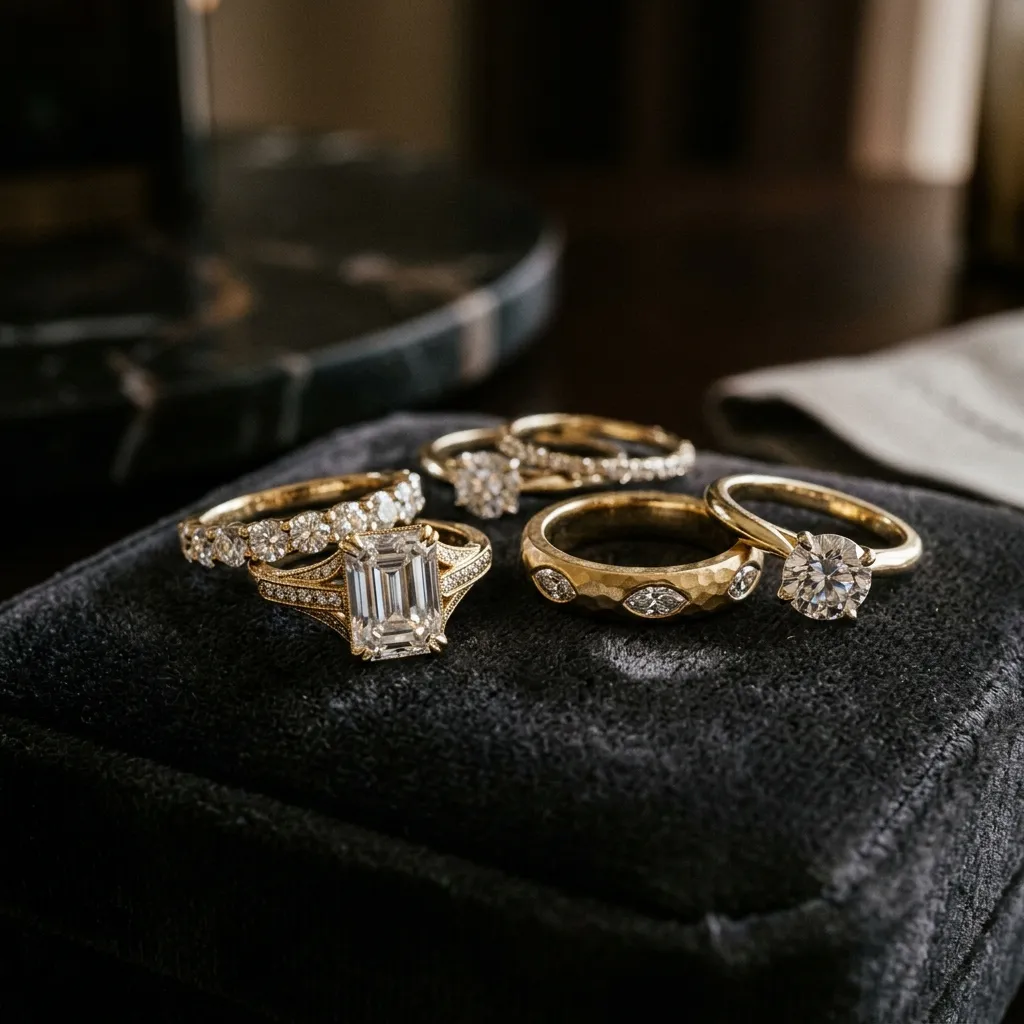
A solid 14K gold band with no stones is one thing. A 14K gold ring with an opal, a delicate prong-set diamond, a hollow bangle, or an detailed filigree design is another. The metal may be the same. But the overall piece has different vulnerabilities.
Gemstone Sensitivity
Not all gemstones tolerate water, heat, or chemicals equally.
Diamonds, sapphires. And rubies are highly durable and generally unaffected by shower water or mild soap.
Opals, pearls, turquoise, emeralds (which are often oil-treated). And amber are porous, treated, or organic. They can absorb water, lose their treatment, crack from thermal shock, or become discolored. Showering with these stones is not advisable.
Treated gemstones (heat-treated, fracture-filled, dyed) may have their treatments compromised by hot water, steam, or chemicals.
Settings and Prongs
Soap and product residue can accumulate around prongs and under settings. Over time, this buildup can make it harder to inspect whether a stone is secure. It does not typically loosen prongs by itself. But it can mask early signs of wear.
Clasps, Chains. And Moving Parts
Lobster clasps, spring ring clasps, necklace chains, and hinged elements have small moving parts. Residue buildup can make them stiff or less reliable over time. This is a care issue rather than a material failure. But it is worth noting.
Hollow and Delicate Construction
Hollow gold jewelry (common in some bangles, earrings. And lightweight chains) can trap water inside if there are small openings. Trapped moisture, combined with soap residue, can cause interior discoloration or, in rare cases, affect any non-gold components.
The Practical Rule
If your 14K gold jewelry contains porous gemstones, organic materials, delicate settings, or hollow construction, treat it with more care than a plain solid gold band. Remove it before showering, or at minimum before using heavy products.
Can You Shower With 14K Gold? The Decision Guide
Can You Shower With 14K Gold?
Yes, if it is solid 14K gold without sensitive gemstones or delicate construction. Water, mild soap. And shampoo will not damage the metal. You will not ruin a solid 14K gold chain or a simple stud earring by wearing it in the shower.
Should You Shower With 14K Gold Every Day?
You can. But it is not the ideal long-term habit. Daily showering with jewelry accelerates surface buildup, requires more frequent cleaning. And introduces small cumulative risks (catching a chain on a loofah, loosening a clasp, trapping conditioner under a setting). If your jewelry is simple and solid, the risk is low. If it is detailed, gemstone-set, or sentimental, removing it is the easier path.
When Should You Remove It?
Remove your 14K gold jewelry (and certainly any gold-plated, filled, or vermeil pieces) before:
- Swimming in chlorinated pools or hot tubs
- Swimming in the ocean, especially for extended periods
- Using harsh cleaning chemicals (bleach, ammonia-based cleaners, oven cleaners)
- Applying hair dye, chemical treatments, or strong solvents
- Heavy physical activity where the jewelry could catch, bend, or sustain impact
- Showering, if the piece contains opals, pearls, emeralds, turquoise, or other porous/organic stones
- Showering, if the piece is gold-plated, gold-filled, or vermeil and you want to boost its lifespan
For plain solid 14K gold in a normal shower, removal is a preference, not a necessity.
Comparison Table: Jewelry Type vs. Water Contact
| Jewelry Type | Shower | Swimming (Pool) | Swimming (Ocean) | Main Concern | Best Practice |
|---|---|---|---|---|---|
| Solid 14K Gold | Generally fine for simple pieces | Occasional: low risk. Frequent: remove. | Occasional: low risk. Rinse after. | Soap/product buildup. chlorine to alloys over time | Rinse and dry after contact. clean periodically |
| Solid 18K Gold | Generally fine for simple pieces | Occasional: low risk. Frequent: remove. | Occasional: low risk. Rinse after. | Slightly softer. more prone to scratching. chlorine to alloys | Same as 14K. handle with slightly more care due to softness |
| Gold Filled | Occasional: acceptable. Daily: accelerates wear. | Remove. | Remove. | Gold layer wear at edges and high-friction points | Remove before swimming. limit shower contact. dry thoroughly |
| Gold Plated | Remove. | Remove. | Remove. | Thin gold layer wears off. base metal contact | Keep dry. wipe with soft cloth after any moisture contact |
| Gold Vermeil | Remove. | Remove. | Remove. | Gold layer over sterling silver. tarnish risk to silver base | Keep dry. store properly. avoid all prolonged water contact |
Note: "Generally fine" for solid gold assumes simple construction without porous gemstones, hollow elements, or delicate settings. Adjust accordingly.
14K Gold Jewelry Care Routine
After Shower Care (If You Wear Your Jewelry In)
1. Rinse the piece briefly under clean, lukewarm water to wash away soap and product residue.
2. Pat dry with a soft, lint-free microfiber cloth. Do not rub aggressively, especially on textured or brushed finishes.
3. Check settings and clasps periodically. Make sure stones are secure and clasps function properly.
4. Air-dry completely before storing. Trapped moisture in a closed jewelry box can contribute to slow tarnishing of alloy metals over time.
Best Cleaning Routine
For solid 14K gold without sensitive gemstones:
1. Fill a small bowl with warm water (not hot).
2. Add a few drops of mild, fragrance-free dish soap.
3. Soak the jewelry for 15–20 minutes to loosen buildup.
4. Gently scrub with a soft-bristled toothbrush (a baby toothbrush works well), paying attention to the backs of settings, chain links. And textured areas.
5. Rinse thoroughly under lukewarm running water.
6. Pat dry with a soft cloth and allow to air-dry completely.
For pieces with gemstones, check whether the specific stone is safe for soaking. When in doubt, wipe gently with a damp cloth instead of submerging.
What NOT to Use
Bleach, ammonia, or chlorine-based cleaners: These are aggressive oxidizers and can attack alloy metals.
Abrasive toothpaste, baking soda pastes, or scouring pads: These scratch gold surfaces, especially higher-karat gold.
Ultrasonic cleaners for gemstone jewelry: Unless you are certain the stones and settings can tolerate them. Ultrasonic vibrations can loosen settings and damage porous or treated stones.
Commercial jewelry dips containing harsh chemicals: Unless specifically formulated for gold and confirmed safe for any gemstones present.
Boiling water: Unnecessary and potentially risky for any non-metal components.
Storage
Store pieces individually in soft pouches, lined jewelry boxes, or compartmentalized trays to prevent scratching.
Keep jewelry in a cool, dry place away from direct sunlight and humidity.
Do not store jewelry while it is still damp. Ensure it is fully dry first.
Keep chains fastened and laid flat or hung to prevent tangling.
Avoid storing gold jewelry loosely with other metals or harder gemstones that could scratch it.
For more on keeping your pieces in top condition, explore our Jewelry Care Guide and Jewelry Cleaning Guide for deeper routines and product-specific advice.
Common Myths About Showering With Gold
MYTH: "Water automatically tarnishes 14K gold."
REALITY: Pure gold does not tarnish. And the alloy metals in 14K gold are not a lot affected by water alone under normal conditions. What people often mistake for "tarnish" after showering is soap residue, hard water film, or product buildup on the surface. This is cosmetic and reversible with gentle cleaning. True tarnishing of 14K gold requires more aggressive chemical contact over time, such as prolonged contact with sulfur compounds, chlorine, or industrial chemicals.
MYTH: "If something says 14K gold, it is safe for every situation."
REALITY: The "14K" marking tells you the gold content of the metal. But it does not tell you about the construction, the gemstones, the treatments, or whether the piece is solid, plated, or filled. A 14K gold-plated ring and a solid 14K gold ring will behave very differently in water. Additionally, a solid 14K gold ring with an opal has different care needs than a plain solid 14K gold band. The material is one factor. the design and components are others.
MYTH: "You must remove all gold jewelry before every shower or it will be ruined."
REALITY: For solid 14K gold in good condition without sensitive gemstones, occasional or even regular showering is unlikely to cause meaningful damage. The metal is stable. The concern is gradual buildup, not acute harm. This does not mean you should never take it off. But the urgency is often overstated for simple solid gold pieces. The guidance is very different for gold-plated or vermeil jewelry, where water contact genuinely shortens the piece's attractive lifespan.
MYTH: "Shampoo and conditioner chemically dissolve gold."
REALITY: Shampoo and conditioner do not dissolve gold. They leave residues that can dull the appearance of jewelry. There is a meaningful difference between a surface film that makes a ring look slightly less shiny and actual chemical degradation of the metal. A gentle cleaning restores the appearance.
Can You Wear 14K Gold Every Day?
Yes. Solid 14K gold is one of the most practical choices for everyday wear. It is harder and more scratch-resistant than 18K or 24K gold due to its higher alloy content, making it well-suited for rings, bracelets. And other pieces that encounter daily friction.
However, "everyday wear" does not mean "never take it off." Even the most durable jewelry benefits from being removed during high-risk activities: swimming, heavy cleaning, sports. And sleeping (to avoid catching or bending). Everyday wear with reasonable care is the sweet spot.
If you are deciding between karats for a daily-wear piece, our 14K vs 18K Gold Comparison breaks down durability, color. And value considerations in detail. For a broader overview of gold types, see our Gold Jewelry Guide.
Often Asked Questions
Can you shower with solid 14K gold every day?
Yes, solid 14K gold will not corrode, dissolve, or rust from daily shower water. However, soaps, shampoos. And hard water minerals leave a thin waxy film over time that dulls its mirror finish. If you wear it daily in the shower, plan on gentle monthly dish soap soaks to keep its brilliance alive.
Will 14K white gold turn yellow if I shower with it?
Frequent showering can speed up the natural wear of the micro-thin rhodium plating on 14K white gold due to hot water, body scrubs. And towel friction. As rhodium thins, the warm natural yellowish undertone of white gold becomes visible. Re-plating every 12 to 18 months restores its mirror-white sheen.
Can the clasp on a 14K gold chain rust from shower water?
Yes, this is one of the most overlooked risks. While the gold body of a lobster or spring-ring clasp is rustproof, the tiny internal spring mechanism inside is typically made of high-tensile steel. Repeated water trapped inside can cause the internal spring to rust, stick, or snap over time. Always pat clasps thoroughly dry.
Can you shower with a 14K gold diamond engagement ring?
While water won't harm diamonds or 14K gold prongs, body washes and conditioners coat the underside pavilion facets with a cloudy film, drastically killing light reflection and sparkle. Also, loofahs and washcloths can catch on delicate prongs. And wet, soapy hands make rings prone to slipping down the drain.
Does 14K rose gold react or tarnish in the shower?
14K rose gold contains a higher percentage of copper (roughly 38% copper alloy) to create its warm pink tone. While normal shower water is safe, sulfur-containing shampoos (like anti-dandruff formulas) or sulfur-rich well water can slowly darken the copper alloy over time, requiring a quick polishing cloth pass.
Can you shower with 14K gold nose rings or cartilage piercings?
Yes, solid nickel-free 14K gold is biocompatible and safe for fully healed body piercings in the shower. Running warm water over the piercing helps flush out dead skin cells and sebum. ensure you rinse away all shampoo residues and gently dry the area afterward.
Why does my 14K gold look dull or cloudy after showering?
Dullness is almost never metal wear. it is caused by calcium/magnesium minerals in hard water bonding with moisturizing fatty acids and silicones found in body washes and conditioners. A 15-minute soak in warm water with a drop of Dawn dish soap instantly cuts the film and restores full luster.
Is it safe to shower with hollow 14K gold jewelry?
No. Hollow chains, tube earrings. And puffy bangles contain microscopic laser-drilled breathing holes. Shower water and soapy suds seep inside the hollow cavity, where trapped moisture cannot evaporate easily. This leads to internal discoloration, foul mildew odor. And gradual solder degradation.
What happens if you shower with gold-plated or vermeil jewelry?
Showering rapidly destroys plated and vermeil jewelry. Water, surfactants. And towel friction strip the microscopic gold layer within weeks, exposing the underlying brass or 925 sterling silver core. This results in severe black tarnish, green skin discoloration. And peeling. Always keep plated items bone-dry.
Does trace chlorine in tap water damage 14K gold?
Municipal tap water contains only trace disinfectant chlorine levels (0.2 to 2.0 ppm). This is generally safe for brief shower contact with solid 14K gold. However, swimming pools (with 3.0 to 5.0+ ppm) and hot tubs contain concentrated oxidizers that cause severe stress corrosion cracking in gold alloys.
Can you wear 14K gold in a hot tub, sauna, or steam room?
Never wear fine jewelry in hot tubs or saunas. Hot tubs combine extreme heat with concentrated chlorine/bromine. This chemically attacks solder seams and prongs. Saunas and steam rooms heat metal rapidly, risking skin burns and weakening heat-sensitive gemstone mountings.
Which gemstones in 14K gold should NEVER go in the shower?
Never shower with porous or organic stones: pearls, opals, turquoise, amber, coral. And oil-treated emeralds. Hot water and soaps strip the protective oil treatments from emeralds and cause pearls and opals to absorb moisture, lose iridescence, or crack from thermal expansion shock.
How do you restore shine to 14K gold after shower buildup?
Submerge the gold piece in a bowl of lukewarm water mixed with a few drops of blue Dawn dish soap for 15 minutes. Use an ultra-soft baby toothbrush to gently scrub behind stone baskets and link joints. Rinse under lukewarm water (with the drain covered) and buff dry with a lint-free microfiber cloth.
Is 14K or 18K gold better for daily shower and 24/7 wear?
14K gold is a lot harder and more scratch-resistant than 18K gold due to its 41.7% alloy content, making it far superior for active 24/7 lifestyles and shower wear. 18K gold contains 75% pure gold and is chemically more inert. But it is substantially softer and dents/scratches more easily during daily handling.
What should you do if your 14K gold was exposed to pool chlorine?
Immediately flush the piece under clean fresh running water for at least 60 seconds to dilute remaining chlorine. Soak it in warm water with mild dish soap to neutralize chemical residues, pat dry with a soft cloth. And have a jeweler inspect delicate prongs and solder joints during your next routine checkup.
Final Verdict
BEST PRACTICE FOR SOLID 14K GOLD:
Simple solid 14K gold pieces. plain bands, chains, studs. can handle routine shower contact without damage. The primary effect is cosmetic buildup. This is resolved with periodic gentle cleaning. If you prefer to lower care, remove jewelry before showering. If you forget, do not worry.
USE CAUTION:
14K gold jewelry set with porous, treated, or organic gemstones (opals, pearls, emeralds, turquoise, amber). 14K gold pieces with delicate construction, hollow elements, or detailed settings. 18K gold. This is slightly softer. In these cases, removing jewelry before showering, swimming, or applying heavy products is the wiser choice.
AVOID:
Wearing any gold jewelry. solid, filled, plated, or vermeil. in chlorinated pools, hot tubs, or during heavy chemical cleaning. Avoid showering or swimming with gold-plated and gold vermeil jewelry if you want to preserve the gold layer. Avoid harsh cleaners, abrasives. And ultrasonic methods unless you are certain they are safe for your specific piece.
DO NOT GENERALIZE:
Solid 14K gold, gold-filled jewelry, gold-plated jewelry. And gold vermeil are different in construction and durability. Advice that applies to one does not apply to the others. Always consider the specific type of jewelry you own, its construction. And any gemstones it contains.
The goal is not to wrap your jewelry in cotton wool. It is to understand what affects it, what does not. And where the genuine risks lie. Armed with that knowledge, you can wear your gold confidently and keep it looking beautiful for years.
For more guidance on choosing, caring for. And understanding your gold jewelry, explore our Gold Jewelry Guide, Jewelry Care Guide, Jewelry Tarnish Guide. And Jewelry Cleaning Guide. If you are comparing gold types for your next purchase, our Gold-Filled Jewelry Guide and Gold Vermeil Guide offer detailed breakdowns.
Sources & Methodology
This article was researched and written in accordance with the Oshinic Jewels Editorial Policy. Claims regarding gemstone quality, metal durability, pricing, sizing, and skin health were independently verified against the following authoritative industry standards:
- World Gold Council (WGC): Technical data on gold alloys, purity, and market trends. View Standards
- London Bullion Market Association (LBMA): Precious metal pricing and responsible sourcing guidelines. View Standards
- Federal Trade Commission (FTC): Marketing guidelines for precious metals, vermeil, and plating. View Standards