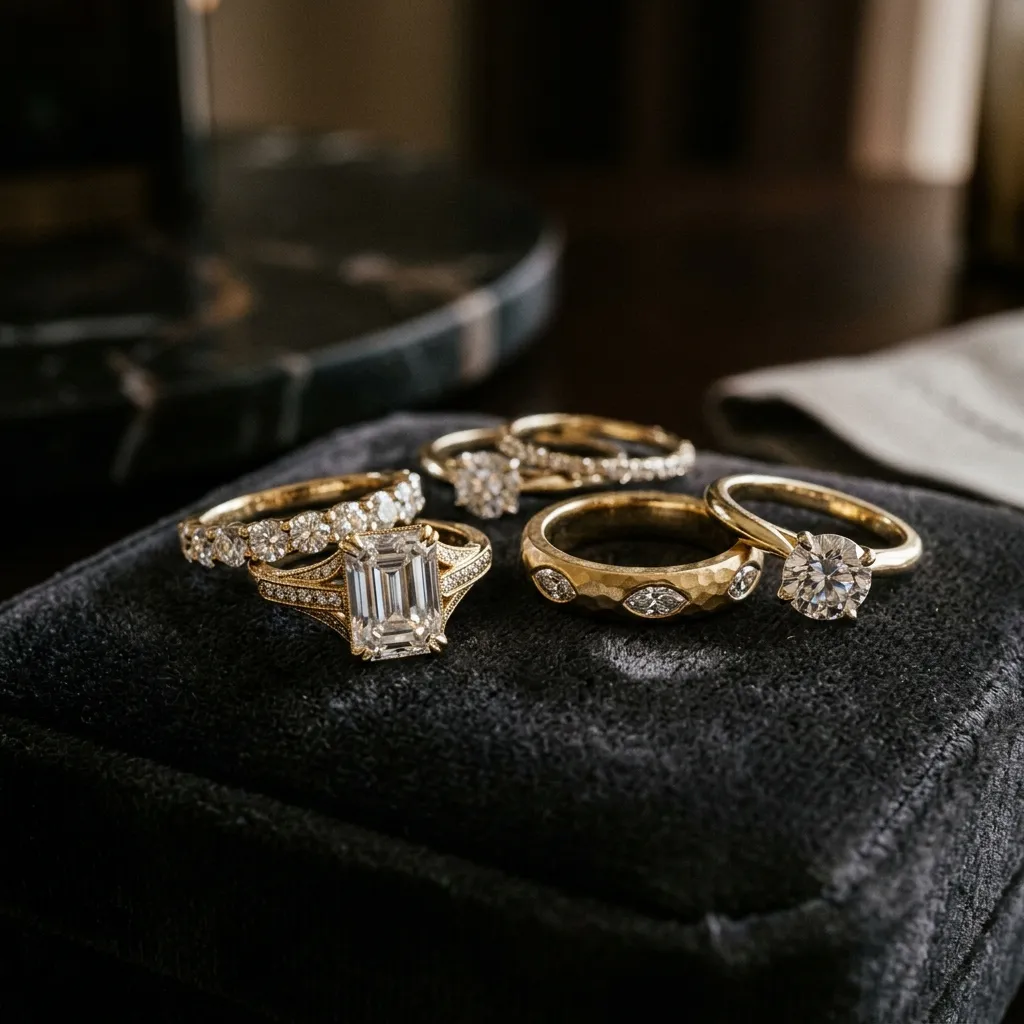
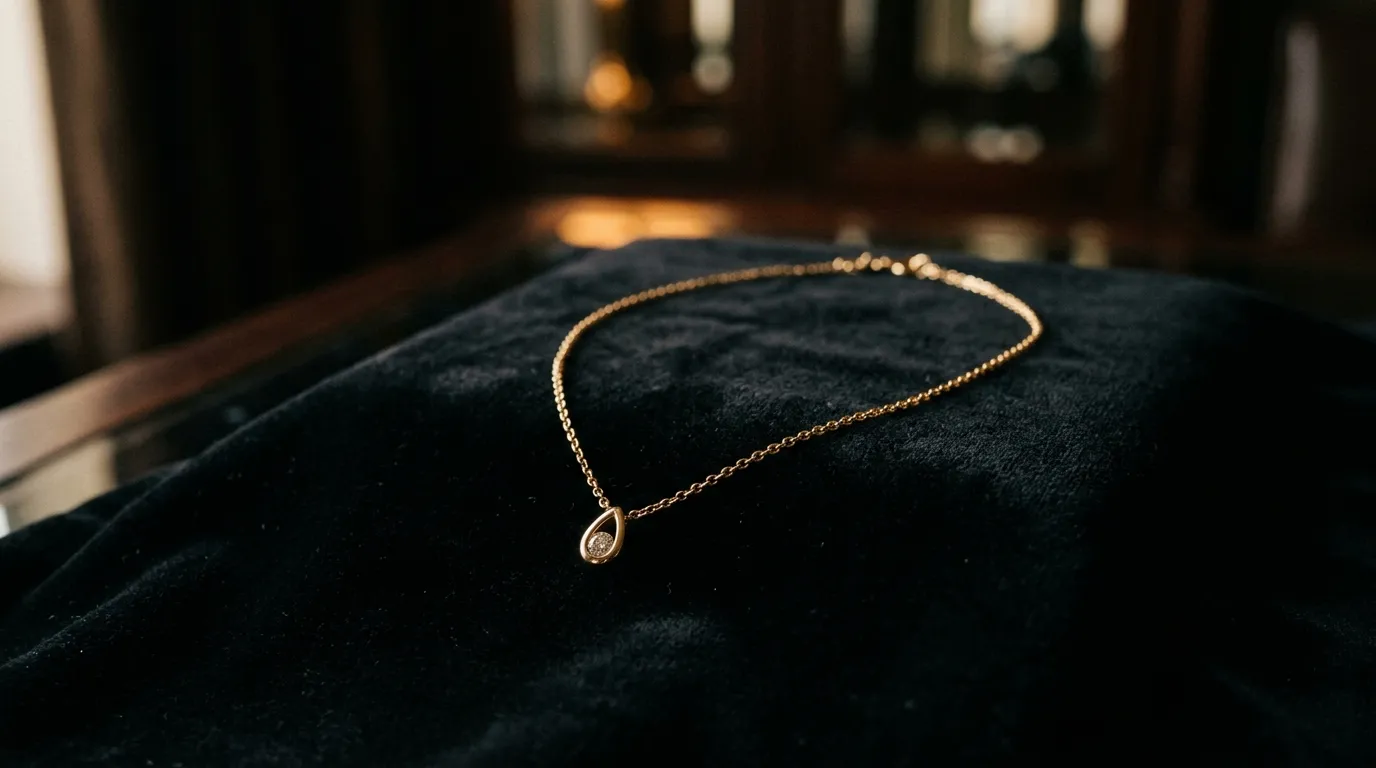
Are Lab-Grown Diamonds Worth Buying in 2026? An Honest Guide
Lab-grown diamonds have moved from a niche alternative to a mainstream choice for engagement rings and fine jewelry. They look like mined diamonds, share essentially the same material properties, and can receive reports from established gemological laboratories. Their lower prices also let buyers consider larger stones or higher specifications without increasing their budgets.
That value comes with an important trade-off. Laboratory-grown diamond production continues to expand, and improved technology can reduce manufacturing costs. A ring may remain beautiful for decades, but its center stone may sell for far less than its original retail price.
The decision therefore depends on what “worth buying” means to you. If it means obtaining an attractive diamond at an accessible price, the answer is often yes. If it means rarity, stable pricing, or investment potential, the answer is less favorable.
This guide examines quality, cost, resale, production, certification, sustainability, treatments, and long-term ownership so you can make a realistic decision in 2026.
What Is a Lab-Grown Diamond?
A lab-grown diamond is a diamond crystal produced in a controlled manufacturing environment rather than extracted from the earth. It consists primarily of crystallized carbon arranged in the same characteristic structure found in a mined diamond.
The most accurate consumer terms include “laboratory-grown,” “laboratory-created,” and “lab-grown.” Sellers should clearly disclose this origin because it materially affects rarity, price, and purchasing expectations.
Lab-grown diamonds aren’t imitation diamonds. They differ from cubic zirconia, moissanite, glass, and other materials that may resemble diamonds without sharing the same composition and crystal structure.
Their growth origin is different, but their identity as diamonds is well established. They can display the same brilliance, fire, transparency, hardness, and range of quality characteristics as mined diamonds.
Laboratories can also grow diamonds with inclusions, color zoning, strain patterns, or other features. A laboratory origin doesn’t automatically guarantee flawless clarity, perfect color, or excellent cutting. The individual stone still needs to be evaluated.
Are Lab-Grown Diamonds Real Diamonds?
Yes. Lab-grown diamonds are real diamonds based on their chemical composition, physical properties, optical behavior, and crystal structure.
They are not, however, natural diamonds. The word “natural” refers to diamonds formed through geological processes in the earth over immense periods. Laboratory-grown diamonds form through technological processes over a much shorter period.
This distinction affects origin and market value rather than whether the material is diamond. A properly disclosed laboratory-grown diamond shouldn’t be marketed as a mined or natural stone.
To the unaided eye, a high-quality lab-grown diamond can appear identical to a comparable mined diamond. A standard handheld diamond tester may also identify both as diamond because it measures properties such as thermal conductivity rather than geological origin.
Reliable separation often requires specialized equipment and analysis by a gemological laboratory. Growth structures, trace elements, fluorescence patterns, phosphorescence, inclusions, and spectroscopic characteristics may help trained professionals determine origin.
How Are Lab-Grown Diamonds Made?
Commercial lab-grown diamonds are primarily produced through High Pressure High Temperature growth or Chemical Vapor Deposition.
High Pressure High Temperature
High Pressure High Temperature, commonly abbreviated as HPHT, recreates aspects of the conditions under which diamonds form in nature. A small diamond seed is placed with a carbon source inside specialized equipment that generates extreme pressure and temperature.
The carbon dissolves in a metallic flux and crystallizes around the seed. Over time, this process produces a larger diamond crystal that can be cut and polished.
HPHT-grown diamonds may contain metallic inclusions or show characteristics related to their growth environment. Some can respond to magnets when sufficiently large metallic inclusions are present, although this isn’t a reliable consumer identification method.
HPHT processing may also be used after growth to improve the apparent color of some laboratory-grown or mined diamonds. A grading report should disclose detectable post-growth treatment.
Chemical Vapor Deposition
Chemical Vapor Deposition, or CVD, grows diamond in a chamber containing carbon-rich gas. A thin diamond seed is placed inside the chamber, and energy is used to activate the gases. Carbon atoms then accumulate on the seed in layers.
CVD diamonds can show growth striations, strain, nonuniform color, or dark inclusions. Manufacturers may use post-growth treatment to improve color.
Neither method is automatically superior. Excellent and poor-quality diamonds can result from both processes. Growth method matters less to most jewelry buyers than cut quality, appearance, treatment disclosure, price, and independent grading.
Lab-Grown vs. Mined Diamonds
| Factor | Lab-Grown Diamond | Mined Diamond |
|---|---|---|
| Material | Crystallized carbon | Crystallized carbon |
| Formation | Created using HPHT or CVD technology | Formed naturally over billions of years |
| Origin | Laboratory-grown | Earth-mined |
| Appearance | Visually identical to natural diamonds | Natural diamond appearance |
| Hardness | 10 (Mohs scale) | 10 (Mohs scale) |
| Durability | Excellent for daily wear | Excellent for daily wear |
| Color & Clarity | Wide range with high grades available | Wide range with natural variations |
| Typical Price | Usually 30-70% lower | Generally higher |
| Supply | Expandable through manufacturing | Limited by natural deposits |
| Rarity | Manufactured | Naturally rare |
| Resale Value | Limited and evolving | More established but often below retail |
| Certification | GIA , IGI , GCAL and others | GIA, AGS , IGI and others |
| Ethical Considerations | Depends on energy source and production practices | Depends on mining, labor, and sourcing practices |
| Environmental Impact | Varies by production method | Varies by mining operation and restoration efforts |
| Best Choice For | Buyers seeking maximum size and quality for their budget | Buyers who value natural origin and rarity |
| Long-Term Appeal | Strong for affordability and appearance | Strong for heritage, rarity, and tradition |
Why Do Lab-Grown Diamonds Cost Less?
Lab-grown diamonds cost less because their supply isn’t constrained by geological rarity in the same way as mined diamonds. Manufacturers can establish additional production capacity, improve growth cycles, and use technological developments to reduce costs.
Producing a high-quality crystal still requires advanced equipment, energy, technical knowledge, cutting, grading, and distribution. Yet the industry can increase output in response to demand more readily than natural diamond deposits can produce additional gem-quality rough.
Competition also affects prices. As more manufacturers enter the market and production becomes efficient, similar stones compete against one another. Retailers must adjust their pricing as wholesale replacement costs change.
The price gap between laboratory-grown and mined diamonds isn’t fixed. It varies by seller, shape, carat weight, color, clarity, cut quality, certification, and market conditions.
A low price doesn’t necessarily represent a bargain. Some retailers use high suggested prices followed by dramatic discounts, creating the impression of greater savings. Compare actual selling prices for similarly graded stones instead of relying on percentage-off claims.
Lab-Grown Diamond Prices and Value in 2026
Lab-grown diamonds remain substantially less expensive than comparable mined diamonds in many parts of the jewelry market. That makes them financially accessible at the time of purchase, but it doesn’t guarantee that today’s price will remain stable.
Production costs and wholesale prices have declined over time as technology, capacity, and competition have developed. Further reductions are possible. No seller can reliably guarantee where prices will be several years from now.
This creates two different meanings of value.
Wearable value is what you receive now: the beauty, size, craftsmanship, symbolism, and years of use a piece provides. By this standard, lab-grown diamonds can offer excellent value.
Financial value concerns what the diamond may be worth later. By this measure, lab-grown stones are less predictable. A future buyer may be able to purchase a newly manufactured diamond with similar grades for less, reducing demand for a pre-owned stone.
Consider a lab-grown diamond similarly to other manufactured luxury products. Its quality and emotional importance may endure even if its resale price declines.
The setting retains separate value. A well-made platinum or gold jewelry setting contains precious metal and skilled labor. Designer provenance or exceptional craftsmanship may also contribute to resale potential. The center diamond and the finished ring shouldn’t be treated as one undivided asset when assessing value.

Do Lab-Grown Diamonds Have Resale Value?
Lab-grown diamonds can have resale value, but the market is limited and offers vary widely. Some jewelers, online buyers, consignment companies, and private purchasers may accept them. Others don’t buy them at all.
Even when a buyer is available, the offer may be a small fraction of the original retail price. The reseller must account for grading verification, overhead, margins, market demand, and the possibility that a comparable new diamond will cost less by the time the pre-owned stone is sold.
Trade-in programs can be useful but require close reading. A retailer may offer credit only if the customer spends significantly more on an upgrade. The program may apply to the diamond but not the setting, labor, shipping, taxes, or damage. It may also depend on the original grading report and proof of purchase.
A buyback promise is only as strong as the company providing it. If the retailer closes, changes its policy, or excludes certain stones, the promise may have little practical value.
Anyone who expects to resell within a few years should be conservative. Purchase a lab-grown diamond because you want to wear it, not because you expect to recover most of the price.
Are Lab-Grown Diamonds an Investment?
Ordinary lab-grown diamonds shouldn’t be considered investments. Their expandable supply, changing production costs, and limited secondary market make future appreciation difficult to support.
Mined diamonds also require caution as investments. Retail jewelry includes markups for labor, distribution, branding, marketing, and store operations. Most ordinary mined diamonds don’t appreciate enough to offset those costs when resold by a consumer.
Exceptional natural diamonds with rare colors, important provenance, unusual size, or auction-level significance belong to a different market. Their performance doesn’t represent standard engagement-ring purchases.
A lab-grown engagement ring can still be financially sensible. Spending less on the diamond may preserve money for savings, housing, travel, debt reduction, or a better-made setting. That is practical budgeting, not investment return.
Understanding Lab-Grown Diamond Quality
Laboratory-grown diamonds are evaluated using the familiar Four Cs: cut, color, clarity, and carat weight. These characteristics influence appearance and price, but buyers shouldn’t assume the highest grades always provide the best value.
Cut
Cut has the greatest direct influence on how a polished colorless diamond handles light. A well-cut stone can appear bright, lively, and visually balanced. Poor cutting can make a diamond look dark, dull, uneven, or smaller than its weight suggests.
For round brilliant diamonds, recognized laboratories may provide an overall cut grade. Fancy shapes such as oval, pear, cushion, radiant, emerald, and marquise often require more individual visual assessment because a single overall cut grade may not appear on the report.
A laboratory-grown diamond shouldn’t receive relaxed cut standards simply because it costs less. Deeply cut stones may hide weight below the girdle, while shallow stones can leak light. Uneven outlines, severe bow ties, and unattractive facet patterns also reduce beauty.
Prioritize optical performance before paying for extreme color or clarity grades.
Color
Colorless to near-colorless diamonds are graded according to the absence of visible body color. In the widely used D-to-Z scale, D represents the highest colorless grade, while increasing letters indicate more noticeable yellow or brown color.
Many buyers don’t need a D-color diamond. A well-cut near-colorless stone may appear white in its setting, particularly when viewed face-up. The ideal grade depends on shape, size, metal color, lighting, and personal sensitivity.
Step cuts such as emerald and Asscher cuts can reveal body color more readily through their broad facets. Elongated brilliant cuts may concentrate color near their ends.
Yellow or rose 14k gold can complement slight warmth, while platinum and white gold may make color distinctions easier to notice. Compare diamonds in realistic lighting rather than relying only on the report.
Fancy-color lab-grown diamonds are also available. Their color may result from growth conditions or post-growth treatment. The report should describe the color origin or treatment when determinable.
Clarity
Clarity evaluates internal features called inclusions and surface characteristics called blemishes. Laboratory-grown diamonds can contain growth-related inclusions, clouds, pinpoint features, feathers, metallic remnants, graphitic material, or strain patterns.
A high diamond clarity grade isn’t necessary when a lower grade appears clean without magnification and doesn’t present durability concerns.
“Eye-clean” isn’t an official universal laboratory grade. Its meaning varies according to viewing distance, lighting, vision, diamond size, and seller standards. Ask for a clear definition and inspect magnified and normal-size images.
Be cautious when a diamond looks hazy despite receiving an acceptable clarity grade. Numerous small inclusions, strain, growth remnants, or poor transparency may affect appearance without being obvious from the grade alone.
Carat Weight
Carat measures weight rather than visible dimensions. Two one-carat diamonds can look different in size because of shape, depth, girdle thickness, and cutting proportions.
Lab-grown prices often allow buyers to pursue larger stones. That freedom can be appealing, but size should remain proportionate to the setting and lifestyle.
A very large diamond may require a stronger ring structure, larger prongs, and greater security. It can also sit higher, catch on clothing, or attract more attention than the wearer wants.
Compare length, width, depth, and face-up appearance alongside carat weight. A beautifully cut diamond slightly below a popular weight threshold may provide stronger visual and financial value.
Certification and Grading Reports
A significant lab-grown diamond should have an independent grading report from a recognized gemological laboratory. The report typically identifies the stone as laboratory-grown and records relevant characteristics such as measurements, carat weight, color, clarity, and shape.
Depending on the laboratory and report type, it may also include cut information, polish, symmetry, fluorescence, growth method, post-growth treatment, and a plotted or listed description of clarity characteristics.
A grading report isn’t an appraisal. It describes the diamond but doesn’t establish retail replacement value or predict resale price.
The word “certificate” is often used casually, but laboratories generally issue reports rather than guarantees. Verify the report number through the laboratory’s official database and ensure any laser inscription matches the documentation.
Laser inscriptions can help connect a diamond with its report. They aren’t impossible to alter, and they don’t replace professional verification. A jeweler or Jewelry Expert should confirm that the stone’s characteristics correspond with the report.
Be cautious with retailer-created documents that resemble independent reports. Check who performed the grading, whether the organization sells the diamond, and whether the report is verifiable.
IGI vs. GIA for Lab-Grown Diamonds
The International Gemological Institute and the Gemological Institute of America both issue documentation for laboratory-grown diamonds, though their report formats and terminology may evolve.
IGI has graded a large volume of laboratory-grown diamonds and is commonly encountered in retail inventories. GIA has extensive gemological authority and also provides laboratory-grown diamond services.
The laboratory name matters, but it shouldn’t replace inspection of the actual diamond. Compare grading standards, report details, treatment disclosures, and the stone’s visual performance.
Because report services and policies can change, confirm the current format directly with the issuing laboratory rather than relying on old examples from retailer websites.
Can a Jeweler Tell That a Diamond Is Lab-Grown?
A trained jeweler may notice features that suggest laboratory growth, but visual examination alone isn’t always conclusive. High-quality laboratory-grown and mined diamonds can appear identical under routine magnification.
Specialized screening instruments can identify diamonds requiring additional testing. Full origin determination may involve spectroscopy, fluorescence imaging, examination of growth structures, or other advanced methods.
A basic thermal diamond tester generally can’t distinguish laboratory-grown from mined diamond because both are diamond. Some devices can separate common simulants but aren’t designed to determine geological origin.
Independent documentation and reputable disclosure remain essential.
Sustainability and Environmental Claims
Lab-grown diamonds are often marketed as environmentally friendly, but the reality is more complicated.
Diamond growth requires energy. Environmental impact depends on the production method, efficiency, electricity source, facility location, equipment, treatment, cutting, transportation, and how emissions are measured.
A diamond produced using verified renewable electricity may have a different footprint from one grown using a fossil-fuel-intensive grid. Broad claims about all laboratory-grown diamonds overlook these differences.
Mined diamonds involve land disturbance, material movement, water use, energy consumption, and ecosystem risks. Responsible mining programs may support rehabilitation, worker protections, local infrastructure, and community revenue, but performance varies by operation.
Comparisons can be difficult because studies may use different boundaries and assumptions. Some assess only crystal growth or mine extraction, while others include cutting, transportation, facilities, and end-of-life impacts.
Look for specific evidence when sustainability affects your decision. Ask where the diamond was grown and cut, what energy sources were used, which independent standards were applied, and whether the claims cover the entire product or one stage.
Terms such as “eco-friendly,” “carbon-neutral,” or “sustainable” shouldn’t be accepted without explanation. Carbon neutrality may depend on purchased offsets rather than low-emission production. Offsets vary in quality and permanence.
Buying a pre-owned ring, reusing an existing diamond, or resetting an inherited stone may also reduce demand for new production. Sustainability isn’t limited to choosing between laboratory-grown and mined diamonds.
Ethics and Labor Considerations
Lab-grown diamonds avoid the direct mining of new rough, which may appeal to consumers concerned about conflict financing or mining conditions. That doesn’t make every laboratory supply chain automatically ethical.
Manufacturing facilities still employ workers, consume raw materials, use industrial equipment, and operate under local labor and environmental laws. Cutting and polishing may occur in a different country from crystal growth.
Ethical assessment should consider worker safety, wages, traceability, energy sourcing, manufacturing oversight, and honest disclosure.
Mined diamonds also vary considerably. Industry frameworks seek to reduce conflict-diamond trading, but critics have identified limitations in scope, enforcement, and coverage of broader human-rights concerns.
No origin category provides a complete ethical guarantee. Transparent sourcing and independently supported claims are more useful than broad marketing labels.
Durability and Everyday Wear
Lab-grown and mined diamonds share a Mohs hardness of 10, making both highly resistant to scratching. This does not make them highly durable.
Diamonds have cleavage directions along which they can split after a sufficiently forceful impact. Thin girdles, exposed points, and poorly positioned inclusions may increase vulnerability.
Round and oval diamonds have no sharp corners, while princess, pear, marquise, and heart shapes contain points that need protection. Emerald cuts have clipped corners, but secure prongs or a bezel remain necessary.
The ring setting usually experiences wear before the diamond. Prongs can loosen, bands can thin, and small accent stones can fall out. Periodic professional inspections help identify problems before a stone is lost.
Clean diamond jewelry with lukewarm water, mild dish soap, and a soft brush unless the setting or companion gemstones require different care. Avoid wearing the ring during weightlifting, gardening, heavy cleaning, repairs, or activities that can distort the metal.
Lab-Grown Diamond Engagement Rings
A lab-grown diamond is particularly compelling for an engagement ring when visual specifications matter more than natural rarity.
The savings may allow a buyer to choose a larger center stone, improve cut quality, select a durable platinum or gold setting, or preserve part of the budget for other priorities.
The ring should still be treated as a long-term purchase. A lower center-stone price doesn’t justify weak construction. Thin prongs, hollow galleries, poorly secured halos, and undersized bands can create repair problems.
Choose a setting that supports the exact dimensions and shape of the diamond. Fancy-shaped stones vary, and a generic mounting may not fit securely.
Consider the wedding band before finalizing the design. Low-profile settings may prevent a straight band from sitting flush. A custom curved or open band can solve the issue, but it affects cost and styling.
Discuss future replacement with your partner if resale or price decline could become emotionally sensitive. Some people care only that the diamond remains beautiful. Others attach importance to natural rarity or retained value. Neither preference is inherently wrong, but undisclosed assumptions can lead to disappointment.
Lab-Grown Diamonds for Earrings, Necklaces, and Bracelets
Laboratory-grown diamonds can offer especially strong practical value in jewelry where the stones are less likely to be resold individually.
Diamond stud earrings can reach a larger total carat weight without the price of equivalent mined stones. Cut matching, diameter, color, and visual consistency matter more than obtaining identical laboratory grades.
A pendant usually receives less impact than a ring, making it suitable for frequent wear. The chain and clasp require careful assessment because they are often the most vulnerable components.
Tennis bracelets and necklaces contain many diamonds, so laboratory-grown stones can significantly lower the total purchase price. Construction remains crucial. Check hinge strength, stone security, flexibility, clasp design, and the availability of replacement stones.
Small lab-grown diamonds used as accents may have little individual resale value, but the jewelry can still provide years of wear.
Lab-Grown Diamonds vs. Moissanite
Moissanite is a different gemstone, not a laboratory-grown diamond. Most jewelry-quality moissanite is manufactured, although tiny natural crystals exist.
Moissanite has a high refractive index and can display strong rainbow-colored fire. Some buyers love that appearance; others find it more colorful than a diamond.
It has a Mohs hardness of approximately 9.25, making it durable for regular jewelry wear. It generally costs less than lab-grown diamond, especially at larger sizes.
A lab-grown diamond is the better choice for someone who specifically wants diamond composition, traditional diamond optics, and diamond grading. Moissanite suits buyers who prioritize size, durability, and price while enjoying its distinctive brilliance.
Neither should be sold as the other. Proper disclosure is essential.
Lab-Grown Diamonds vs. Cubic Zirconia
Cubic zirconia is a diamond simulant with a different composition and lower hardness. It can look attractive when new but may scratch and lose its crisp appearance more readily during wear.
It is much less expensive than both laboratory-grown and mined diamonds. This makes it useful for travel jewelry, fashion pieces, or temporary rings.
Cubic zirconia is denser than diamond, so a stone with the same dimensions weighs more. It also handles light differently and may appear glassier over time as wear accumulates.
Choose cubic zirconia for affordability, not as an undisclosed substitute for diamond.
Complete Buying Guide
Who Should Buy a Lab-Grown Diamond?
A lab-grown diamond is well suited to someone who wants genuine diamond material, strong visual impact, and lower initial cost. It is particularly attractive for buyers who would rather allocate money toward craftsmanship, savings, a wedding, a home, or travel.
It also suits shoppers who want a large center stone or high grades without entering the price range of a comparable mined diamond.
A buyer who plans to keep and wear the jewelry rather than resell it is in the strongest position to benefit.
Who Should Avoid One?
A lab-grown diamond may not suit someone who places high importance on natural formation, geological rarity, traditional luxury, or established secondary-market demand.
It is also unsuitable for anyone expecting price appreciation or strong resale performance.
Buyers who would feel disappointed if an equivalent new diamond became cheaper should consider a smaller purchase, a pre-owned piece, an alternative gemstone, or a mined diamond selected with the same realistic understanding of resale.
Establishing a Budget
Set a total budget covering the center diamond, setting, wedding band, grading, taxes, insurance, maintenance, and possible resizing.
Avoid increasing the budget simply because laboratory-grown stones seem inexpensive relative to mined diamonds. A larger diamond isn’t automatically a better choice.
Decide what amount feels comfortable as a consumption expense. If losing most of the diamond’s resale value would create regret or financial hardship, spend less.
Prioritizing the Four Cs
Cut should usually come first. Then select a color that appears appropriate in the chosen metal and a clarity grade that looks clean without magnification.
Choose carat weight after reviewing millimeter dimensions and setting proportions. This order helps prevent paying for size at the expense of beauty.
D or E color and flawless clarity may sound impressive, but their visual advantages can be difficult to perceive once a diamond is mounted. Buying grades you can’t distinguish may add cost without improving everyday appearance.
Selecting a Shape
Round brilliant diamonds offer standardized cut grading from some laboratories and broad appeal. They also tend to cost more than many fancy shapes.
Oval, pear, marquise, and radiant cuts provide substantial face-up coverage but require assessment for bow ties, outline, and uneven light performance.
Emerald and Asscher cuts create broad flashes and reveal clarity characteristics more readily. Cushion cuts vary widely in facet pattern and outline, so videos are particularly important.
Choose the shape before finalizing color and clarity targets because each shape displays these characteristics differently.
Reviewing the Diamond
Examine high-resolution video under neutral lighting. Look for persistent darkness, haziness, transparency problems, severe bow ties, poor symmetry, irregular outlines, and distracting inclusions.
View the diamond at normal size as well as under magnification. Retail videos enlarge features that may be invisible when worn.
Request confirmation that the diamond is eye-clean according to a defined viewing standard. Review return terms in case the stone looks different in person.
Assessing the Seller
A trustworthy seller clearly discloses laboratory origin, provides an independent report, explains treatments, verifies the report number, and offers transparent pricing.
Read return, resize, warranty, maintenance, trade-in, and buyback policies. Determine who pays for insured shipping and whether setting customization makes the purchase nonreturnable.
Avoid sellers who claim guaranteed appreciation, describe lab-grown diamonds as rare without context, or imply that every stone is automatically sustainable.
Choosing the Setting
Use platinum, 14k gold, or 18k gold for a ring intended for long-term wear. The best choice depends on color preference, budget, allergies, maintenance, and construction.
White gold may require occasional rhodium replating. Platinum develops a patina and can move rather than disappear when scratched, but it is denser and often more expensive. Yellow and rose gold offer warm contrast.
Check prong thickness, gallery support, band width, stone height, finishing, and wedding-band compatibility. A well-made setting can outlast changes in diamond prices.
Insuring the Ring
Insurance protects against covered loss, theft, or damage; it doesn’t protect against market depreciation. The insured replacement value may differ from resale value.
Update the appraisal when necessary, particularly if replacing the ring would cost more or less than the recorded amount. Avoid paying premiums on an inflated valuation that doesn’t reflect realistic replacement cost.
Keep the grading report, receipt, photographs, appraisal, and inscription information in secure records.
Expert Advice
Treat a lab-grown diamond as a luxury purchase rather than an investment. This single perspective prevents many disappointments.
Compare multiple retailers because prices can vary substantially for similar grading specifications. Make sure the diamonds have comparable reports, measurements, treatments, and cut performance.
Spend on visible quality. Excellent light performance and a secure setting matter more than flawless clarity that can’t be appreciated without magnification.
Don’t overbuy carat weight. The ideal size is one the wearer finds comfortable, attractive, and suitable for daily life.
Ask for sustainability evidence rather than accepting broad claims. Specific energy and supply-chain information is more credible than an unexplained green label.
Confirm all return and upgrade terms before customization. Engraving, resizing, or changing the setting may make an otherwise returnable item final sale.
Common Mistakes
Expecting Strong Resale Value
The greatest purchasing error is assuming a lab-grown diamond will retain most of its retail price. Buy for wear and meaning, not expected appreciation.
Choosing Specifications Instead of Beauty
A D-color, internally flawless diamond can still look disappointing if it is poorly cut. Laboratory grades describe important characteristics but don’t replace visual assessment.
Buying the Largest Possible Diamond
Extreme size can create a weak setting, uncomfortable height, or an appearance the wearer doesn’t enjoy. Balance carat weight with design and lifestyle.
Believing Every Environmental Claim
Laboratory production requires energy, and footprints vary. Ask for transparent, independently supported information.
Confusing a Report With an Appraisal
A grading report identifies and grades the diamond. An appraisal estimates value for a stated purpose. Neither guarantees resale price.
Ignoring Post-Growth Treatments
Treatments aren’t necessarily unacceptable, but they should be disclosed. Review the grading report and ask the seller directly.
Neglecting Setting Quality
A low diamond price can encourage buyers to select an inexpensive mounting. Weak construction may become the ring’s most costly problem.
Trusting an Inflated Discount
A large markdown from an unrealistic reference price doesn’t establish value. Compare actual market prices for equivalent stones.
Conclusion
Lab-grown diamonds are worth buying in 2026 when the goal is to own attractive, durable diamond jewelry at a lower initial price. They are real diamonds, perform like mined diamonds in daily wear, and can provide considerably greater size or quality within the same budget.
Their economic limitations deserve equal attention. Expanding production and technological efficiency can place continued pressure on prices, while the resale market remains limited. A laboratory-grown diamond should therefore be purchased for its beauty, symbolism, and years of use-not for anticipated appreciation.
Choose an independently graded stone, prioritize cut and transparency, verify treatments, examine environmental claims critically, and invest in a secure setting. Avoid paying for color or clarity improvements that aren’t visible.
For buyers comfortable with limited resale potential, lab-grown diamonds can deliver exceptional wearable value. For those who place greater importance on natural rarity or market tradition, a mined diamond may remain the more satisfying choice. The right purchase is the one that matches your priorities without relying on unrealistic promises.
Frequently Asked Questions
Are lab-grown diamonds worth buying?
Yes, lab-grown diamonds are absolutely worth buying if your primary goal is a beautiful, durable, and chemically identical diamond at a fraction of the cost. You can get a significantly larger and higher-quality stone for your budget. However, they are not worth buying if your goal is a financial investment, as their resale value is low.
Will lab-grown diamonds hold their value over time?
No. As the manufacturing technology improves and scales, the cost of producing lab diamonds continues to drop. This means the retail prices and secondary market values are steadily decreasing. You should buy a lab diamond for its beauty and immediate cost savings, not as an investment.
Are lab diamonds considered "real" diamonds?
Yes. The Federal Trade Commission (FTC ) officially recognizes lab-grown diamonds as real diamonds. They are optically, chemically, and physically identical to natural diamonds (both are pure crystallized carbon). The only difference is their origin.
Is it tacky to give a lab-grown diamond engagement ring?
Not at all. The stigma surrounding lab-grown diamonds has largely disappeared, especially among younger generations. They are now highly sought after because they allow couples to buy a stunning, large diamond while avoiding the ethical concerns and massive markups of the natural diamond industry.
Can an expert appraiser tell if a diamond is lab-grown?
Yes, but they cannot tell by simply looking at it with the naked eye or even a standard jeweler's loupe. They must use specialized, expensive gemological equipment to detect specific trace elements (like nitrogen or boron levels) or unique growth patterns that indicate laboratory creation.
How much cheaper is a lab-grown diamond compared to a natural one?
Depending on the carat weight and quality, a lab-grown diamond can be anywhere from 60% to 80% cheaper than a natural diamond of the exact same specifications. This massive price difference is what makes them so appealing to modern buyers.
Are lab diamonds more ethical than natural diamonds?
Yes. Because they are grown in controlled laboratory environments, they are 100% conflict-free and require zero mining. This means no earth displacement, habitat destruction, or human rights abuses associated with traditional diamond mining.
Do lab-grown diamonds get cloudy over time?
No. Just like natural diamonds, lab-grown diamonds are a perfect 10 on the Mohs hardness scale. They will never fade, change color, or turn permanently cloudy. Any temporary dullness is simply due to accumulated dirt or lotion, which easily washes away.
Sources & Methodology
This article was researched and written in accordance with the Oshinic Jewels Editorial Policy. Claims regarding gemstone quality, metal durability, pricing, sizing, and skin health were independently verified against the following authoritative industry standards:
- Gemological Institute of America (GIA): 4Cs of Diamond Quality parameters. View Standards
- Rapaport : Market pricing baseline algorithms and natural diamond reporting. View Standards
- Federal Trade Commission (FTC): Jewelry Guides for natural vs lab-grown diamond terminology. View Standards
Don't overpay for your next diamond. Use our proprietary algorithm to calculate the exact fair market value based on current wholesale data.
Launch CalculatorDiscover which diamond shape perfectly matches your hand, style, and budget before making a purchase.
Launch Calculator