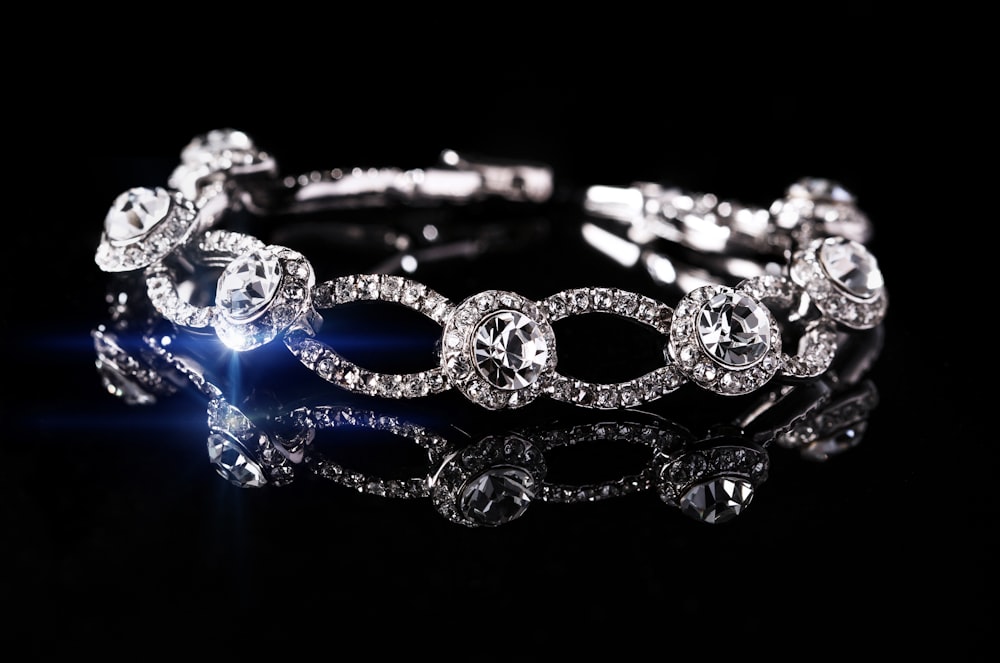
Scientific Approaches to Jewelry Maintenance
Proper jewelry care is not merely about maintaining aesthetics; it is an exercise in applied chemistry and structural preservation. When we analyze premature jewelry failure, the vast majority of issues stem from improper cleaning protocols, environmental exposure, and physical neglect. Different metals and gemstones react violently to specific household chemicals. Understanding the distinct properties of your pieces—from the porosity of pearls to the chemical sensitivity of alloys—is essential to preventing irreversible damage.
Cleaning Protocols by Material
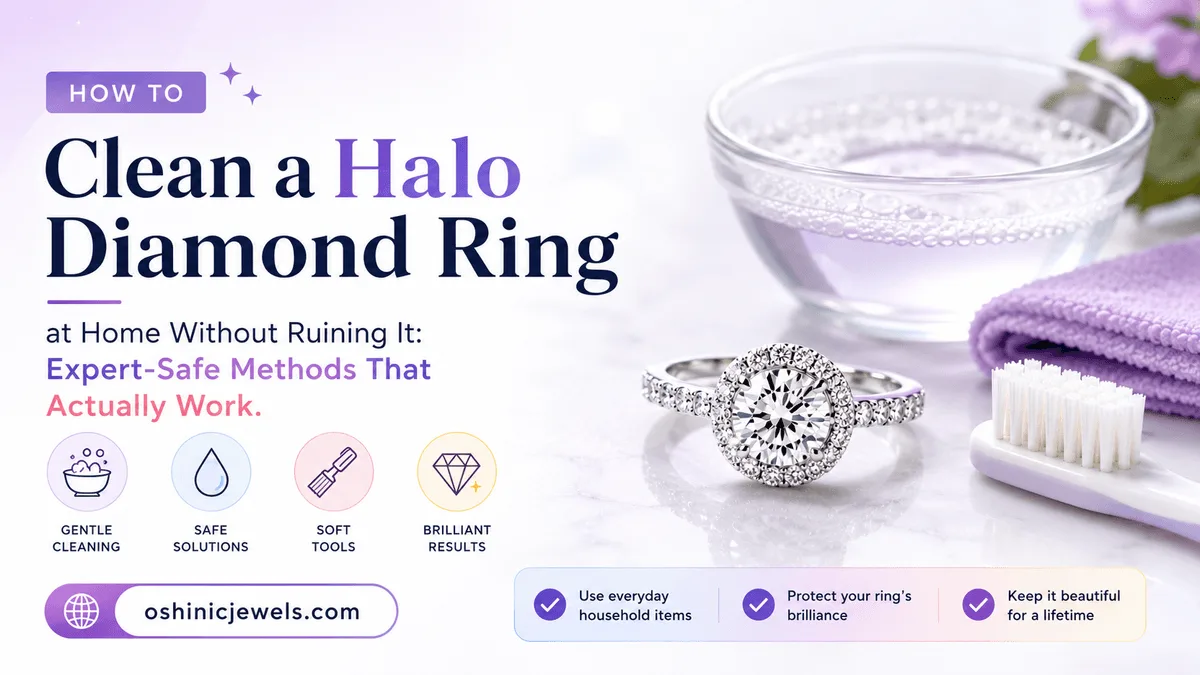
We strongly advocate for material-specific cleaning routines. Diamonds and sapphires possess dense crystalline structures that safely tolerate ultrasonic cleaners and mild ammonia solutions. However, we warn explicitly against subjecting softer or treated stones—such as emeralds, opals, turquoise, and pearls—to ultrasonic cavitation or harsh solvents. These porous materials can shatter, dry out, or suffer severe color alteration. For halo settings with delicate micropavé work, aggressive scrubbing can easily dislodge the tiny prongs securing the accent diamonds. We recommend a conservative baseline of warm water, gentle dish soap, and an ultra-soft toothbrush for most maintenance.
Storage and Travel Mechanics
Physical friction is the enemy of polished metals. We observe that improper storage causes as much damage as daily wear. Diamonds, ranking 10 on the Mohs scale, will aggressively scratch any adjacent gold or silver pieces, and even other gemstones, if allowed to rub against them in a drawer. Quality jewelry boxes with individual, fabric-lined compartments are a structural necessity, not a luxury. When traveling, we advise against keeping jewelry in checked luggage due to theft risks. Specialized travel rolls that isolate chains to prevent knotting and secure rings individually are mandatory for preserving piece integrity on the road.
Allergies and Wear Patterns
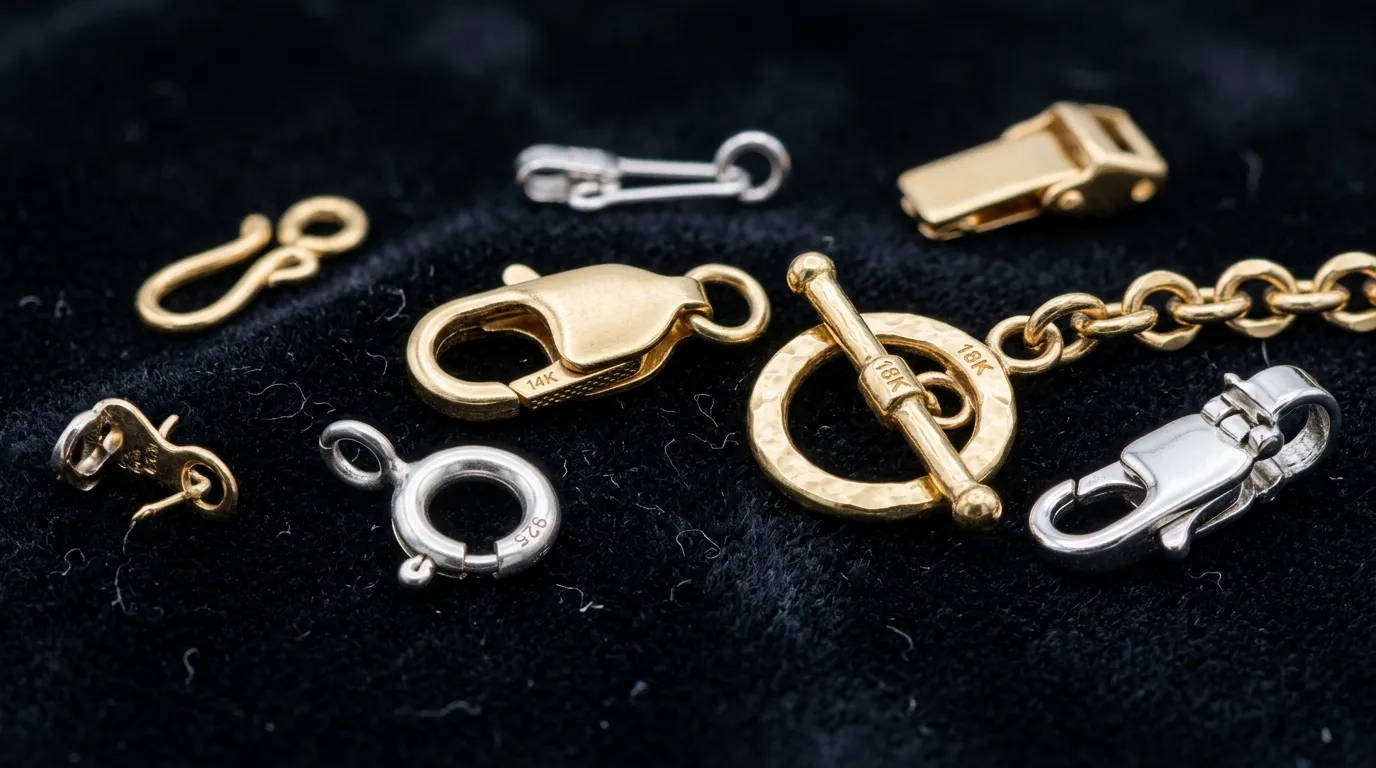
We view metal allergies as a serious biocompatibility issue. The primary culprit for contact dermatitis is nickel, a common base metal historically used to bleach yellow gold into white gold, and frequently found in cheap costume jewelry. We educate buyers on identifying nickel-free alloys and recognizing the signs of plating wear that expose reactive base metals. Furthermore, we emphasize the importance of inspecting clasps, prongs, and hinges routinely. Catching a worn prong early prevents the catastrophic loss of a center stone, saving immense emotional and financial cost.