Understanding Gold Jewelry Standards
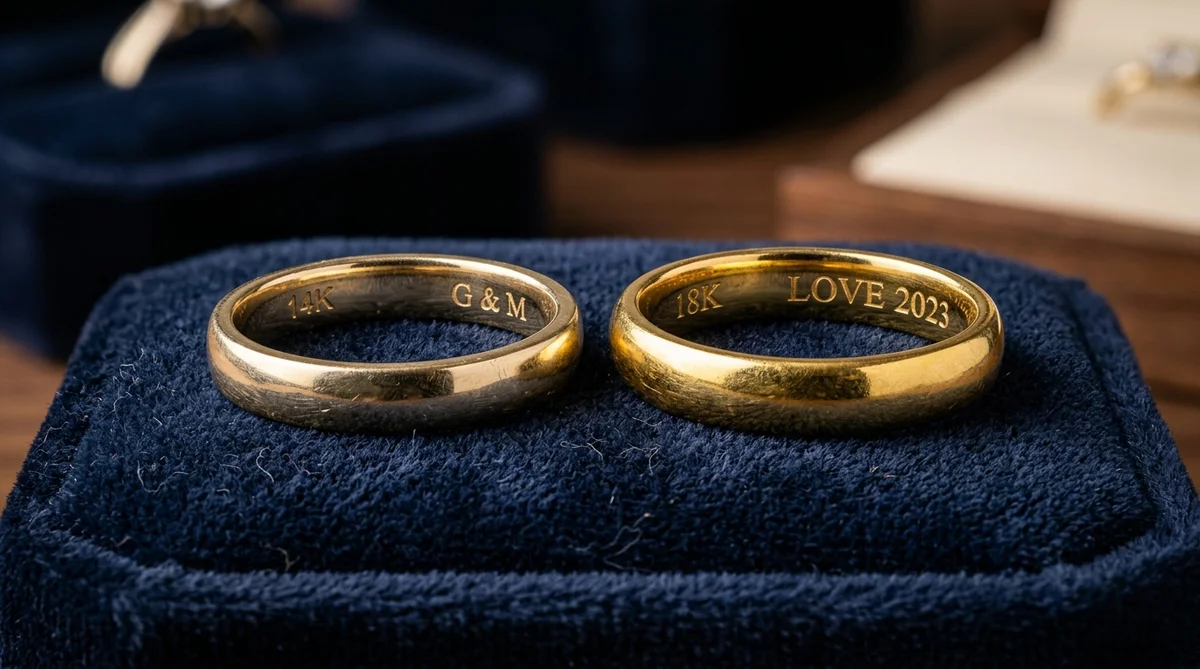
Gold has defined human adornment for millennia, but modern buying requires technical knowledge beyond simple aesthetics. When we analyze gold pieces, we look directly at the alloy composition, karat weight, and fabrication methods. The industry standard 24-karat gold represents 99.9% purity, but its extreme malleability makes it unsuitable for everyday wear. Instead, jewelers alloy pure gold with metals like copper, silver, and zinc to create durable 14k (58.3% gold) and 18k (75.0% gold) pieces.
Karat Comparisons and Durability
Our analysis of 14k versus 18k gold reveals distinct performance differences. 14k gold offers superior resistance to scratching and bending, making it the practical choice for active lifestyles and men's heavy bracelets. 18k gold delivers a richer, warmer yellow hue and higher hypoallergenic properties due to fewer base metals, ideal for fine jewelry and sensitive skin. When evaluating white gold, buyers must account for rhodium plating—a necessary maintenance factor to prevent the natural yellowish undertone from emerging over time. Rose gold achieves its distinctive pink cast through higher copper concentrations, typically 22.25% in 18k alloys, providing exceptional durability.
Plating, Vermeil, and Solid Gold
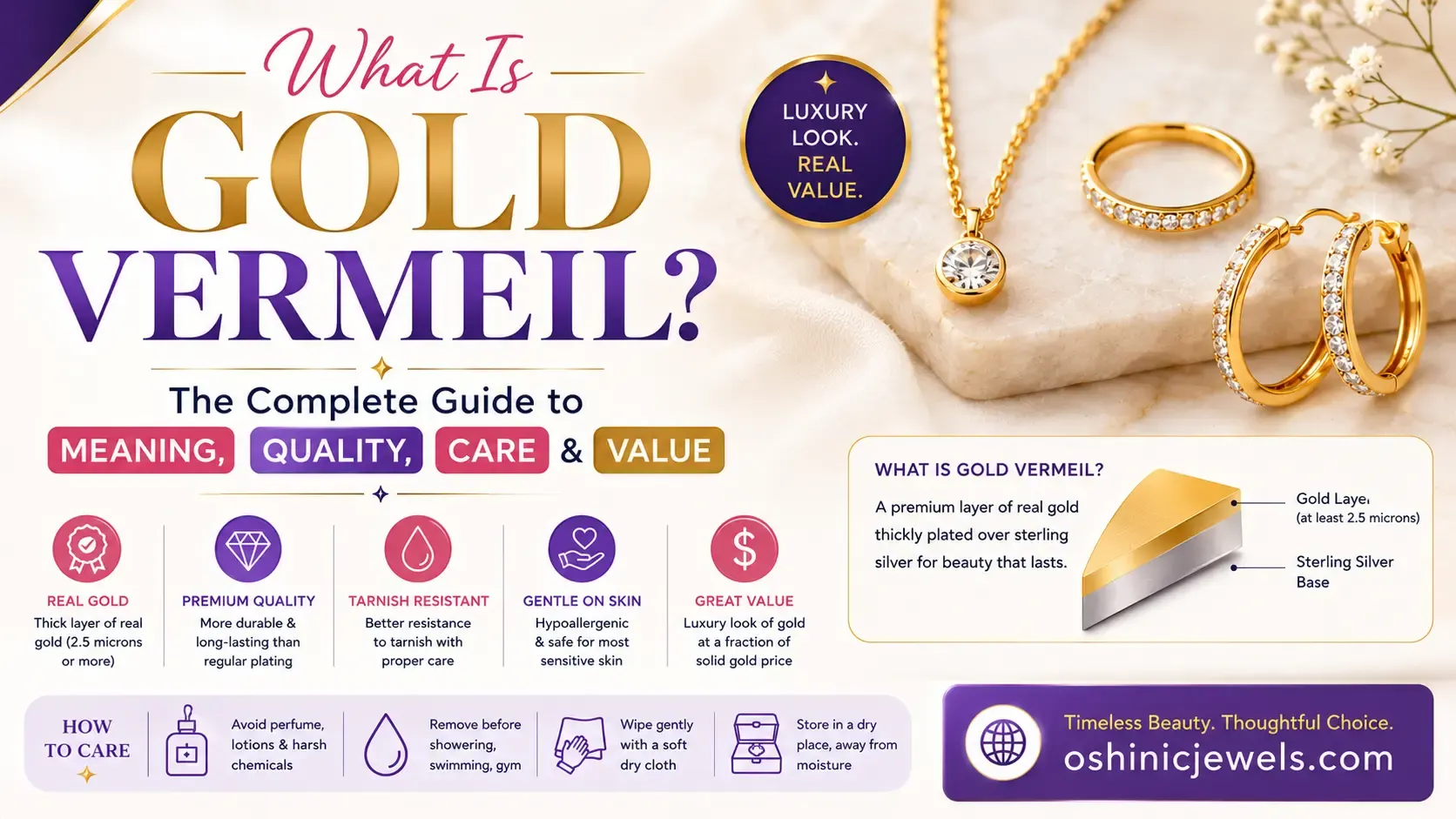
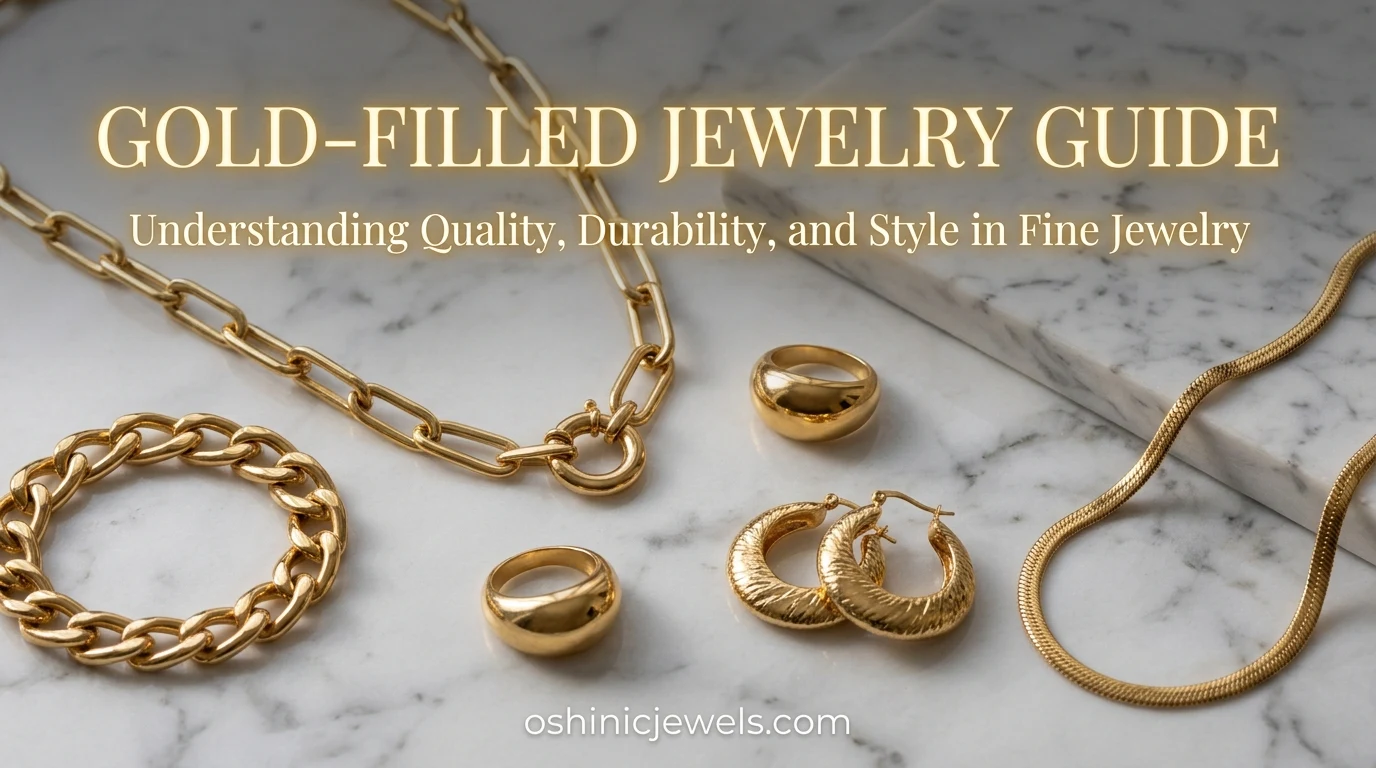
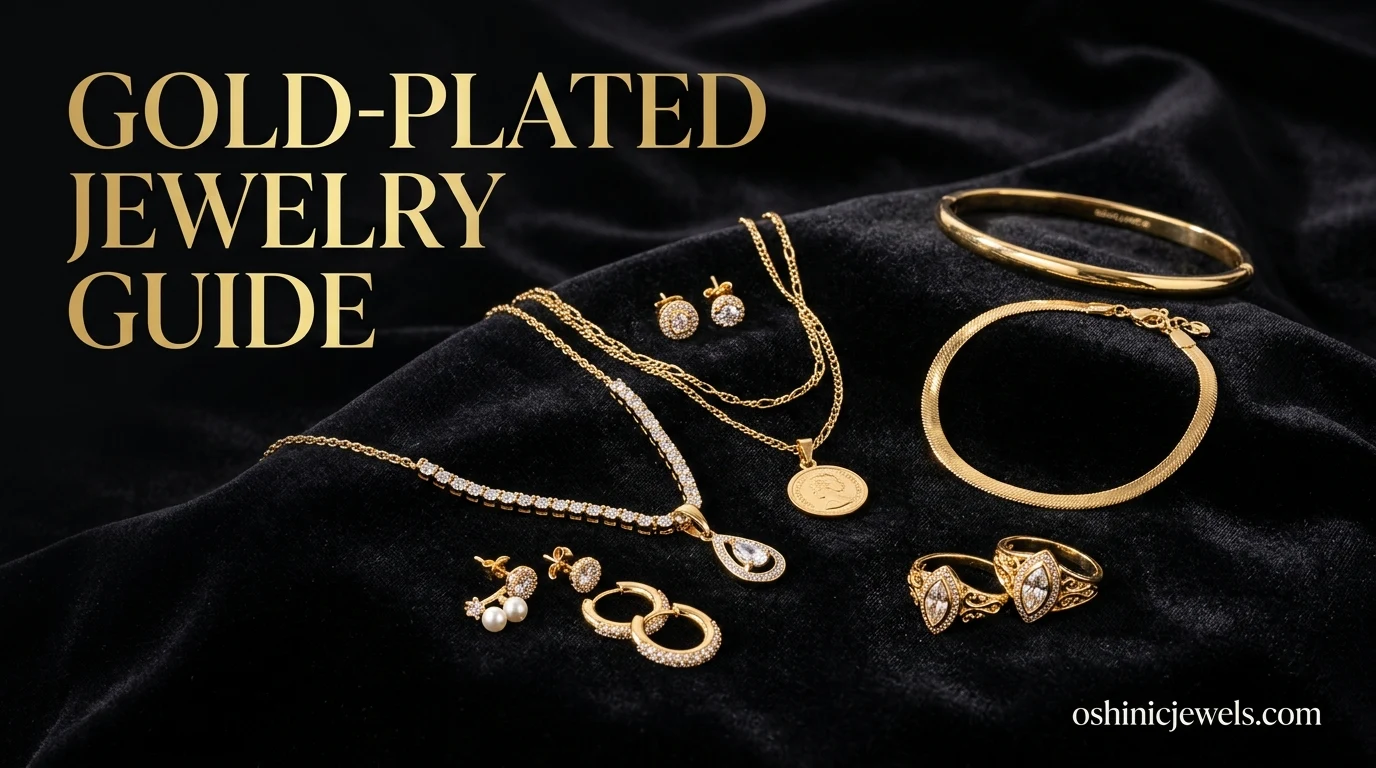
We see significant confusion in the market regarding gold vermeil, gold-filled, and solid gold. The US Federal Trade Commission (FTC) mandates that true gold vermeil must feature a sterling silver base coated with at least 2.5 microns of gold measuring 10 karats or higher. This heavily differentiates vermeil from standard gold plating, which often uses a brass base and a microscopic gold layer (0.17 to 0.25 microns) that wears away rapidly. Gold-filled jewelry bonds a thicker layer of gold (at least 5% of the item's total weight) to a base metal core through heat and pressure. However, solid gold remains the only truly generational investment, maintaining its integrity and intrinsic value indefinitely.
Making Informed Purchases
When investing in gold jewelry, examine the hallmark stamps—585 indicates 14k, while 750 denotes 18k. Assess the piece's weight; substantial gold should feel dense. Hollow chains and rings offer accessible price points but present severe denting risks and are often impossible to repair. We recommend solid construction for everyday pieces. Our guides dissect these structural realities, ensuring you understand exactly what alloy, construction method, and maintenance requirements you are purchasing before you commit to a piece.